If the flamingos had real vanilla aroma, they would cost more than twenty euros
The aroma of vanilla comes from the drying and fermentation process of the fruit of a type of orchid, and all of it is a species that has a price of 500 euros per kilo
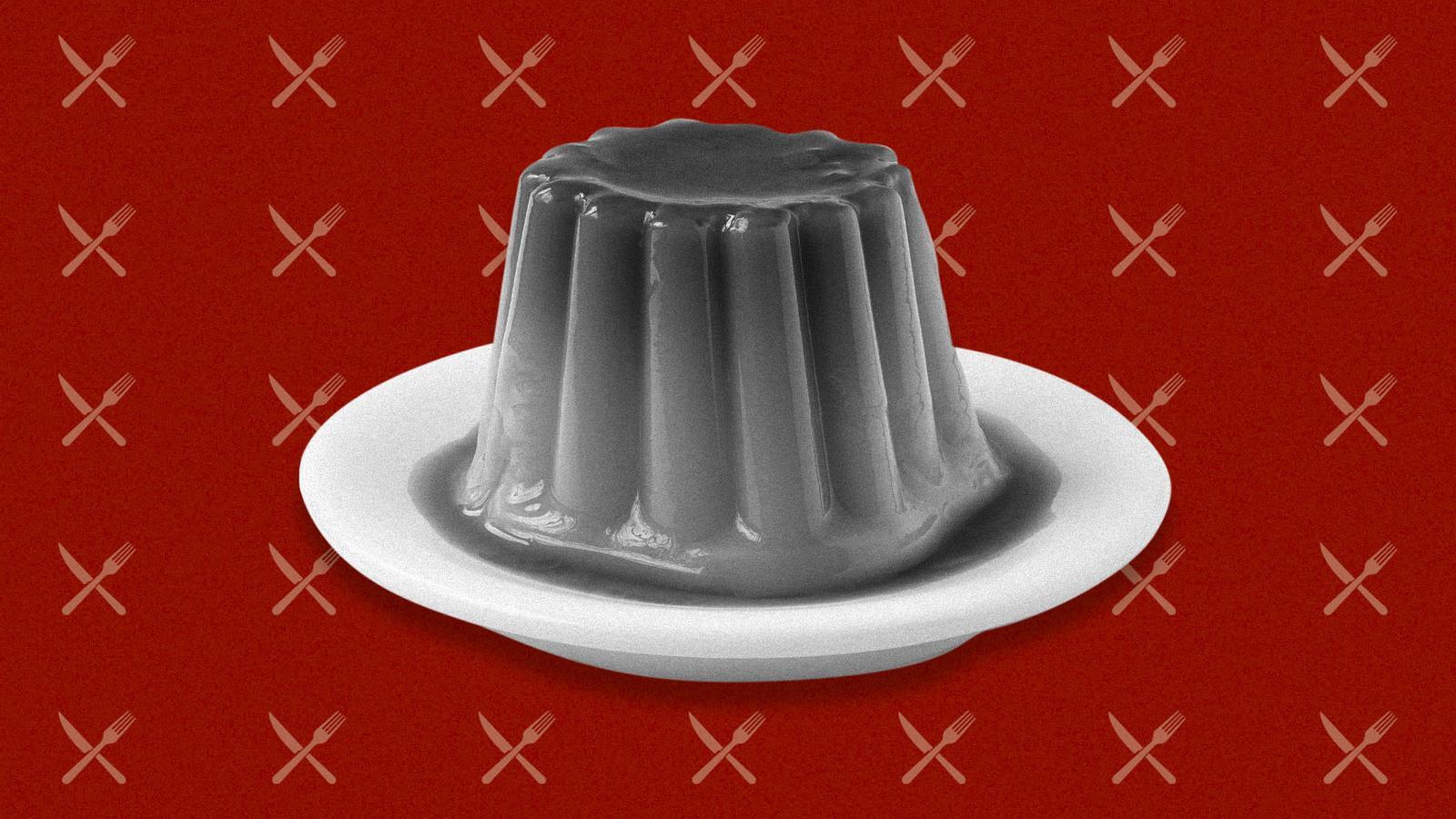

The flavor that we all people in the world like the most is vanilla, according to the scientific journal "Current Biology". As the industry is aware of this, it uses it for custards, ice creams, infusions, and much more. Vanilla seems to be infinite, but it's not possible to use so much of it, because it's one of the most expensive spices in the world. "Its pollination is practically manual; cultivation is slow and production is very vulnerable to droughts, cyclones, and market fluctuations, so its price can be 500 euros per kilo", says dietitian-nutritionist Anna Grífols, who adds that vanilla comes exactly from an orchid, generally Vanilla planifolia". "Its pods don't smell when they are picked, but, on the other hand, when they are cured and fermented, they do, and this smell can last for months", she comments.
So if we bought some vanilla-flavored custards for real, it would be impossible for them to cost us two euros. They would have to be much more expensive. How does the industry do it? "With synthetic vanilla; chemically it is identical, and our body will have a very hard time distinguishing if it comes from an orchid or from an industrial process", says the dietitian-nutritionist.
It could also be that some foods are enriched with natural vanilla flavor, which would mean that the aromatic compounds would have been obtained from natural sources, "although not necessarily from the vanilla pod". And the industry can do this because "European legislation clearly differentiates between "vanilla extract", "natural vanilla flavor", and simply "flavor", which then can be of synthetic origin", says Grífols.
Now let's go to the custards. Let's take the pack of four, and look for the list of ingredients. In most of them you will find these three expressions: flavor, natural flavor, or natural vanilla flavor". If you find any custard that says authentic vanilla extract, you will also notice the price, which will then surely have two digits. Can you imagine paying 20 euros for four custards? Probably that's what they would cost, or even more, if it were authentic vanilla.
Flavor without any E assigned to the label
The synthetic aroma we are talking about is not a food additive, therefore, "it has no E assigned, because the letters E only identify authorized additives such as colorings, preservatives or antioxidants", says Grífols. For their part, aromas are regulated by different legislation and must simply be indicated on the label as "aroma", "natural flavouring" or "vanilla extract", depending on their origin. In fact, "the quantities of flavourings used for food are very small and, according to the safety assessments of the European Food Safety Authority (EFSA), they have a very high safety profile at usual consumption doses", states Anna Grífols.
So, the issue is not that vanilla flans are not good, but that we should know that they do not contain authentic vanilla, but synthetic, made in a laboratory by an industrial process. If we ever eat a real one, we will know by the high price. In this case, the request that should be made to the food industry is that in all foods with a vanilla flavour, including infusions, it should be specified on the label that it is a synthetic flavouring.
