Abascal vs. Wild, imaginary combat
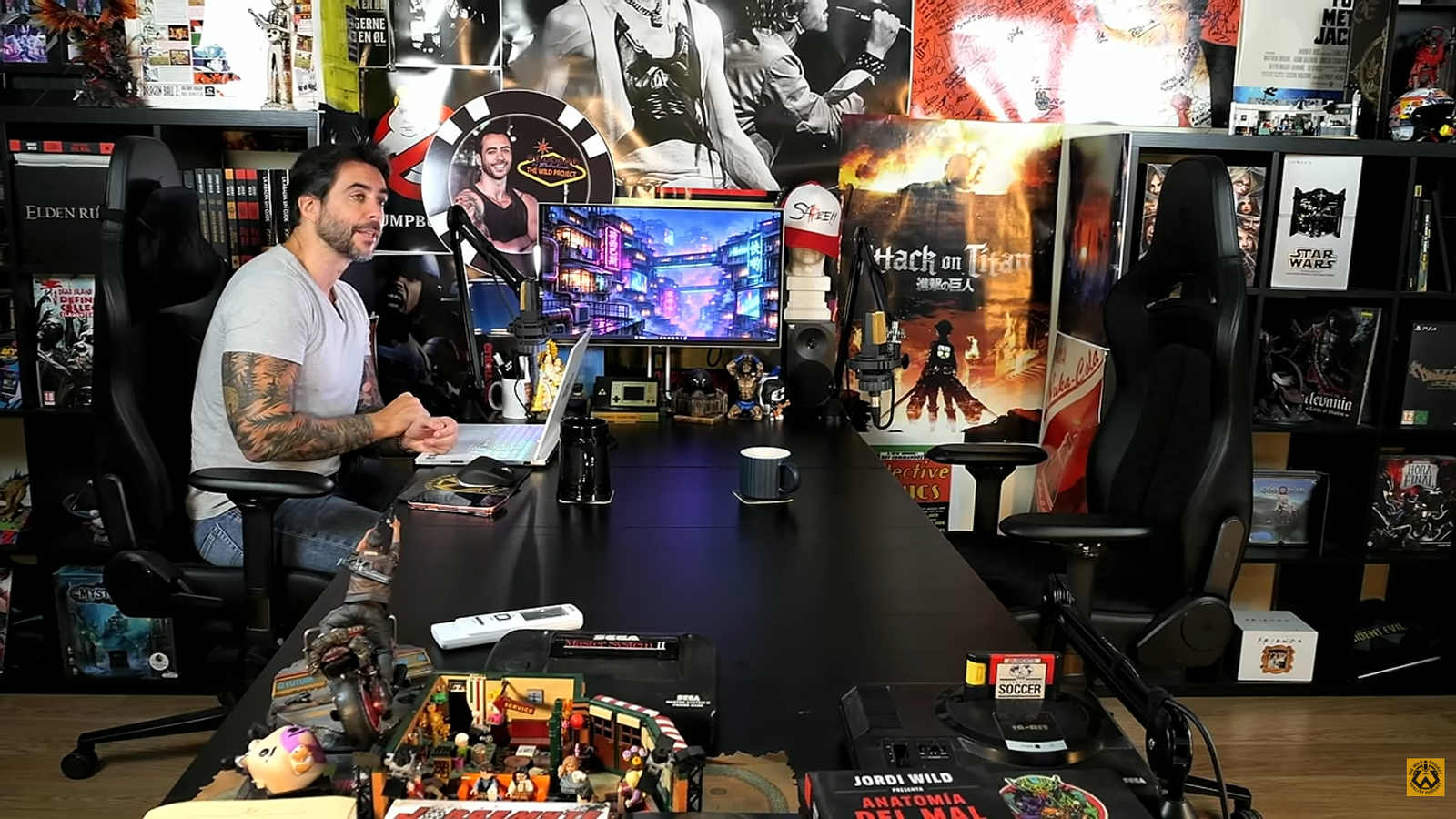
Does it make sense to think that a medium consumed by 0.001% of the population (and perhaps I am exaggerating) possesses considerable influence? The scientific journal with the highest impact factor in the world specializing in urology is European Urology. It leads all international bibliometric rankings in this specialty by a significant margin. I confess I had no idea: I found out at Google when I was looking for a curious example to write an introduction to this article. I also admit that until last week I had never, not even once, heard of Jordi Wild. They say he has seven million subscribers on YouTube. Does this mean that European Urology has practically no influence on society while the channels of such a Wild could overturn electoral expectations in the Spanish state? I don't think so. In social terms, the influence of this medical journal may seem very small, but within its specialty, it is extremely high; in Wild's virtual spaces, on the other hand, crowds gather, but it is doubtful that in the next elections his voice will be, as some opine, so decisive. He is listened to by people who, in general, do not vote or vote little (the peak of abstentionism inhabits the age range between 20 and 24 years old, which is more or less his target) or who simply cannot vote, whether because they are minors or because they live in Latin American countries (half of them, more or less). More than 80% are men. By the way, where I said “urology” you can put any other academic specialty –medical or not–, and you can also replace the name of said Jordi Wild, if you feel like it, with the first well-known influencer that comes to mind. What interests me is something else: who shapes public opinion?
The obsession of rulers with gauging the mood of the people is ancient (those stories about princes who would disguise themselves as beggars to see the common people up close, etc.). In the Ancien Régime, however, there was no institutionalized CEO. In a somewhat more elaborate way, Napoleon tasked the Count of Lavalette, head of the French postal service, with choosing a dozen people to inform him monthly about the state of public opinion regarding government actions. It was an intuitive CEO, but seemingly functional. However, it is not until the establishment of democratic regimes that public opinion acquires political relevance and becomes a source of legitimacy for power, even though governments are formed at the ballot box and in parliaments. In the first liberal democracies, the right to vote was limited to a wealthy minority; the working classes were left out of the system. The arrival of mass society and universal suffrage –including the female vote, which came very late– changed the scene. Upon everyone becoming an active political subject, as well as a potential consumer, the need arose to methodically study people's behavior, whether for commercial reasons or to be able to manipulate them politically with greater ease. I dealt with all this in a book published in 2007 that I will not cite. Within mass culture and its current epiphany –social media– exists the illusion of freedom that the media generates. They function as much by what they say as by what they silence, although many people abstract from this little detail, and perhaps that is why some live in a fantasy world.
The rise, followed by the rapid decline, of influencers has further complicated this perception. I mean that the relevant question is not whether Jordi Wild influences the formation of public opinion, but what the characteristics are of those who are supposedly influenced by him. It seems to me that the very few readers of European Urology –or of the Revue de Métaphysique et de Morale, to provide an example from my guild: it has been published since 1893– generally have interesting incomes, social recognition, real capacity for influence, etc. I believe that is not the case for the millions of followers of Jordi Wild, and let it be noted that I say this with all due respect, without any added irony. In this sense, to think that this gentleman will practically change the history of Spain by means of podcasts is truly delusional. Before the Abascal affair, polls granted Vox a range of between 60 and 68 deputies. If they get fewer, it will mean that I am very wrong. If they get more, it will perhaps mean that influencers are good for changing trends in clothing or cosmetics... and little else. The spectacle of a bubble that bursts or deflates is always an instructive spectacle. Let us enjoy it.
