The essential restaurants of the Garrotxa for this autumn
From the most traditional volcanic cuisine to contemporary proposals, the region offers restaurants to combine an excursion through the volcanoes, the Fageda or the valleys with a good meal

-
CAT -
CAST
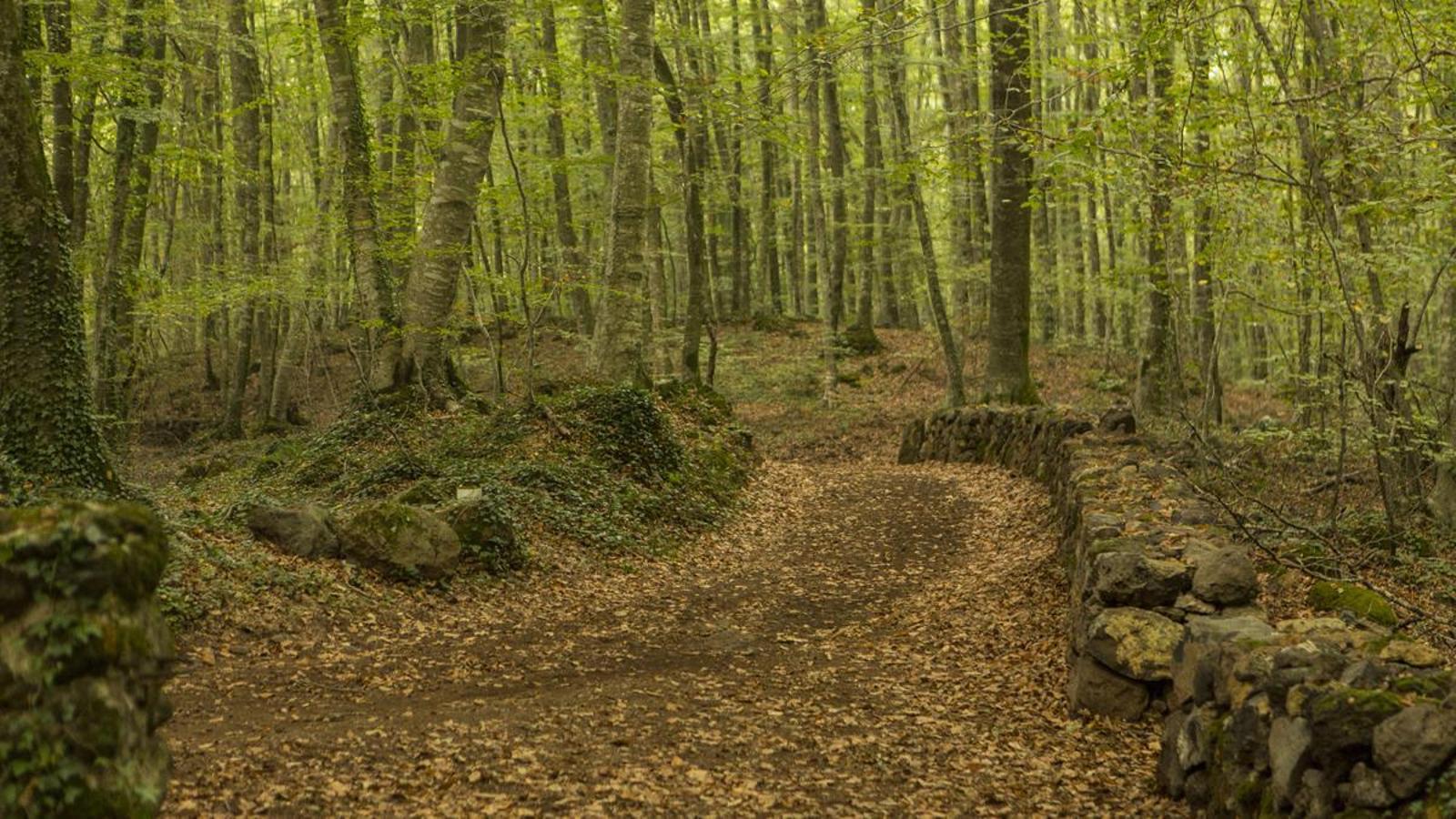
OlotAutumn is one of the most attractive times to discover the Garrotxa. The colors of the Fageda d'en Jordà, which Joan Maragall immortalized in one of his poems, the paths of the volcanic zone, charming villages like Santa Pau or Besalú, and postcard landscapes like those of the Vall d'en Bas or the Vall de Bianya make the region an especially suitable destination for a getaway. And, after walking, one of the best ways to end the day is to sit down at the table.
When talking about haute cuisine in the Garrotxa, there are two restaurants that stand out especially. These are Les Cols, in Olot, and Ca l'Enric, in the Vall de Bianya. They are indisputably the great names of Garrotxa gastronomy. But the region has a much wider and more diverse, and perhaps less well-known, range of restaurants. Autumn, moreover, brings to the plates some of the products most associated with mountain cuisine, such as mushrooms. Olot, Santa Pau, les Preses, the Vall d’en Bas, or the Vall de Bianya concentrate proposals for all kinds of tastes and occasions.

La Moixina, a classic amidst nature
To find truly traditional cuisine, you don't need to go very far. La Moixina is one of Olot's classics and is located in a natural setting that allows you to combine your meal with a walk. The restaurant opened in 1890 and currently offers updated traditional Catalan cuisine, based on local products and linked to the Cuina Volcànica collective. On the menu, you will find Olot potatoes stuffed with roasted meat and hummus made from local beans. And, for an autumn visit, fresh pasta with porcini and wild mushrooms in cream sauce, Mas Farró cheese, and crispy Can Mateu ham, which is part of the seasonal menu, is also a particularly good fit.
La Deu, a mandatory stop to taste the original Olot potatoes
There are dishes that have ended up becoming symbols of a territory. In La Garrotxa, one of the best known are the Olot potatoes, and La Deu is the restaurant most linked to their origin. The establishment, founded in 1885 and located in the landscapes of La Moixina, created the Bretxa potatoes in 1943, which over time would become the popular Olot potatoes. The origin of the dish is related to a lunch of the then mayor of Olot, Pere Bretcha, with the civil governor of Girona. Bretcha asked La Deu to prepare a different dish and the cook Maria Reixach prepared some potatoes stuffed with meat, inspired by some potatoes she had tasted in Mallorca. The dish was successful and for years it was known as Bretcha potatoes. La Deu's potatoes continue to be one of the house specialties and are currently presented as Bretxa potatoes or artisanal La Deu potatoes. The menu, however, goes beyond this dish and incorporates other proposals, such as the Vall beans with crumbled sausage.
Fifteen Eggs, seasonal product in les Preses
For a more contemporary proposal, Quinze Ous, in Les Preses, is committed to an uncomplicated cuisine based on the product and the season. The restaurant was born in 2017 and works with a menu that adapts to market availability. The proposal also emphasizes small producers and self-production. The restaurant makes its own bread and has a vegetable garden in Riudaura, from where part of the vegetables used in the kitchen come. It is an option to continue the gastronomic route towards Les Preses and the Vall d'en Bas before returning to Olot.
Malespina, a Japanese bar in an iconic location
But La Garrotxa does not live with its back to the world. Globalization has also reached its cuisine, even in a region with a gastronomic identity so deeply rooted in the territory. A good example is the Malespina, which is part of the Quinze Ous group and brings this more open perspective to the center of Olot. The restaurant opened in 2022 in a space with a lot of history in the city: the old Can Xalegre bar, pub, and hostel, a legendary establishment in Olot that for years was a meeting point for several generations and known for its "xampanillo," a carbonated wine that was served in old cava glasses. Today, that venue has swapped the carbonated wine for sake and the Japanese bar.
Malespina is a Japanese bar that combines Japanese technique and local produce, in a symbiosis that is unusual in the region. Led by Julio Valverde and Munts Soldevila, it has sushi and Japanese cuisine as the centerpieces of its proposal. The cooking starts from Japanese tradition, but incorporates zero-kilometer products from La Garrotxa and the Costa Brava. The menu includes sushi, nigiris, sashimis, and hot dishes. A demonstration of how a gastronomy deeply linked to the landscape and its own recipe book can also incorporate outside influences without losing the bond with the territory. The Japanese gyoza with botifarra sausage, snails, and ratafia kabayaki, for example, are a combination that brings some of the most recognizable flavors of the region to a Japanese preparation.
La Quinta Justa, volcanic cuisine in the center of Olot
La Quinta Justa is an alternative for those who wish to discover Volcanic Cuisine without leaving the center of Olot. Located on the emblematic Passeig de Barcelona, the restaurant combines traditional Catalan cuisine with elements from the Garrotxa, Mediterranean influence, and local products. Its volcanic journey menu proposes a tour of some of the most characteristic products of the region, such as Santa Pau beans, Batet de la Serra buckwheat, mushrooms, and the Olot potato. It is an option for those who want to spend the day in the capital of the region and combine a visit to the city center with a meal of local cuisine.
Can Guix, the traditional inn
In the heart of Olot, right next to the municipal market, Can Guix is one of those inns that seem to have remained on the sidelines of the passage of time. Managed by the Parerols family for more than four decades, the restaurant maintains home-style, traditional Catalan cuisine, without concessions to trends or sophistication. Fork breakfasts are one of its distinctive features, with dishes such as beans with bacon, head and foot stew, or steak with potatoes. The cuttlefish longuet cannot be missing either. The menu also maintains lifelong dishes, such as beans with crumbled sausage, meatballs, or head and foot stew, while the daily menu continues to be one of the gateways to this inn-style cuisine. Can Guix is, in this sense, more than a restaurant: it is a piece of Olot's gastronomic memory, a place where you can still eat like in the old days and where the cooking continues to have more importance than any trend.
Hostal del Sol, bread with tomato and cured meats from La Garrotxa
For those looking for authentic, traditional cuisine, rustic and linked to the territory, at the exit of Olot in the direction of Ripoll, Hostal del Sol is a lifelong restaurant that maintains a simple proposal closely linked to the region's produce. Its specialty is the board of cured meats and cheeses from small producers in the Garrotxa and its surroundings, all accompanied by bread with tomato. The rustic bread and the coca bread are from Forn la Fogaina. The menu is completed with garden salads and fondues made with cheeses from the region. It is one of those stops where the charm is not to look for sophisticated cuisine, but to sit at the table and eat some of the simplest and most typical products of Garrotxa gastronomy.
B-CREK, informal cuisine and grill with local products
For a more informal proposal, B-CREK has two establishments in Olot. The premises in Plaça Josep Clarà, the first one opened by the brand in 2001, specializes in sandwiches, burgers, mixed platters, and salads. At B-CREK Solfa, opened in 2006, the proposal revolves more around the grill and an extensive menu with local products. At the Solfa location, situated at the entrance to the city, the grill is one of the specialties, with a selection of meats from La Garrotxa, but the menu also includes local dishes, salads, pasta, burgers, pizzas with coca bread, and toasts. Another option without giving up local products and with a menu broad enough to go with both family and friends.
El Celler, more than 60 little boats after a movie
Right next to the Olot cinemas, El Celler is an informal option to end the night eating something without much fuss. The establishment specializes in 'barquetes' (montaditos) and has more than sixty varieties, both cold and hot, which are replenished at the bar. The system is similar to a buffet: you take a plate and help yourself to as many as you want, as many times as you like. At the end, you just need to take the toothpicks to the bar so they can count them and give you the bill. An alternative for finishing an autumn afternoon in Olot: a movie, a few 'barquetes', and letting the toothpicks do the math.
Hostal dels Ossos, traditional cuisine right next to the Fageda
La Fageda d’en Jordà is one of the great destinations in La Garrotxa during the autumn. And, after walking among beech trees, volcanoes, and dirt paths, a good plan is to end up at the table. The Hostal dels Ossos is one of the traditional options in the area. Its cuisine is also closely linked to the region's recipe book, with dishes such as Santa Pau beans with crumbled sausage and mushrooms, pig's trotters with snails, veal with mushrooms, or grandma's macaroni.
Snails are one of the house specialties and even have a presence in the restaurant's decor, with a house made of snail shells that presides over one of the spaces. Grandma's macaroni is another of the iconic dishes: a recipe of tomato sauce, onion, soffritto, and minced meat that the third generation keeps practically intact.
But the Hostal dels Ossos also has a history that goes beyond the kitchen. Over the years, artists and figures linked to the world of culture have passed through it, but it is the figure of Xavier Cugat that has left the most visible mark on the restaurant. The musician and artist frequented the establishment and left several drawings and illustrations that still decorate the walls of one of the dining rooms today. A footprint that, like its cuisine, explains the history of a restaurant that has managed to remain rooted in La Garrotxa for half a century.
