The new generation of merchants that stands up to the giants of the sector
Young entrepreneurs bet on creating ties with a community of more loyal customers in the face of the pressure of rents and the competition of large platforms

-
CAT -
CAST
- New entrepreneurs are forced to adapt to increasingly ephemeral trends
- Young people place special emphasis on the importance of creating “a community” to succeed
- The sector demands more support from the administration and a firm commitment to a city model
Traditional retail is going through a delicate moment. Whether due to a lack of succession, price pressure, or fierce competition from large online sales platforms, establishments that could be considered "lifelong" shops are closing their shutters. According to data collected by the ACN based on municipal censuses of commercial premises, Barcelona has lost one in every four haberdasheries and drugstores between 2016 and 2024, a cutback that has also occurred similarly in food businesses such as fishmongers. The concern for the possible loss of neighborhood identity exists, and several associations are calling for a national debate to defend a business model that continues to place local commerce at the center of life in urban and rural hubs. Despite the difficulties, a new generation of young people is stubbornly rising up in the face of this complex environment, reclaiming commerce as a sector for building a professional career while moving towards a more cohesive city model.
“Retail has always had its delicate moments [...] the challenges are similar, but over time new ones have been added and the solutions are even more complicated,” comments the director of Culture, Retail, and Tourism of the Barcelona Chamber of Commerce, Agustí Filomeno. According to this expert, generational transfer, rising rents, the shift towards service provision –to the detriment of physical product sales– and the appearance of giants like Amazon, Temu, or Shein have strained a sector with increasingly narrow margins.
But far from those young people who only see commerce as a first job, the entrepreneurial spirit remains alive. Against all odds, some have managed to take the helm of projects where new blood was needed, and others have taken the plunge, starting practically from scratch. One of these examples is that of the current general manager of the chain specializing in cinnamon rolls and cookies Demasié, Oriol Escursell. His family accumulates five generations linked to the world of pastry, although it was his father and his uncle who founded the well-known brand that today has 15 points of sale spread across Catalonia, Madrid, and Andorra.
In an interview with ARA, Escursell acknowledges the current difficulties that take away “attractiveness” from the sector, while also recalling the “vocational” component that still accompanies it. But beyond taking the step forward to lead a project, he also mentions the difficulties involved in day-to-day management. “Trends change much faster than before, and adapting is difficult,” he acknowledges. However, he values the responsiveness of the new generations and shares the method that has worked best for him: maintaining ambition, Escursell has decided to bet on the points of sale that really work and move a part of his sales to new specialized establishments or supermarkets, diversifying sales models.
Growing in the fashion sector
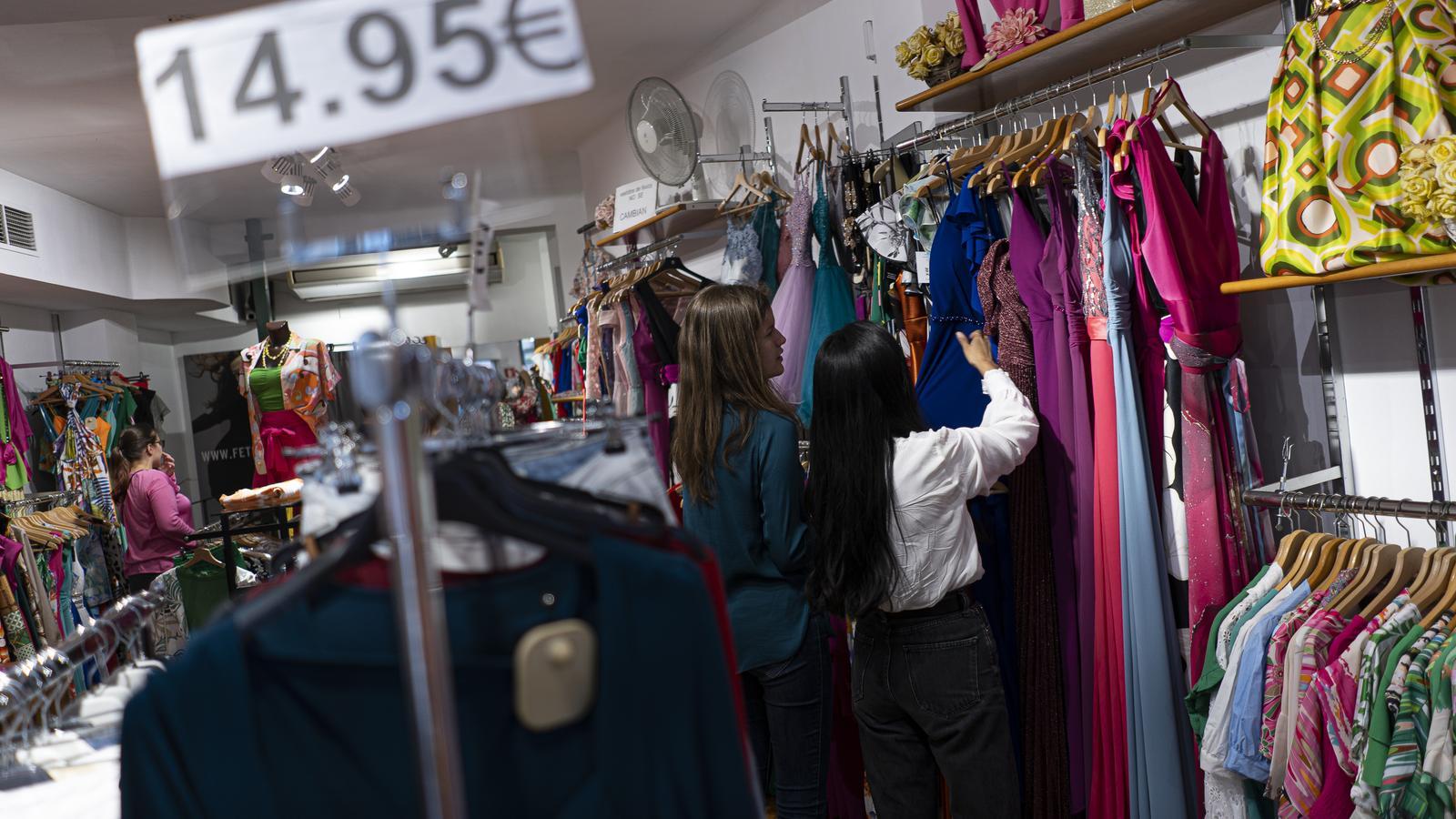
Liquidations in more traditional businesses linked to clothing and footwear have been on the rise during the last few years. But starting a business in this field is also possible, as demonstrated by the founder of Patri’s Closet, Patricia Pueyo. Taking the example of her mother, at the beginning of 2024 she inaugurated her fashion store at the Mercat del Ninot in Barcelona. Despite the difficulties she encountered at the beginning – she felt that she lacked “guidance” and that the administration “did not make things easy” – Pueyo believes she has hit the right note that has allowed her to succeed.
“The key is the community,” she explains, placing special emphasis on the loyalty with which the residents of the neighborhood where it is located have responded to her. While she does not forget social media to reach new customers, she champions the importance of the physical location of the establishment and the personal interaction with buyers.
For the Chamber's representative, both Escursell and Pueyo are two examples of entrepreneurs who have known how to adapt to the new reality of commerce, without forgetting the social function that the sector plays. “The big difference lies in the need for hybridization; [...] the relevance of a business is achieved not only by being behind a counter, but also on social networks and at public events,” indicates Filomeno.
Be that as it may, those in the sector note that there is still a lack of resources to ensure generational change in commerce. From the promotion of portals and spaces where businesses looking for a transfer can find an intrepid interested party, to advisory programs for young entrepreneurs. At the end of the day, the voices consulted agree that commerce is also “a commitment to a city model” and its lifestyle.
