The intrepid Catalan journalist who deserves a movie
Quaderns Crema publishes an expanded version of the essential 'The Fascination of Journalism', by Glòria Santa Maria and Pilar Tur

-
CAT -
CAST
- Irene PoloQuaderns CremaEdition by Glòria Santa Maria and Pilar Tur436 pages / 24 euros
Anyone who had the opportunity to see the monologue performed at the Teatre Gaudí titled Coses que només saps quan estàs morta, already knows perfectly well who Irene Polo (Barcelona, 1908 - Buenos Aires, 1942) is, the most daring journalist in Catalonia during the Second Republic and one of the key figures of that generation of female writers who brought a renewed perspective to both the press and literature. It so happens that Francesc Salgado, author of the monologue, is also publishing her complete journalism in Renacimiento, and we already have the first volume, Una intrusa en la prensa. Periodismo y república (1927-1931).
Polo was an exotic flower in the Barcelona newsrooms and, at just 27 years old, was appointed editor-in-chief of the afternoon newspaper Última Hora. In a normal country, a film would have already been made of her story. Daughter of a sergeant and a seamstress, when she was born her parents were not yet married. To make matters worse, she had to start working very early to support her mother and two younger sisters because her father was a scoundrel. She was also a lesbian and was fond of Greta Garbo “with delirium”.
Intuition, talent, and tenacity made her a well-known name in journalism in those years. Also her uniqueness as a young, carefree woman, responsible for texts marked by naturalness and commitment. She started working in the advertising department of the film production company Gaumont, while the journalist María Luz Morales was doing film criticism in La Vanguardia, and she worked for the first time as an unsigned journalist. She then moved through a handful of publications and established herself in innovative journalism. In 1936, before the outbreak of the Civil War, she traveled to America with Margarida Xirgu's theater company. And in Argentina, she took her own life before she had turned 40.
Erased from collective memory by the amnesiac Franco regime, she was resurrected in 2003 thanks to La fascinación del periodismo. Crónicas (1930-1936), edited by Glòria Santa Maria and Pilar Tur. Quaderns Crema is now reissuing the volume in a version that is 150 pages longer. New compared to the previous edition, we find articles in Spanish that appeared in Las Noticias, Mirador, and Mundo Gráfico, as well as a larger number of pieces published in publications such as L’Opinió and L’Instant.
Polo's Unruly Gaze
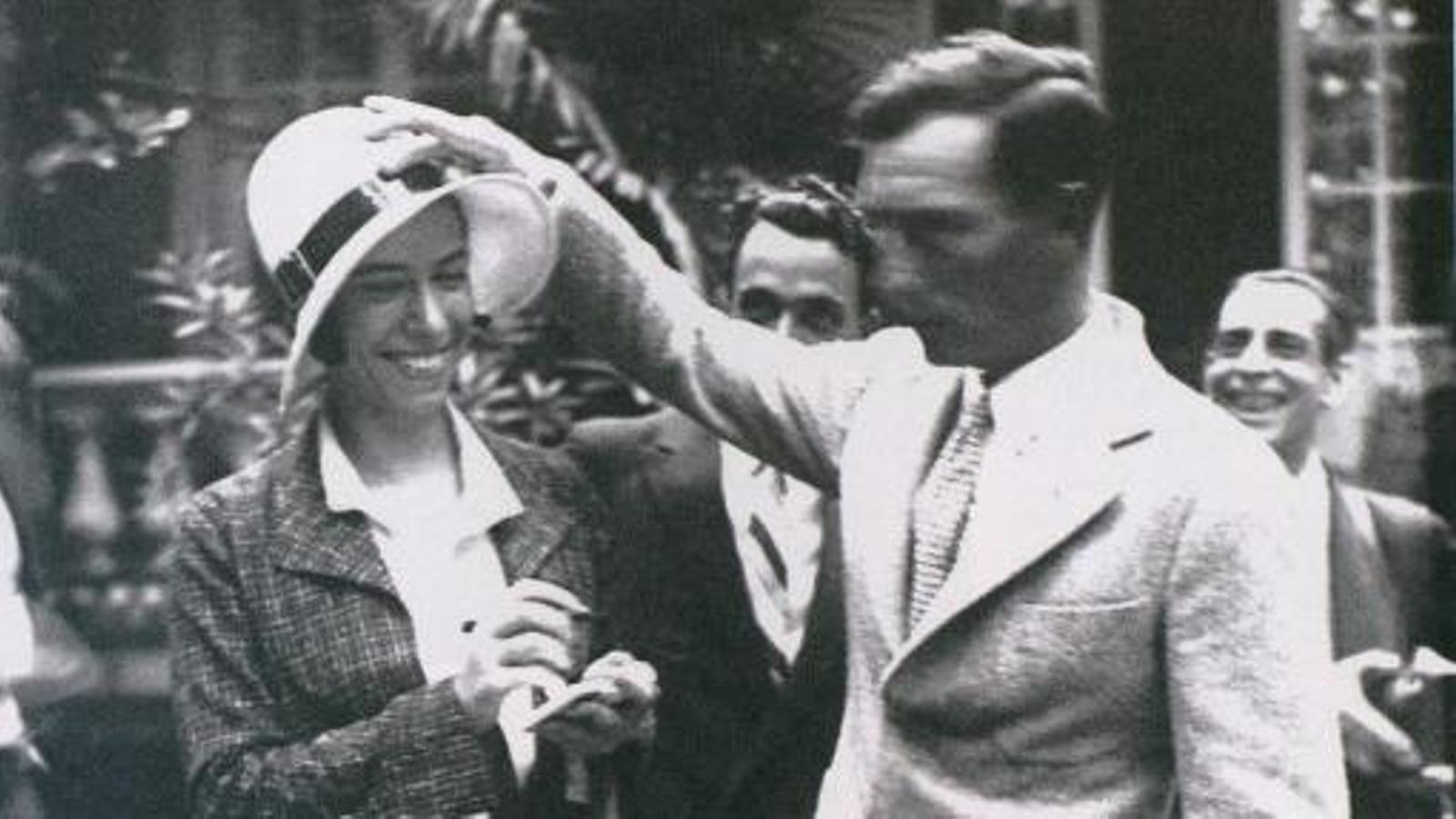
The chronicles of Irene Polo convey composure. They are brave, direct, incisive. They are also extremely entertaining, because Polo's pen is as dynamic as the “dancing teas” of the era. She wrote about the most important and the most humble, like beggars. Famous is the report in which she accompanies Buster Keaton to bathe in Sitges. Also the one in which she chases Francesc Cambó's Rolls-Royce to interview him. Other less known pieces, such as “An interview with Mephistopheles” or the interview with Clara Campoamor, whom Polo aptly calls the Spanish Pankhurst, are also very worthwhile.
We are faced with a book that offers us a disobedient look at a time of profound social changes, both in terms of laws and customs. During the Sallent miners' strike in 1933, Polo questions the people involved and listens attentively. And the following year she covers Companys' proclamation of the Catalan State, which caused such a stir. On the other hand, neither the CNT nor the FAI liked her poking her nose into certain matters, and that says a lot about Polo and her sense of freedom of opinion, which is threatened nowadays. The curators of The fascination of journalism are also authors of The American Years of Irene Polo (Cal Carré), a miscellaneous volume that illuminates the last stage of this intrepid journalist with a tragic end who, I insist, deserves a film.
