Duncan Jones presents in Sitges the British answer to Marvel
The director adapts 'Rogue Trooper' one of the great comics emerged from the mythical magazine '2000 AD'

-
CAT -
CAST
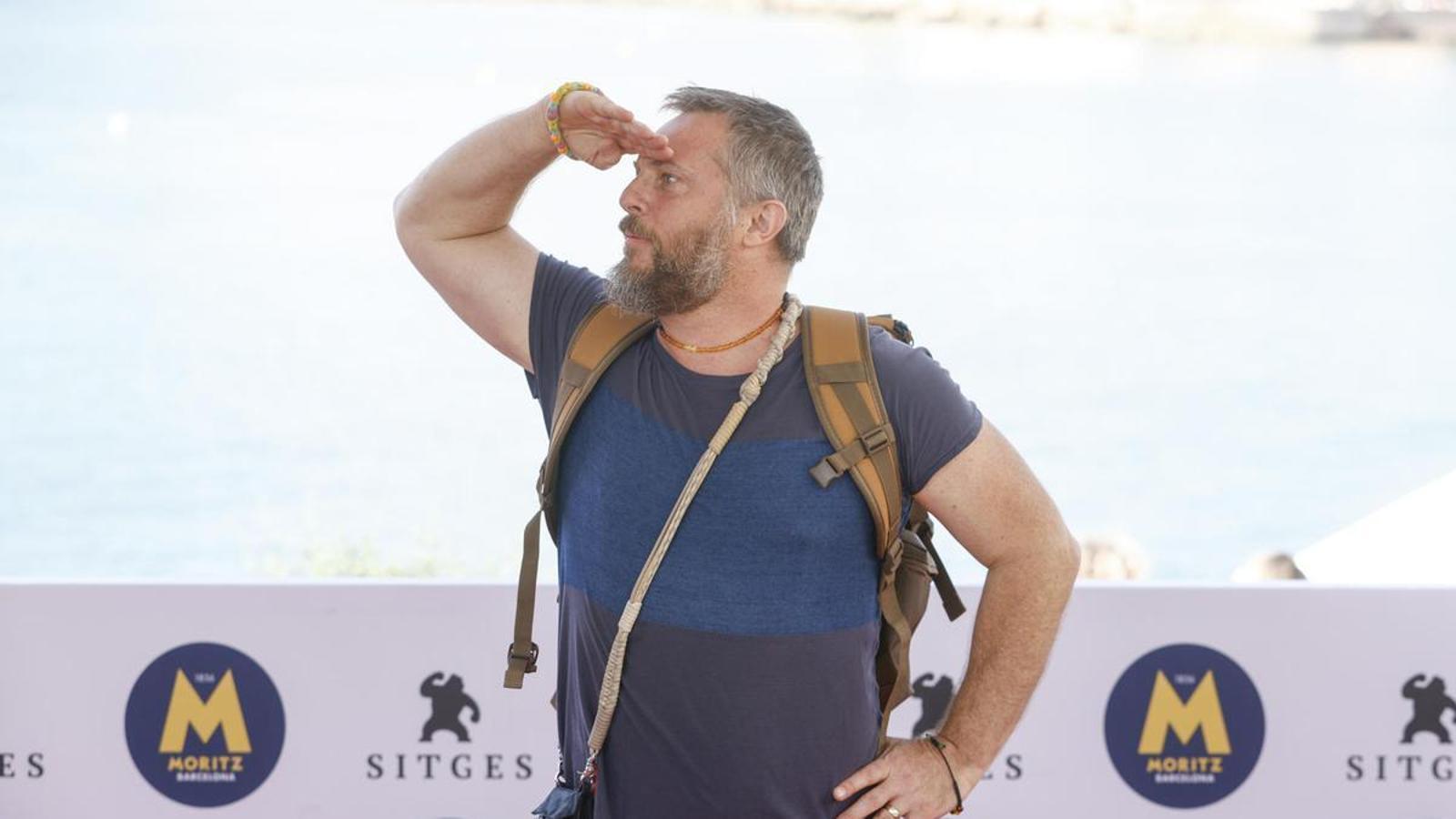
SitgesAs it enters its final stretch, the Sitges Festival welcomed this Friday one of its prodigal sons, Duncan Jones, the son of David Bowie who debuted as a director in 2009 with Moon and won the award for best film of the festival. “I am very happy to return to Sitges, it is an incredible festival,” exclaimed an euphoric Jones who was carrying a backpack, a nod to his new film: Rogue Trooper, his first fully animated feature, which brings to the cinema a great icon of British comics that emerged from the legendary talent pool of the magazine 2000 AD.
Created in 1981 by Dave Gibbons and Gerry Finley-Day, Rogue Trooper followed the war adventures of a genetically modified soldier fighting in an endless war on a distant planet that is contaminated and deadly for humans. The comic did not have the mean streak and subversive discourse of Judge Dredd, the star series of 2000 AD, but it did have enough punch to hook readers and entertain them with futuristic action and original ideas like that of the protagonist's three squad mates, who, through a chip, have been inscribed into the rifle, the helmet, and the backpack of Rogue Trooper.
The best thing about Jones's film is how it embraces the spirit of the original comics and their pulp nature. It is quite a statement of intent to open the film with the first panels of the character's initial story and decorate the end credits with covers and pages from the series. And with a mostly British artistic team, Rogue Trooper exudes a certain pride in reclaiming British popular culture without passing it through the filter of Hollywood's superhero blockbuster codes. In a way, the film is a response to Marvel and DC movies: "We can do it too".
There are elements that grate: the accumulation of action sequences with interchangeable choreography, the constant dialogue between the helmet, the rifle, and the backpack –sometimes it is complicated to know who is speaking– and, above all, the CGI aesthetic of the animation, which draws more from the anemic hyperrealism of motion capture and video games than from the imagination and personality of the 2000 AD artists. In any case, it is difficult not to feel sympathy for the lack of pretensions and the B-movie vibe of the film. Sitges was, effectively, the place to see it.
