The Empordà photographer who turns ephemeral instants into poetry
Alba Yruela, with a work marked by the intimate and spontaneous gaze on landscapes and daily life, exhibits for the first time at the prestigious Paris Photo event, from November 12 to 15
-
CAT -
CAST
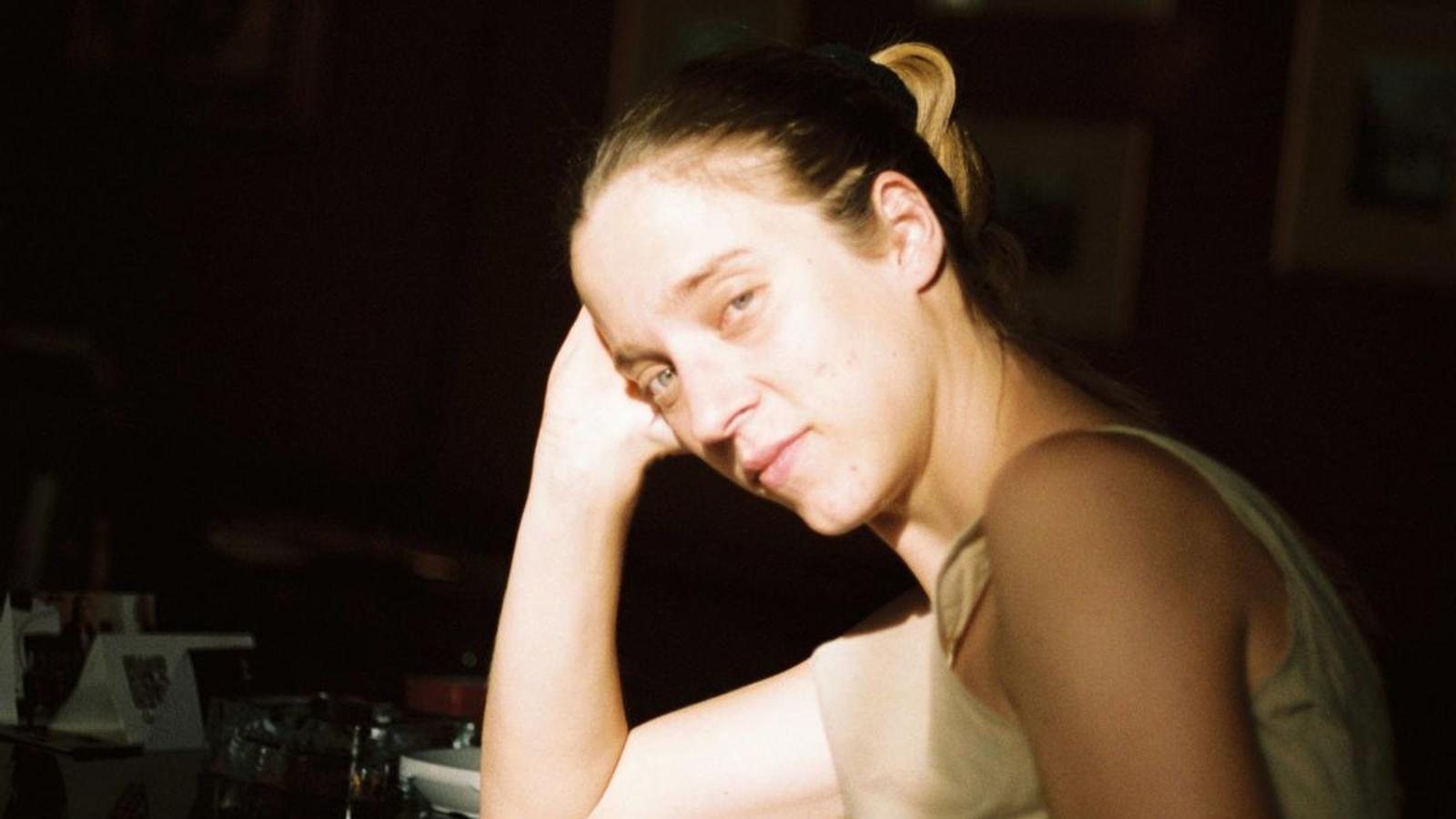
La Bisbal d'EmpordàAlba Yruela (la Bisbal d’Empordà, 1989) is one of the most interesting and promising voices in contemporary Catalan photography. This November, she will bring her work for the first time to the prestigious Paris Photo event, where, from November 12 to 15, she will exhibit in the halls of the imposing Grand Palais, alongside the best photographers in the world.
Born in the heart of theBaix Empordà, Yruela began as a self-taught artist in the art of capturing images, portraying friends, rooms, and landscapes of her surroundings. Since then, she has consolidated a photographic style of her own, with an intimate, delicate, and spontaneous gaze, loaded with sensitivity, beauty, and fragility. Currently, she works hand in hand with the Chiquita Room gallery, based in Barcelona and Brussels, and combines her artistic facet with commissions for renowned firms such as Loewe, Dior, or Carolina Herrera.
From the forests of La Bisbal to the beach of L'Estartit
The Empordà is an inseparable element of Alba Yruela's personal and artistic journey. It is the environment she has photographed the most, spending endless afternoons roaming the paths around la Bisbal, on slow walks, chatting with friends, and letting herself be carried away by whatever appeared along the way. Hers are not grand panoramas of the Empordà plain nor postcard-perfect frames of the most emblematic places, but rather fleeting moments and details of meadows, birds, insects, rivers, or beaches. “The passage of the seasons is what attracts me the most,” acknowledges Yruela. One of her most special places is the Pletera beach, in l'Estartit. When she began photographing it, at the beginning of the 2010s, there were still the remains of a construction that had been left half-finished during the 80s. “We were able to see how they removed the asphalt and how, over time, the wetlands gradually reclaimed the space until it became the landscape that exists today. It is the place where I meet with friends throughout the year,” she relates.
Some of the images of La Pletera appear within the recent publication CONVERSA II, where Yruela continues, together with the Torroella photographer Lluís Tudela, a project they started ten years ago with the first book, A – LL conversa LL – A. These are two volumes of dialogues through the images of the two photographers and friends, edited by the artist, also from La Bisbal, Miquel Matas.

Photographer of time and everyday life
Alba Yruela's training is completely self-taught. She went to Barcelona to study graphic design, but decided to change course upon realizing that what she really liked was photography. It was during a period of pause and transition in London, where she lived and worked, that she began taking more photos on her own, with no intention other than documenting her walks around the city, her friends, her partner, and numerous self-portraits. At that time, she shared the snapshots on Flickr, a platform she remembers as “an almost secret space, where people united by a common interest in photography could be found”. The photographic practice, then spontaneous and amateur, fascinated her from the beginning due to the possibility of preserving memory: “For me, photography is like keeping a memory. I am very interested in the creation of an archive, my own and that of others. That is why many of my projects are ideas related to time and things I want to endure”, she argues. Her desire to document the passage of time takes shape in projects such as Diaris 2009-2019, a book of almost 500 pages that collects a decade of daily images.
Neither typical photographs nor postcards
As a result of this self-taught learning, Alba Yruela's photographic style has remained faithful to an intuitive way of observing the world, without sticking to a preconceived idea of what a good photograph should be. "I always try to seek spontaneity in images, I am interested in them being real," she highlights. That is why the moment of pressing the button is just as important as choosing the film roll: "I often keep the photograph that I think others might discard, but it is the one that awakens some emotion in me and helps me to transmit it, too," she continues. To form this perspective, influences have played a key role and Yruela highlights, for example, Nan Goldin, Wolfgang Tillmans, or Jonas Mekas as references that have guided her.

The gaze in portraits
In addition to landscapes and natural elements, Yruela also often portrays people. She has worked many times with models for fashion commissions, but also with famous personalities such as Alexia Putellas, Carla Simón or Rosalía in studio sessions. In these cases, to maintain the spirit of her style within the advertising field, she focuses attention essentially on the gaze of the photographed protagonists, whether they are models or celebrities: “I look for it not to be an artificial pose, that they are looking at me, that they feel comfortable and relaxed. While they are getting ready, I try to show them some of my photos and convey confidence,” says Yruela. All this to continue always delving into that proximity and naturalness that so characterizes her way of capturing the world.

