"I am still one of those people who see the sun rise when they leave a party"
The clown Pepa Plana shares the memories of her summer nights

-
CAT -
CAST
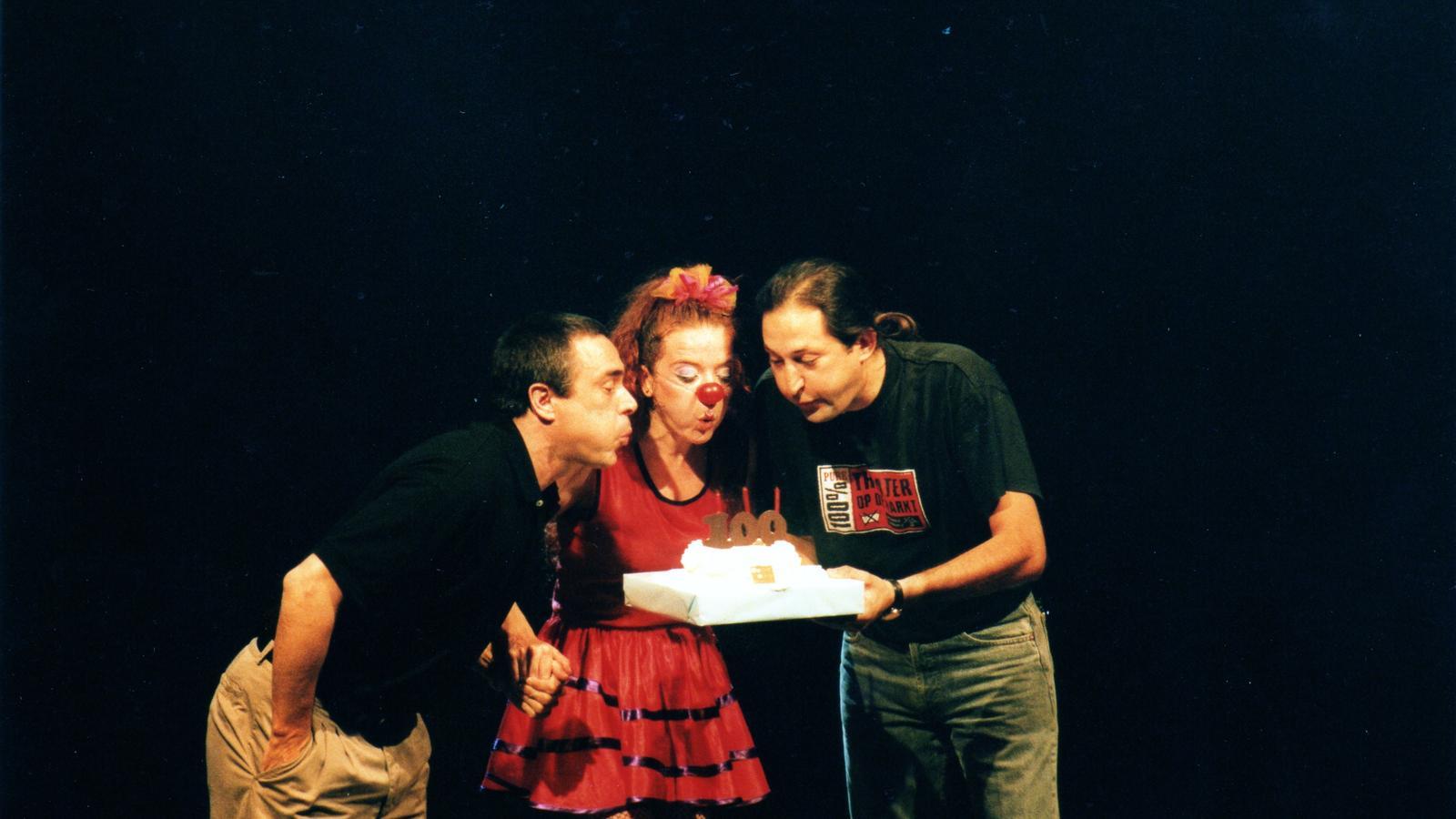
One of the most special summer nights Pepa Plana remembers is the night before her first show as a clown. “Thirty years have passed and I still remember all the excitement of premiering a first adventure that we didn't know where it would lead us,” she says. That first show, De Pe a Pa, she premiered at the Fira de Tàrrega at the hands of Joan Busquets, a clown and theatre director who died of cancer in 2010 and whom Plana misses terribly. “He was a very good clown, and he was always very generous with me. He took me by the hand and made me walk as a clown. Oh, how I like to bring him down and have him appear in a conversation,” she exclaims.
That support was very important for Pepa Plana, because everyone told her that if she became a clown, she would starve. “A woman clown and for adults? They didn't predict good outcomes for me. As a clown, things have gone well for me, for them as fortune tellers, not so much,” says Plana, laughing, adding that the argument she heard most often at that time was that there was no circuit for the format she proposed. “If there is no circuit, it will have to be invented, right? Now I have had fourteen shows and a whole life in theatres. And I don't stop, I'm always thinking about the next show. And I must say that I wish I could regain that bravery of not being afraid of creation, of not being afraid that it wouldn't be liked. This is becoming harder for me, as if I were competing with myself. I work to get rid of fears, and it is then that I honestly do what I feel.”
Since that premiere night in Tàrrega, says the clown, “days and a lot of things have happened,” but she is still one of those people who close the bar and watch the sun come up if they go out partying. “I am very nocturnal, an owl, I am always the last to leave,” she confesses.
From childhood summers, she especially remembers the trips in a Seat 124 to France to see her grandparents and aunts and uncles, exiled by the war, who never returned to Catalonia. “For me, that trip was very long, crossing the border was like going to the other side of the world. I remember that afterwards I would return to Valls half French, acting all cool, with the long skirts in the latest fashion that my Aunt Edith used to give me. I must have been disgustingly repellent,” says the clown, laughing. For many years, she says, she didn't understand why her aunts and uncles were French and her father wasn't, until she was a teenager and learned that the Civil War had led many Catalans to exile in France. Plana reminisces about those years, but doesn't consider herself nostalgic: “There are still so many wonderful things that are going to happen to me… I've just become a grandmother and I think, 'Wow, how curious, everything that's coming, it's sure to be beautiful!'”
