What do you know about the protagonist fruit of autumn?
The pumpkin is a fruit rich in vitamins and minerals that carries a great cultural burden
-
CAT -
CAST
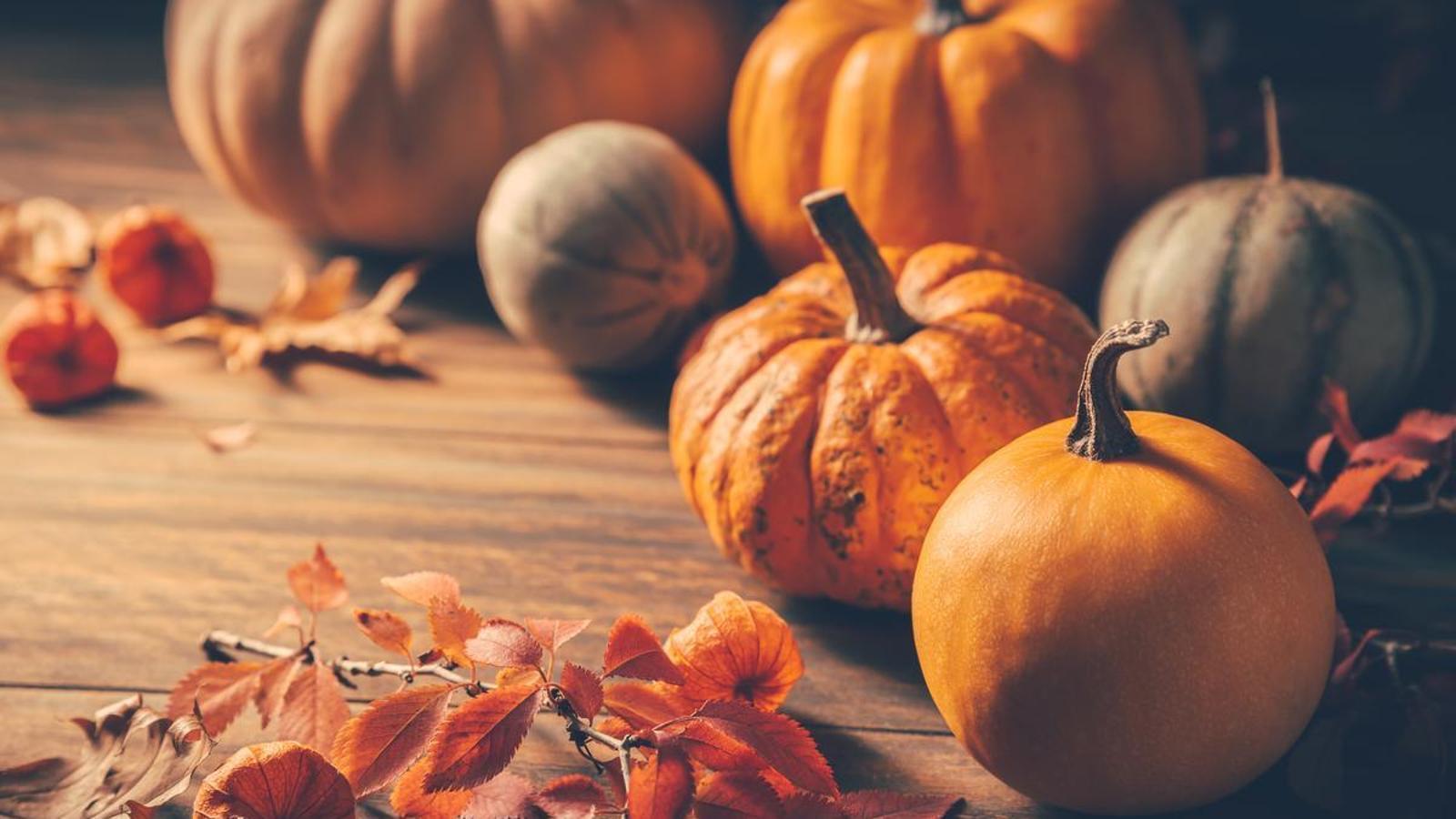
The world of food hides secrets and curiosities that help us understand it better. Behind every bite is hidden information that we are often unaware of. Autumn arrives, and with it landscapes dyed in brown and orange colors. Seasonal products return, such as chestnuts, sweet potatoes, and the protagonist of the season: the pumpkin. The pumpkin is a fruit from the cucurbit family that we consume as a vegetable and of which we find various varieties with different colors and sizes. It occupies a prominent place in autumn and winter cooking, due to the large number of recipes it allows. It is a fruit rich in essential vitamins and minerals that carries a great cultural weight.
Properties and nutritional value
Contrary to what the vast majority of people think, the pumpkin is not a vegetable. From a botanical point of view, it is a berry, a fleshy fruit with seeds inside. The outer wall is developed from the ovary of the flower. Other examples of this type of fruit would be the cucumber, the watermelon, or the melon. The pumpkin is a low-calorie fruit given that it contains a large amount of water and fiber, which make it a very digestive and satiating food. Thanks to its properties, it is recommended for combating constipation and fluid retention, as well as for its anti-inflammatory effects. Regarding its composition, it stands out for being rich in vitamins A, C, and also those of the B group, in addition to having copper, potassium, and magnesium.

Varieties and cultivation in Catalonia
Pumpkin is grown practically throughout Catalonia, except in cold areas of the Pyrenees. However, the crop is distributed according to the varieties of pumpkin. The angel hair pumpkin is grown throughout the territory except, as we have already mentioned, in cold areas of the Pyrenees. It is sown during the spring and grows as a creeping plant with yellow flowers. It usually produces late pumpkins until the first frosts, which kill the plant and damage the pumpkins that have not been harvested. The soup pumpkin has little resistance to cold, develops at temperatures of 25-30°C and is a traditional variety of the regions of Garrotxa, Ripollès, Gironès, Osona, Bages, Vallès Occidental, Baix Llobregat, Conca de Barberà and Baix Camp. On the other hand, the iron pumpkin is a variety highly appreciated in Lluçanès and the Plana de Vic to be eaten stewed. Even so, it has poor preservation and in February it begins to spoil. It is a traditional variety of the regions of Osona, Lluçanès and La Selva.
In Catalonia there are multiple varieties of pumpkin:
- Rabequet squash: A type of pumpkin highly appreciated gastronomically, both for making purées and other more sophisticated dishes.
- Del ferro: This pumpkin is highly appreciated in the kitchen. With its flesh, once peeled and the seeds removed, purees, consommés, and other more complex dishes are produced. Its seeds are also edible.
- Sponge gourd: Type of squash that is mostly non-edible. Traditionally, it has been used in rural areas to produce sponges, since upon ripening and once their fruits are peeled, they present a fibrous structure that has the capacity to retain water.
- Of the Vine: This cucurbit has no gastronomic properties, but it has been used traditionally to make various utensils such as instruments, canteens, containers, tools, spoons, ornaments, etc.
- Angel hair: This pumpkin is used to make the traditional angel hair jam. From the filaments inside the pumpkin, after a cooking process and the addition of sugar, comes this jam, which is highly prized in pastry making. An example of this are the pastissets from Rasquera, in the Ribera d'Ebre.
Autumn symbol and cultural reference
In countries with an Irish, Anglo-Saxon, and Celtic tradition, it has been a custom for centuries to decorate pumpkins and illuminate them. This tradition recalls the modern "Halloween," a custom that has arrived in Catalonia in recent decades.
However, the link between the pumpkin and the Halloween festivity is the result of a long cultural evolution that began more than two thousand years ago with the ancient Celtic peoples. The Samhain celebration was a festivity that marked the beginning of a new season, based on agricultural cycles. Thus, Samhain took place at the beginning of November and commemorated the end of the harvest season. On the other hand, the well-known Halloween pumpkin has its origins in this period. Originally, the Celtic peoples hollowed out turnips to turn them into lanterns that they placed at the entrance of their homes on the eve of All Saints' Day with the belief that they warded off wandering spirits. This tradition was known as "Jack-o’-lanterns." It was not until the 19th century, with the massive emigration of the Irish to the United States, that turnips were definitively replaced by American pumpkins, which were much more abundant and easier to carve.
