Summit of giants: Fincher, Tarantino and Pitt have made one of the films of the year
‘The New Misadventures of Cliff Booth’, which gives continuity to the universe of ‘Once Upon a Time in Hollywood’, premieres in Imax cinemas for a limited time

-
CAT -
CAST
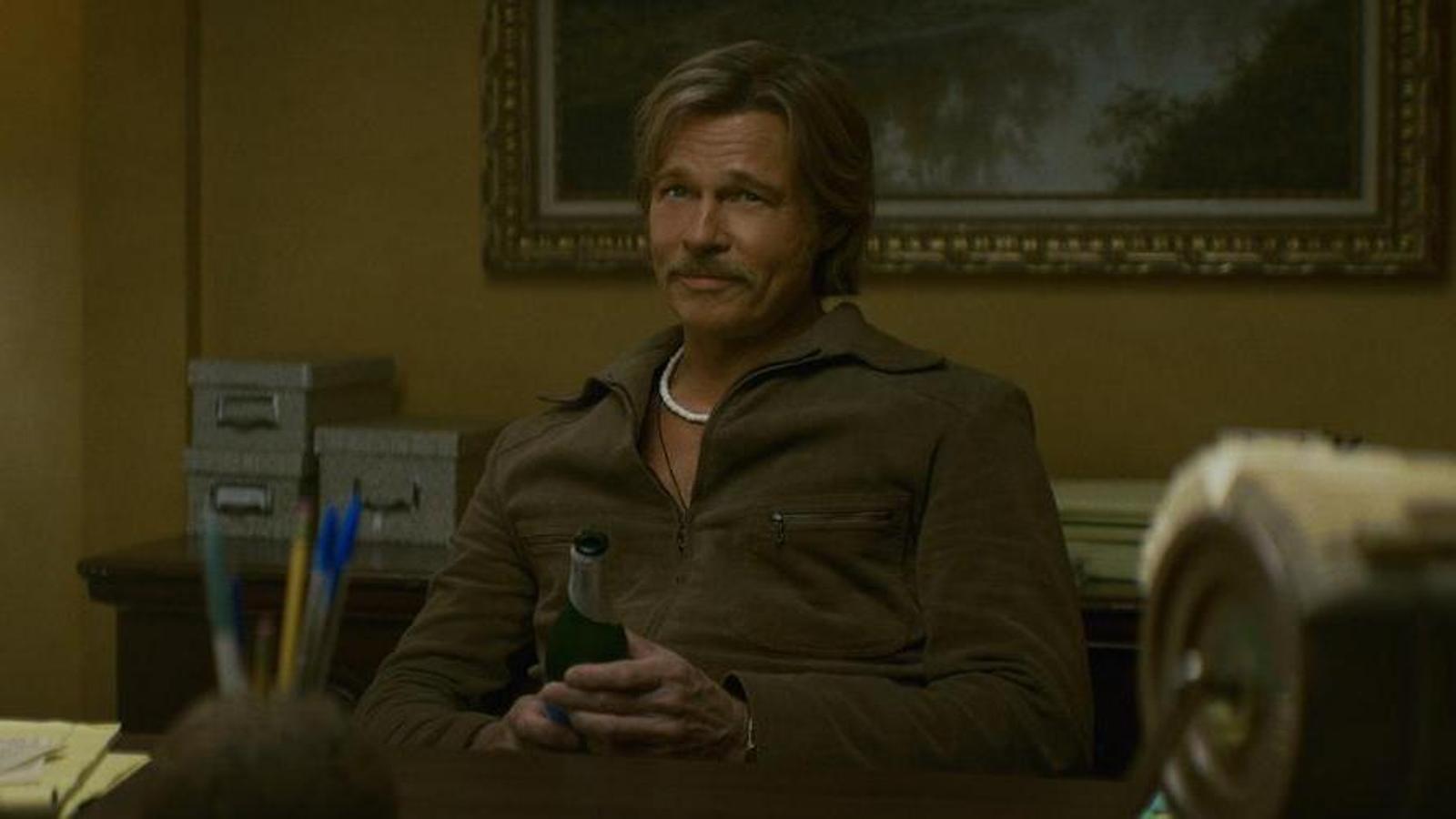
BarcelonaNeither Doomsday nor nonsense. The true film event of the season, a summit of true masters of cinema, is the film that has brought together the talents of David Fincher, Quentin Tarantino, and Brad Pitt, that is, two of the most important directors of their generation and the great Hollywood star with whom they have shot some of their best works. And the result lives up to the expectations: The New Misadventures of Cliff Booth is a gift for the fans of these three giants, a return to the world of the film Once Upon a Time in Hollywood and to the charismatic character that Pitt played in the film –and for which he won the Oscar for best supporting actor–, but revised from a different sensibility, both from a very fine script by Tarantino and from the direction of a Fincher who does not limit himself to doing a tarantinesque cosplay, but rather makes his mark with the dry and brutal violence of some scenes and his proven ability to film dialogue.
The New Misadventures of Cliff Booth is, as was already the case in Once Upon a Time in Hollywood, a fast-paced film that keeps you glued to the screen for over two hours without, deep down, many things happening. There is an extraordinary opening sequence and a criminal plot that takes shape until it culminates in a crackerjack ending, yes, but a good part of the film consists of spending time with a Cliff Booth who, eight years after thwarting Charles Manson's plans, no longer works as a stunt double and combines the job of projectionist (at the New Beverly, the cinema that Tarantino bought in 2007) and bartender in a tiki bar; occasionally he also helps old Hollywood friends solve situations that require someone with a certain moral flexibility and no fear of using violence, but he often limits himself to spending time with his father, with whom he watches old series and movies on television.
If Tarantino's Cliff Booth was clearly a fantasy of the director, the guy more cool of Hollywood, Fincher’s maintains that iconic quality but nuanced by the reality of a guy with an aging body who lives at his father’s house. The doubt of whether, deep down, Cliff Booth is a bit of a washed-up loser makes the character even more attractive. Especially when the film reveals its unexpected dimension as a love story, and a register especially surprising in the cinema of Tarantino and Fincher: disconcerting, sexy and very funny, bordering on romantic comedy. In this sense, the success of casting Elizabeth Debicki—the Lady Di of the last seasons The crown–, who in her role as agent to a television star (Scott Caan) brings a cerebral and skeptical femininity that deliciously grounds Pitt's idealized masculinity.
An interesting detail about Debicki's character is that before dedicating herself to representing actors she was a film critic, a disciple of Pauline Kael who no longer practices, but who in a memorable monologue compares Hollywood movies to hamburgers for mass consumption (“Critics spend their lives analyzing the small differences between a Big Mac and a Whopper”) and describes Star Wars of “technically superior version of Flash Gordon”. Everything suggests that she was the character who was to star in The movie critic, the film that a few years ago Tarantino said would close his filmography, until he announced that he was aborting the project without explaining the reason. We also do not know exactly why he did not want to direct The new misadventures of Cliff Booth; it's just that Brad Pitt had the idea of taking the script to Fincher, a possibility that thrilled Tarantino, because he considers him the best director in Hollywood (“After me,” clarifies Tarantino, who has never been an example of modesty). According to Ted Sarandos, the head of Netflix, Fincher's sales pitch was a message of just eleven words: “Directed by David Fincher. Written by Quentin Tarantino. Starring Brad Pitt”. Sarandos's response was immediate and even more concise: “Yes”.
Working with Netflix, however, has its drawbacks: the film will arrive on the platform on December 23rd, but before that, it will only be shown in theaters for the two weeks from November 25th to December 8th, and exclusively in Imax cinemas. In Catalonia, it is therefore being shown in only two cinemas, Cinesa Diagonal Mar in Barcelona and Parc Vallès in Terrassa. It will be the only chance to enjoy in a movie theater a film that breathes reverence for cinema as a collective act – the first sequence takes place in a movie theater! – which already permeated Tarantino's book Reflections on Cinema by Tarantino, but which also looks with affection at television and its stars.
In The New Misadventures of Cliff Booth there are formal games and Tarantino's usual metatextual cocktail of cinephile references, but also a sense of an era of change that is about to transform a film industry. It is not a nostalgic celebration, but a historical portrait that resonates in the present and in the film itself, which has been caught in a controversy over the use Fincher has made of AI in some scenes, according to the director to adjust the movement of the actors' lips with the sound of the best audio take. A decision that Fincher has defended tooth and nail and that connects with his speed in adopting all technological innovations, from the digital format (in 2007 with Zodiac) to the de-aging of actors with CGI (in 2008 with The Curious Case of Benjamin Button, eleven years before The Irishman).
