Josep Ramon Ferrer: “We must place values before technology”
President of GRAUSTIC
-
CAT -
CAST
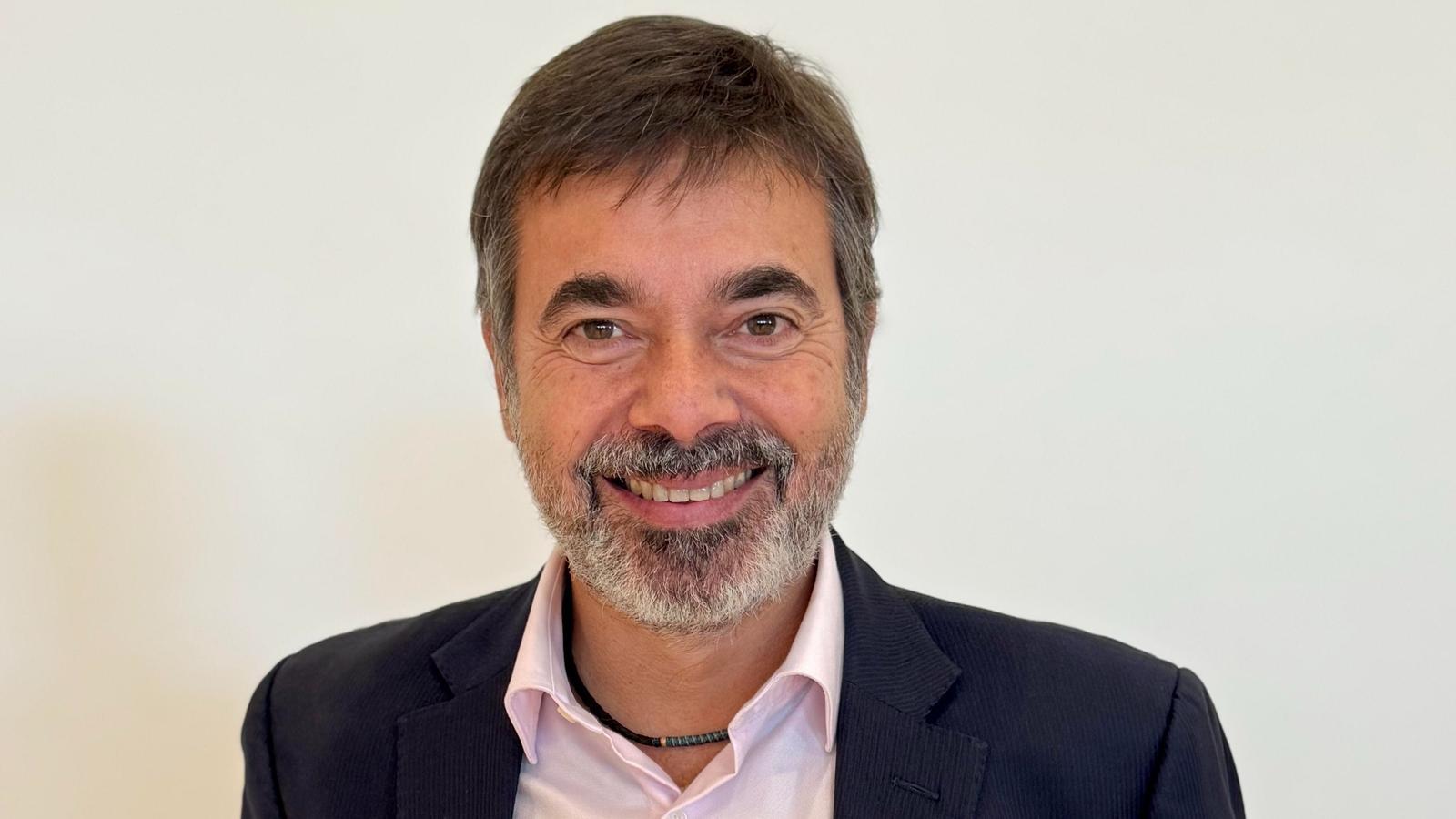
Josep Ramon Ferrer, president of GRAUSTIC, speaks about the importance of placing people at the center of technological advances. The GRAUSTIC day has served to talk about digital innovation, but also about its impact on society. As he asserts, technology must be at the service of humanity.
The ICT Day of Catalonia is one of the main meetings of the country's technological ecosystem. What does it represent and what makes it different?
— In Catalonia and Barcelona we have some of the most important technological congresses in the world. In meetings such as the Mobile World Congress, the Smart City Expo or ISE, the world explains to us where technology is heading and we can explain what we are doing, without moving from home. The Diada aims to be our congress: a space for the country's professionals to meet and reflect on where technology is heading and what impact it has on society. Its strength is its inclusive will: to bring together professionals and entities from many fields, because technology cuts across sectors such as health, education, logistics and culture. The Diada allows these perspectives to meet and engage in dialogue.
Technology transforms the way we live, work, and relate to one another. How can we ensure that this progress improves people's lives?
— The digital transformation of the last thirty years is impressive. At an event about the liberalization of telecommunications, we remembered when it was possible to make a call for the first time with an alternative company to Telefónica. In just three decades, the way we live, relate, and share has changed completely. And probably in the next ten or fifteen years we will experience an equally profound, but even more accelerated, evolution.
— Humanity cannot run behind technology: technology must be at the service of humanity. We cannot trust that challenges will solve themselves or apply patches after the fact. We must place values, ethics, education, and culture at the forefront. It is also necessary to recover shared foundations—human rights and multilateralism—, strengthen alliances, and build a more cohesive Europe. Engineers must read more philosophy and humanities, and everyone needs basic notions of technology. The future will depend on the decisions we make as a society.
What does it mean to put people at the center of technology?
— It means that what we do must serve to make people's lives easier and respond to their needs. But many administrations still operate with a logic that recalls the enlightened despotism of the 18th century: “Everything for the people, but without the people”. Often, with the best of intentions, they end up prioritizing the processes and needs of the institution. Technology already allows for reducing bureaucracy, connecting better with people, and responding with more speed and empathy. Putting people at the center must be felt in their daily lives.
What role can dual-use technologies play in the Catalan industry, in an increasingly complex global and geopolitical context?
— Catalonia has talent, innovative companies and first-rate research centers, but it is often difficult to make the leap in scale. An Israeli entrepreneur told me many years ago: “The market is the world”. Catalan companies must think globally, and Europe must create conditions so they can grow.
— Public funding and private investment are necessary, but with mechanisms that allow for the construction of long-term industrial projects, not short-term speculation. This is essential in dual-use technologies, with civil and defense applications, and in strategic areas such as telecommunications, energy, culture, and social welfare. Europe must develop its own capabilities and companies with scale to compete globally. We also need a European regulator with a real capacity to act on a European scale, that protects children and young people in the digital environment and looks after the well-being of society, while simultaneously preserving freedom of expression.
What role can GRAUSTIC play in strengthening the Catalan ICT ecosystem?
— At GRAUSTIC we believe that things happen through people. That is why we promote gatherings such as the Diada, the GRAUSTIC Lunches, and visits to technology, innovation, and research centers. When we connect companies, institutions, and professionals, the capacity to dialogue, imagine, and do things together grows. From these relationships, shared projects and ambitions are born that help us think long-term, be more competitive, and strengthen the Catalan ICT ecosystem. We also find it essential to open a collective dialogue on how we want to govern technology.
How can we move forward with ambition and decide what technological future we want?
— The question is not just what artificial intelligence can do for us, but what future we want to build and where human intelligence is leading us. Hiding behind technology would mean giving up on building our own future. I want a future with more democracy, culture, education, training, ethics, and values. Artificial intelligence is an extraordinarily powerful tool, almost a divine power placed in our hands. It can help us build a better world, but we must decide the course ourselves.
