Cadí Tunnel: Towards a "zero emissions" infrastructure in electric consumption in the Pyrenees
Located in a natural environment of high ecological value, the Cadí tunnel faces the challenge of reconciling mobility with environmental preservation. The management of Autopistas, from the Abertis group, involves concrete measures to move towards decarbonization.
-
CAT -
CAST
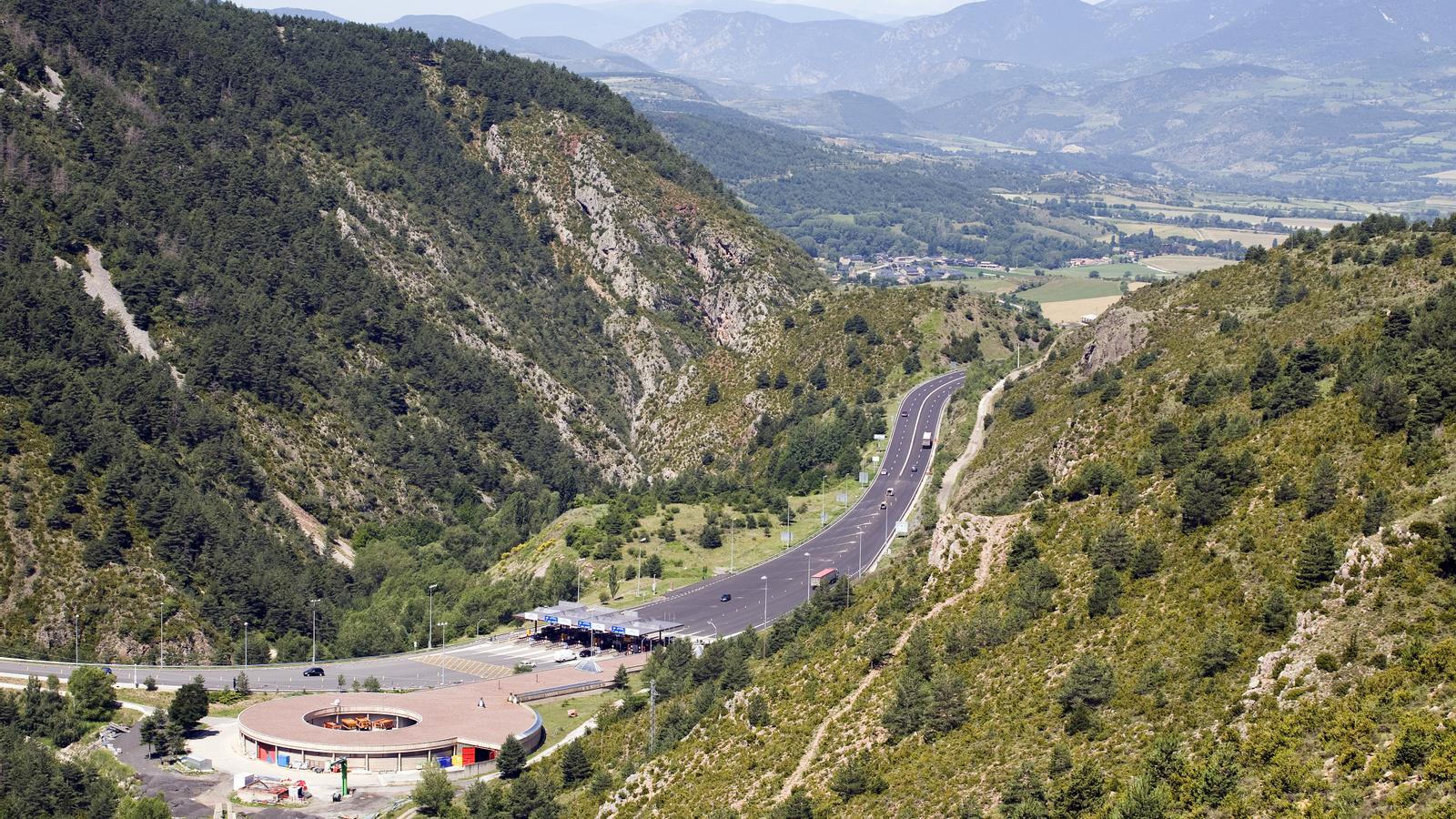
In the heart of the Cadí-Moixeró Natural Park, the Cadí tunnel, an infrastructure owned by the Generalitat de Catalunya, is much more than an infrastructure: it is an essential connection axis between regions and a key piece of mobility in the Pyrenees. With more than five kilometers in length, it is a strategic corridor that concentrates vehicle flows throughout the year.
When an infrastructure operates in an environment of high ecological value, the challenge is clear: to guarantee service and safety and, at the same time, reduce environmental impact. For this reason, the Cadí tunnel is advancing towards a "zero emissions" model, understood as a decarbonization roadmap based on real actions – energy, efficiency, and services that avoid unnecessary emissions.
Behind this objective of sustainability and efficiency is the management of Autopistas, from the Abertis group, which manages this infrastructure through the concessionaire Túnels de Barcelona i Cadí.
Electromobility in the Pyrenees: charge while you rest
One of the most visible transformations is the commissioning of six new charging points at the Cadí Tunnel Service Area, designed to provide coverage during high-demand periods, such as the winter season.
The chargers, operated by Ionity, are ultra-fast (350 kW) and allow the battery to be charged in approximately 20 minutes, a time that helps to normalize electric travel even on mountain routes. In addition to these chargers, 4 electric charging points have also been installed at the service area's petrol stations.
This action is part of a broader deployment: a plan for 76 charging points at the state level, distributed across the 29 service areas on the 600 kilometers of roads managed by the company; in Catalonia, the plan foresees 24 points, with 95% of them being ultra-fast.

Energy and efficiency: reducing consumption is also reducing emissions
Decarbonization is not just about “adding chargers”. In an infrastructure like a tunnel, a relevant part of the impact comes from how it consumes energy: lighting, ventilation, and operating systems.
In this regard, Túnels de Barcelona i Cadí has promoted a set of actions aimed at improving energy efficiency and reducing the environmental impact of the infrastructure. Among these, the complete renovation of the tunnel's lighting system with LED technology stands out, with the installation of nearly 500 luminaires along more than 5 km. This action allows for a reduction in energy consumption and avoids approximately 155 tons of CO₂ annually, an impact equivalent to planting more than 7,400 trees, and which is added to the exterior lighting with the same technology, implemented previously.
These measures are part of a certified management system that guarantees the quality of service and environmental management. In this sense, Túnels de Barcelona i Cadí has the ISO 14001 certification for environmental management and ISO 9001 for quality, which ensure high standards in both operations and continuous improvement.
Furthermore, the company sets the objective that 100% of the electrical energy used comes from sustainable sources, combining its own renewable energy and the purchase of green energy from accredited providers. For the past two years, it has also been exploring the possibility of having a sustainable fleet and is testing a 100% electric vehicle.
Own energy generation: from consumption to production
The “zero emissions” model is not limited to consuming energy better, but also produces it. In this line, the Cadí infrastructure stands out for its own generation capacity.
A significant part of the energy comes from the Maurici Roset mini-hydroelectric power plant, located on the Gréixer river. This facility takes advantage of both water filtrations from the tunnel itself and the surrounding water resources to generate energy continuously. Approximately 60% of the infrastructure's electricity consumption comes from this plant, thus directly integrating generation with the operation of the tunnel systems.
Solar generation is added to this model, with the installation of photovoltaic panels at different points in the network. In the case of Cadí, the service area incorporates an installation with an estimated production of nearly 70,000 kWh annually, which is complemented by other complex equipment, thus reinforcing the infrastructure's role as an energy generation node.

Digital services and accessibility: more efficient and equitable mobility
The path to more sustainable mobility also involves facilitating a more agile and efficient user experience. In this regard, digital solutions like AWAI allow for improved payment management and reduced friction when passing through the infrastructure, contributing to smoother traffic flow and, consequently, to the reduction of emissions associated with unnecessary congestion and stops.
At the same time, the Cadí tunnel maintains its commitment to the region through mechanisms such as the discount for mandatory mobility, which facilitates the recurrent use of the infrastructure by residents and regular users. These types of measures help ensure more accessible and equitable mobility, especially in areas where connection alternatives are limited.
In parallel with these actions, the Cadí tunnel strengthens its bond with the region through environmental volunteering initiatives driven by the employees of Túnels de Barcelona i Cadí. In this context, the collaboration with the Kilian Jornet Foundation stands out, with actions aimed at preserving mountain ecosystems and raising awareness about the impact of climate change in the Pyrenees. This initiative highlights the team's direct involvement and commitment to protecting a natural environment of high value.
Towards a diversified energy model
In parallel, the combination of hydroelectric and solar energy consolidates a diversified and resilient energy model, capable of taking advantage of the environment's own resources.
The objective is to move towards an increasingly self-sufficient infrastructure aligned with decarbonization goals to strengthen the role of the Cadí tunnel as a benchmark in sustainable mobility in the Pyrenees.
This commitment is part of a public-private collaboration model in which the Generalitat de Catalunya and Autopistas work aligned to promote a safer, more efficient road prepared for the challenges of future mobility.
