When pollution ends up on the plate
Mercury, arsenic and cadmium travel from the soil and the oceans to food. The risk depends on the accumulated exposure and not on a one-off consumption

-
CAT -
CAST
When we think of pollution, images of exhaust pipes, factory chimneys spewing smoke into the sky, or beaches overflowing with plastic waste most likely come to mind. It does not occur to us that there is part of the pollution caused by human beings that ends up traveling to our table. And yet, we eat it every day and, in the long run, it can end up undermining our health.
Industrial, mining, and agricultural human activity causes metals present naturally in the Earth's crust, such as mercury, arsenic, lead, or cadmium, to increase their concentration in the environment. And from there they pass to plants and animals, to the food we consume. Epidemiological studies have linked these elements to neurological, renal, or cardiovascular alterations.
“What we eat also explains the history of the environment,” summarizes Joan Grimalt, researcher at the Institute of Environmental Assessment and Water Research (IDAEA-CSIC). "What we find in fish or cereals reflects what has happened before in rivers, oceans, or soils," he adds.
Surely, the best-known example is mercury, present naturally in rocks. When it ends up in rivers and oceans, a chemical reaction occurs with algae and bacteria, and it becomes methylmercury, a much more toxic form capable of accumulating in fish tissues. Small ones contain meager amounts, while those that are larger predators, such as tuna or swordfish, accumulate that of all their prey. Therefore, the bigger the fish and the more years it lives, the more mercury accumulation it tends to have.
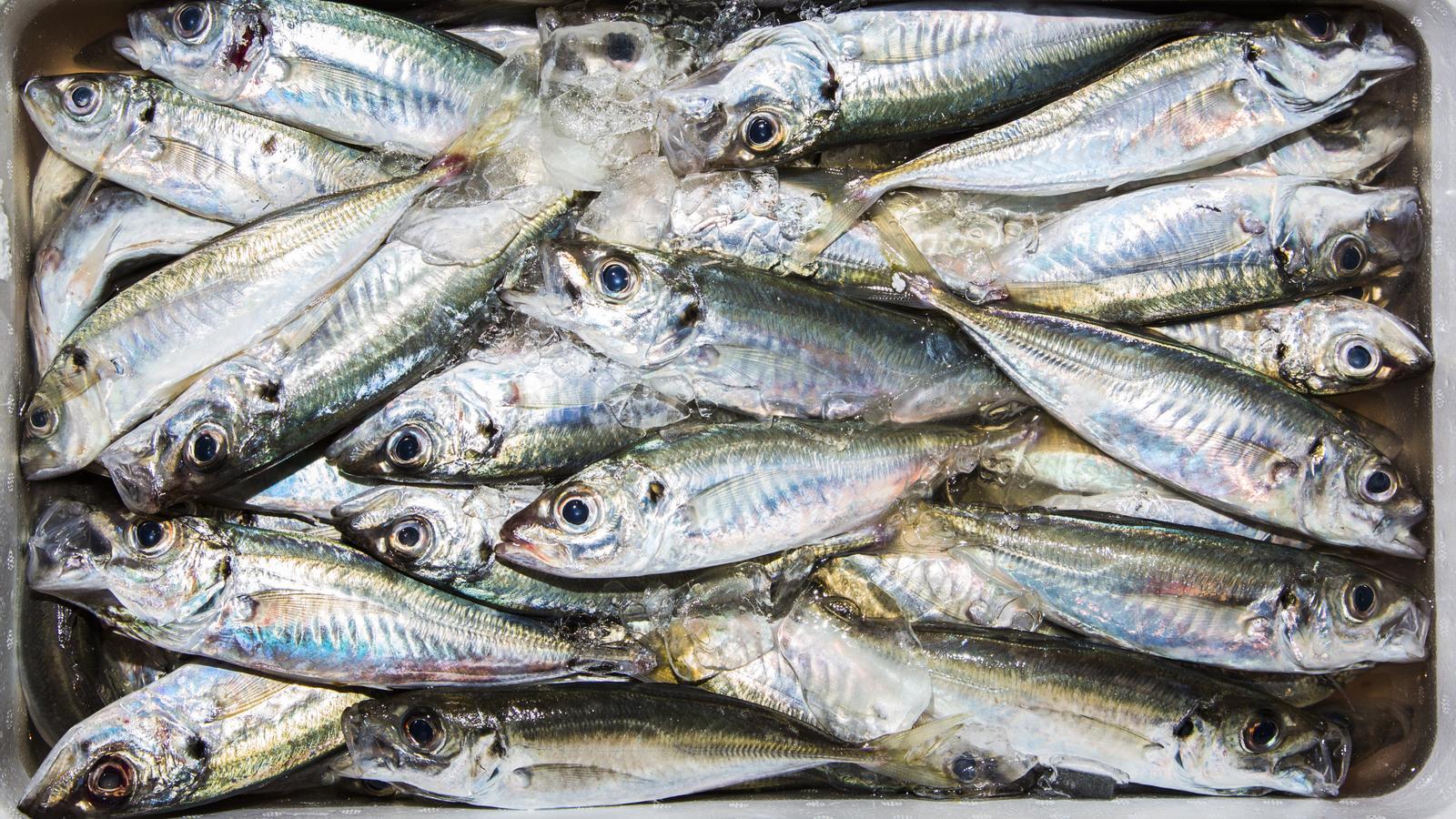
A study by IDAEA-CSIC, led by Grimalt, analyzed the mercury concentration of nearly 60 species of fish and seafood for human consumption collected in local markets in Spain, Italy, and France. Only 13 species always presented mercury concentrations below those recommended as safe by the European Union. Among others, sardines, anchovies, sea bream, gilthead bream, and squid.
The researchers insist, however, that these results must be interpreted with caution and that eating fish is healthy: it is one of the foods with the most nutritional benefits, rich in high-quality proteins. Furthermore, "it contains a series of fatty acids that neither meat nor vegetables have and which are very healthy, which is why it is highly recommended to include it in the diet," argues Grimalt. Mind you, this researcher points out, it is preferable to opt for small species and for the consumer to have information at their disposal to make decisions. "Tuna from the Atlantic does not pose a problem, but Mediterranean tuna does, because it contains high concentrations of mercury," he points out.
However, "the risk does not depend on eating a can of tuna or a specific fish one day, but rather on high and sustained exposure over time, especially in more vulnerable people," maintains Paula Ventura, an endocrine pediatrician at the Arnau de Vilanova University Hospital (Lleida).
For this reason, current health recommendations advise consuming it regularly, between three and four times a week, prioritizing local oily fish (sardines, anchovies, and mackerel). And they limit the consumption of large species, such as tuna, swordfish, shortfin mako, or blue shark, in pregnant women, breastfeeding mothers, and infants, because methylmercury, which is neurotoxic, can affect the development of the nervous system of both the fetus and children.
Also in vegetables
Fish is not the only example of how human action on the environment can end up on our plate. Rice and its derivatives tend to absorb arsenic from the soil and irrigation water, while other cereals, some vegetables, cocoa, or seafood can contain varying amounts of cadmium depending on the place where they were grown or caught.

“Cadmium is a toxic and carcinogenic metal for people,” warns Nicolás Olea, a professor at the University of Granada, who emphasizes that “the safe dose is zero.” This element spreads through the soil and water, and is often present in some crops due to the use of phosphate fertilizer used to enrich them. For this reason, it can be found in farinaceous products, such as pasta, bread, and pastries, or also in tubers like potatoes, and even in species of fish and shellfish, such as mussels, squid, and cuttlefish.
However, as happens with other environmental contaminants, such as endocrine disruptors, the simple presence of a heavy metal does not imply a risk to health. In fact, in small quantities, the human body needs them for its proper functioning, as is the case with iron, zinc, copper, cobalt, or even selenium.
The message, however, is not to eliminate these healthy foods. “The diet needs to be varied, balanced, so that if you eat a food with a higher concentration, the final internal load is much more distributed,” advises Ventura, who gives as an example red fruits that are produced for consumption –not wild ones–, such as blueberries and strawberries, which can accumulate more pesticides; and in other foods, small amounts of contaminants such as certain metals, which can come from environmental contamination. “In the end, it is a matter of common sense. Prawns can accumulate cadmium, but how many times a year do we eat them? Two or three? It doesn't matter, but try not to suck the head, where a higher quantity is concentrated.”
“It is impossible to completely eliminate these metals from the diet because they are part of the environment,” notes Grimalt. But we can reduce the emissions that cause them to increase and control their presence in food. That is why there are surveillance programs that regularly analyze contaminant levels and set maximum safety levels. “The issue is to avoid concentrations increasing and to control their level in food,” he adds.
