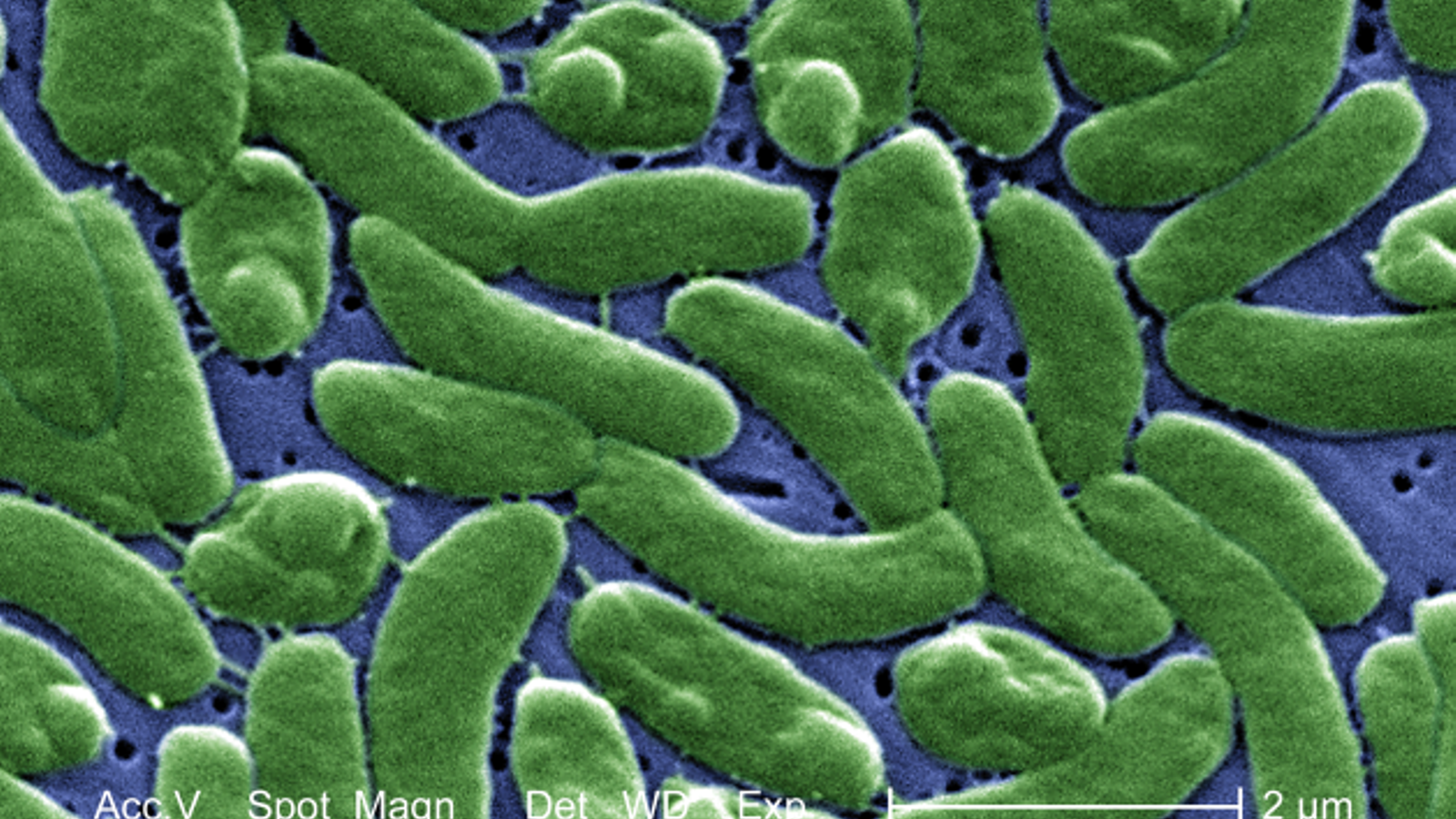
What is 'Vibrio vulnificus', the "devourer" bacterium that has caused five deaths in the United States?
The microorganism lives in warm coastal waters and can enter the body through small wounds, especially during the summer months

-
CAT -
CAST
BarcelonaIn the summer, when coastal waters warm up, the presence of a bacterium that can cause serious infections in humans increases. It is Vibrio vulnificus, a microorganism that naturally lives in marine and brackish waters in different parts of the world. The U.S. state of Louisiana has reported nine cases of infection this 2026, five of which have resulted in the death of those affected. All cases have required hospitalization, and authorities have linked them to the exposure of wounds to seawater. During the previous ten years, the state had reported an average of about seven cases and one death annually.
The Vibrio vulnificus proliferates, especially when water temperature rises, and is more common during the warm months. The U.S. Centers for Disease Control and Prevention (CDC) indicate that Vibrio species are found in higher concentrations between May and October, when coastal waters are warmer. However, temperature is not the only factor: salinity also plays an important role, and the bacterium finds particularly favorable conditions in brackish waters, such as those formed at river mouths and estuaries.
The bacterium can enter the body through an open wound that comes into contact with contaminated water, and it can also be contracted after consuming raw or undercooked seafood, especially oysters. It is popularly known as the "flesh-eating bacterium" because in some cases it can cause necrotizing fasciitis, an infection that rapidly destroys the tissues around a wound. The nickname, however, is imprecise: the bacterium does not literally "eat" flesh, and necrotizing fasciitis can also be caused by other microorganisms.
The most severe infections can reach the bloodstream and cause a generalized infection. The risk is particularly high in older adults, people with liver disease, diabetes, or a weakened immune system. The CDC estimates that approximately one in five people infected with Vibrio vulnificus dies.
The risk in the Mediterranean
The Vibrio vulnificus is not a bacterium exclusive to Louisiana or the Gulf of Mexico. Its presence has been documented for decades on the Spanish Mediterranean coasts. The Catalan Food Safety Agency explains that it has been detected in waters and mollusks from the Mediterranean coasts and also in the Cantabrian Sea. Microbiological studies have identified the bacterium in samples of seawater and bivalves from the Spanish Mediterranean coast.
This does not mean, however, that any swim in the Mediterranean poses a relevant risk. The presence of the bacterium is not uniform and depends on environmental conditions. High summer temperatures can favor its presence, but salinity also plays a decisive role. The risk is more plausible in environments where high temperatures and lower salinity coincide, such as river mouths, coastal lagoons, or other brackish water areas.
The presence of the bacterium in the Mediterranean does not imply that the risk to the general population is comparable to that of Louisiana. Serious infections remain infrequent, and the risk is concentrated especially in people with certain risk factors, such as liver diseases, diabetes, advanced age, or a weakened immune system.
The increase in the temperature of coastal waters is, in any case, one of the factors that scientists are monitoring, as it can favor the presence of different species of Vibrio. This does not mean that every temperature increase automatically translates into more infections, but it does explain why these bacteria are being monitored in a context of warming waters.
How can it be prevented?
The main preventive measures involve preventing open wounds from coming into contact with seawater or brackish water. If you need to enter the water, it is advisable to cover any cut, scratch, or wound with a waterproof dressing. If a wound comes into contact with coastal water, it should be washed immediately and thoroughly with clean water and soap. If symptoms such as redness, swelling, or pain appear and worsen rapidly, seek medical attention.
It is also recommended to avoid consuming raw or undercooked seafood, especially oysters. People with risk factors should take extra precautions. In general, Vibrio vulnificus is not typically transmitted between people; the risk is mainly concentrated in contact with contaminated coastal waters and in the consumption of raw or undercooked seafood.
