Why is the commission of the Rambla attacks stuck?
The parties have agreed to try again in September after several postponements of the meeting to approve the conclusions
-
CAT -
CAST
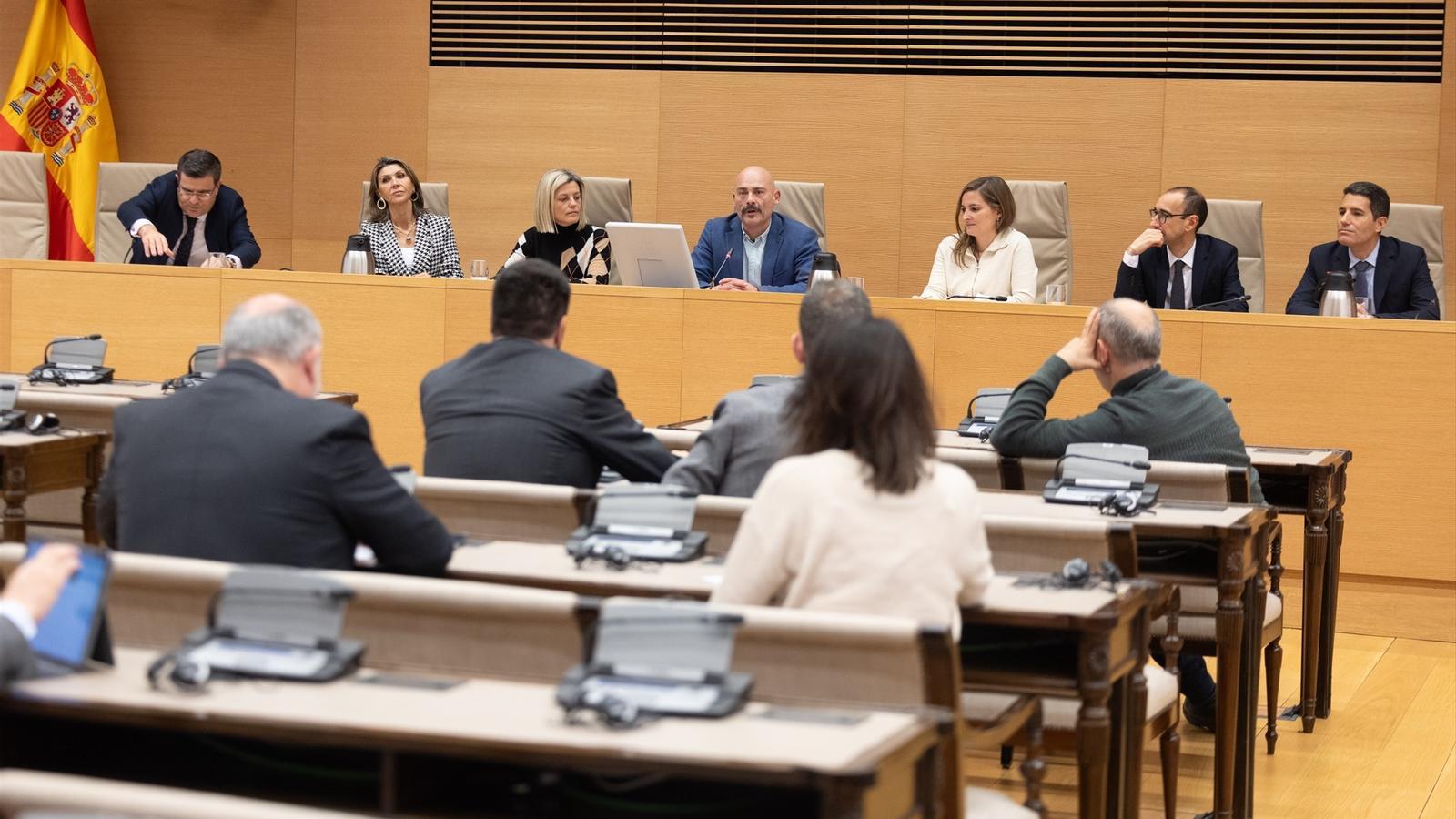
MadridThe resumption of parliamentary activity in Congress, in September, will have as one of its pending tasks to unblock the approval of the conclusions on the attacks of August 17 in Barcelona and Cambrils. Two and a half years after the investigation commission on 17-A was established, the parliamentary groups have already drafted their final proposals, but have not yet submitted them for a vote. The differences between the parties of the plurinational majority, which have been noted in the registered documents and during the sessions, have led them to negotiate in an attempt to approve a consensual text. For now, according to various parliamentary sources consulted by ARA, there is no definitive agreement, although the parties have agreed to try again after the holidays. The main obstacle is for PSOE and Junts to agree, as they are the ones with the most opposed positions.
In July, the commission's meeting to approve the conclusions, which will then have to be taken to the lower house's plenary session, was canceled twice. The reason, the same sources explain, was precisely the lack of agreement between socialists and Junts supporters. Given the fear that an alternative text might be approved with the votes of PP and Vox, the presidency of the commission, held by Sumar, chose to suspend the calls for sessions that coincided with the extraordinary plenary sessions of July 14 and 23. Are there any chances that a new call in September might be successful? Junts approaches it with optimism after having been given more time to assess the content of a possible pact. Other members of the plurinational majority, who are also negotiating, see options for a definitive understanding to be reached.
Sources familiar with the negotiation explain that, while a few months ago it seemed impossible for PSOE and Junts to reach an agreement, there have already been advances on core issues. The parties, they add, have shown good willingness to reach an agreement in September after failing to do so in July. Being under the scrutiny of the victims' families is also a great motivator to get moving in order to approve conclusions, they point out.
Differences over 17-A
In the event of an agreement, it will be necessary to see how they manage to structure the narrative about 17-A, which differs substantially between the PSOE and the pro-independence parties. Both Junts and ERC, with nuances between them, have pointed to the State's role, unlike the socialists. In its conclusions, Junts holds the State responsible because, in its opinion, the relationship between Imam Abdelbaki es-Satty and the CNI is "proven." According to the party, the attacks occurred due to "negligence by the secret services," which concealed the links for a "political decision."
Although the Republicans also speak of "negligence," they do not go that far and point to a "failure in prevention" and in the transmission of information to the Mossos d'Esquadra. While the PSOE's conclusions do not fall within this framework, they do admit that "substantial improvements in coordination between the different police forces" have had to be made in the Ministry of the Interior and that it is necessary to "continue moving forward and guaranteeing" that all police forces have real-time access to information. A recognition that, for some of the sources consulted, could be one of the openings to bring positions closer.
The pro-independence parties, and also Sumar, have focused on the need to declassify all information from 17-A, which is another aspect on which they have clashed with the PSOE. "The right to know the truth continues to be not fully satisfied," states ERC. In the case of Junts, which questions Es-Satty's death, it calls for reforming the official secrets law to prevent the classification of documents that could hinder the investigation of possible responsibilities in cases of terrorism. Beyond having access to this "truth," another of the points that the conclusions will have to resolve is the institutional response that the victims have received after the attacks and the call for improvements so that they have comprehensive reparation.
