What is Europe?
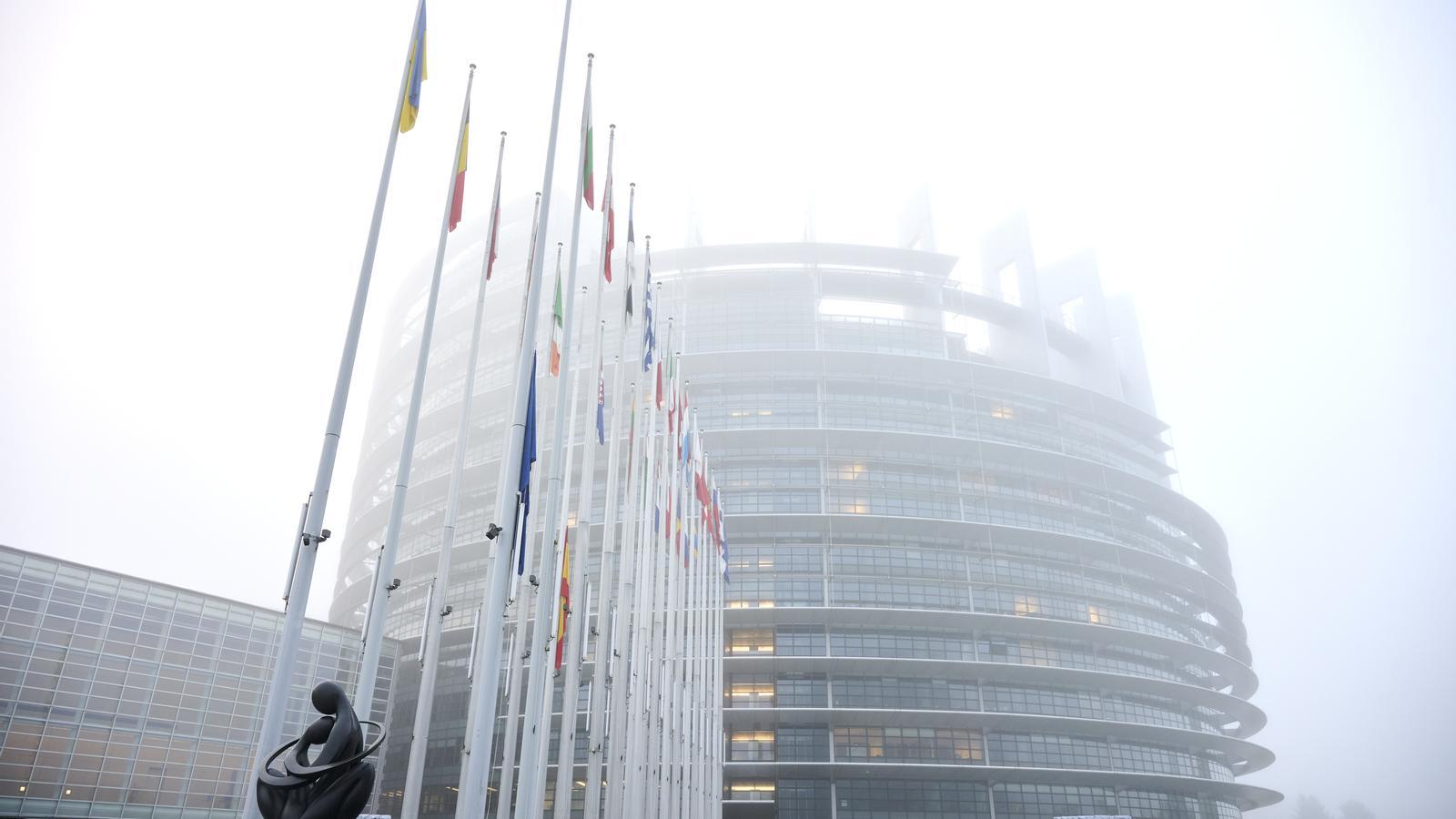

What is Europe? I do not know. And yet, perhaps it has never been so urgent to ask ourselves. Putin and Trump, for different reasons, seem determined to put an end to the European project as we have known it. To answer this, one would need to know all Europeans, to ask them about their memory, which is nothing but a rich legacy of memories, achievements, and failures. And even more so, about their intentions. For the six founding members, Europe is reconciliation and a guarantee of peace. Steel and coal, to begin with. For those in the north, above all a market. For Spain, Greece, or Portugal, on the other hand, Europe is democracy and freedom (the cinemas of Perpignan, do you remember them?). For the countries of the East, the promise of the West, the freedom and progress that the Russian bear always threatens and that Uncle Sam, until two days ago, seemed determined to guarantee them.
Since memory—and the aspirations that derive from it—varies from place to place, Europeans can only be united by interest or a shared moral purpose. One does not need to have read John Stuart Mill to know that a society sustained only by relationships and sentiments born of monetary interest is basically repulsive. Therefore, when Icelanders and Norwegians disdain European integration, I believe they are mistaken. Material advantages count. But they do not make a political community. We are left, then, with the project.
What does Europe want to be? Since Kant, we have known that peace is not simply the absence of war, but a political and moral construction. Europe can only be an intermediate station on the path towards a peaceful federation of free peoples, committed to the peace, liberty, and prosperity of humanity. It is not an end in itself. It is a particular political community that only justifies itself if it maintains a universal aspiration.
And in the meantime, you might ask me. In the meantime, we must keep walking. Firm in the face of the prejudices and fears of anti-bureaucrats, the doubts of skeptics, or the reticence of nationalists. But without throwing the door wide open to the impatient, who want to join the club without knowing what is danced there. Turkey, North Macedonia, Montenegro, Serbia, Albania, Bosnia and Herzegovina, Ukraine, Moldova, or Georgia have been knocking on the door for years, with different trajectories. Sooner or later, if we believe in the progress of humanity, they must be allowed to enter. They are poor, some reply. And they have precarious states of law. Certainly. But they aspire to live better and in democracy. Is anything else needed? Yes, institutions capable of guaranteeing liberties, the rule of law, and democratic alternation. But we should not confuse the difficulties of the path with the reasons to block it.
Is Europe, then, the terminus station of humanity's moral progress? Quite the opposite. As Brexit demonstrated, Europe is not an irreversible conquest. It is a daily plebiscite, like Renan's nation, and a construction subject to permanent transformation. A bit like the ship of Theseus.
Remember the paradox of the classical myth. For generations, the Athenians kept the ship with which Theseus had returned from Crete, replacing the wood as it deteriorated. Until none of the original pieces remained. Was it still the same ship? Philosophers discuss this.
And the most critical—for that very reason, always the most valuable—will reply: what sense does it make to keep talking about the same ship when it does not retain a single one of its original wooden planks? All the sense in the world, if it retains its purpose and coherence. Europe has changed its members, its borders, its institutions, and its priorities. And it will have to continue changing. Fidelity to its principles does not require keeping its form intact, but rather having the courage to transform it without losing its North.
Because coherence is also an aesthetic and moral requirement. In the club of Europeans, all skin colors, religious confessions, languages, customs, and habits must have a place. What should not have a place is intolerance, violence, or contempt for human dignity. Infringing upon liberties, denying the material conditions of a dignified life, or depriving someone of the recognition they deserve are not simple cultural discrepancies. They are ways of betraying the project.
Europe is not a heritage that we must preserve intact, nor a homeland destined to culminate history. It is a human construction, provisional and imperfect, at the service of ideals that transcend it. We can change every timber of the ship. What we cannot do is forget why we embarked on it.
