The PP gets tangled up again with pensions: Esther Muñoz says that the system will "collapse"
This issue was already key in the PSOE's comeback in 2023
-
CAT -
CAST
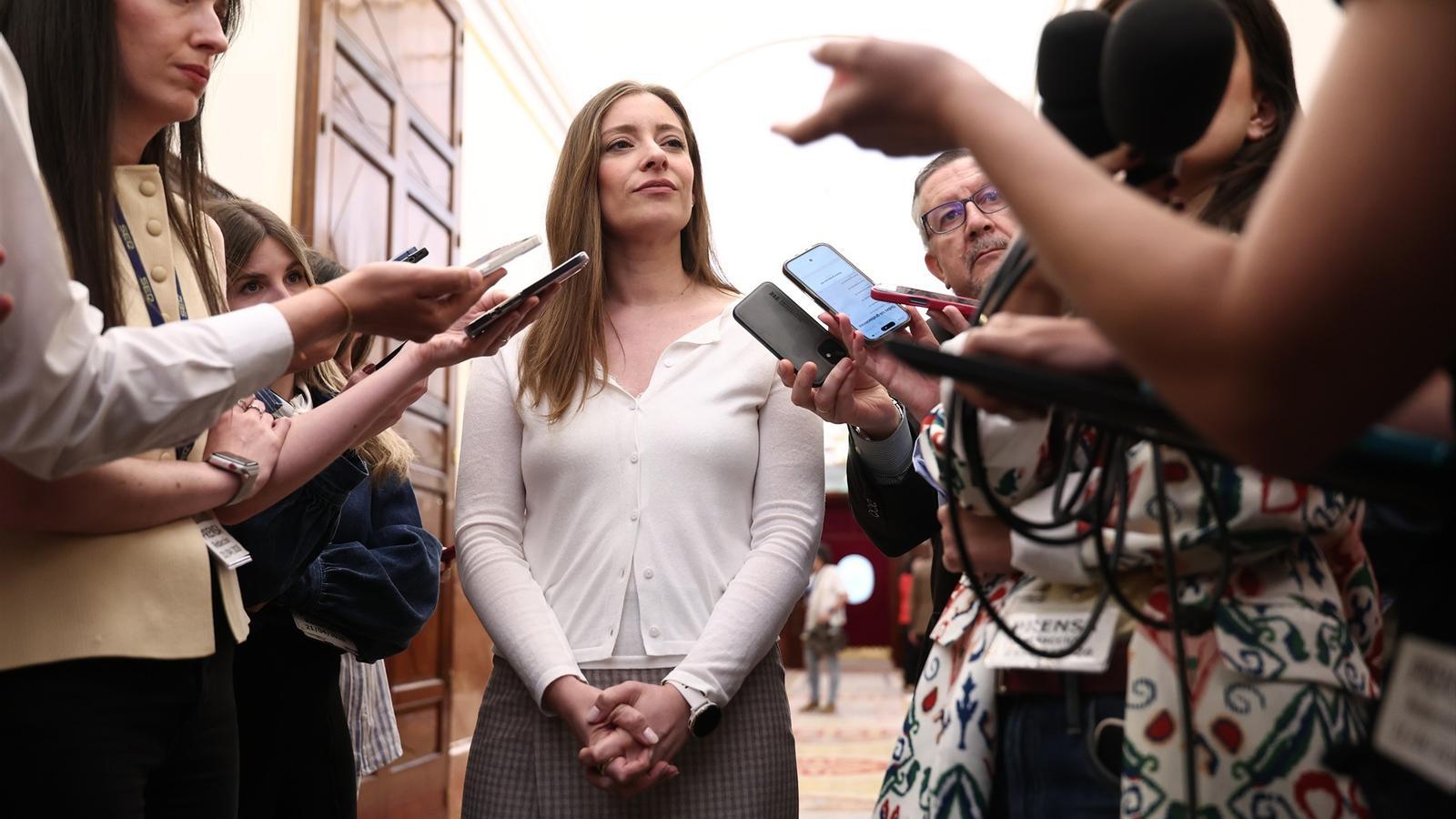
BarcelonaA few days after Vox deputy José María Figaredo opened the door to a change in the public pension system in Spain, the PP spokesperson, Esther Muñoz, said in an interview that her party is preparing a reform of the model because she considers that it "will collapse" if changes are not made. "The system, as it stands at the moment, will collapse," Muñoz said in a podcast, and added that the main problem is that "the boomers" are now joining it, who receive higher pensions. Muñoz states that this issue "must be faced with courage and by telling people the truth, understanding that the model must be changed".
The PSOE took advantage of these statements to launch a full-scale attack against the PP, and the popular leader, Alberto Núñez Feijóo, was forced to state that with him "pensions will be revalued with the CPI", just as is done now by law. The issue of pensions is especially sensitive and was already key in 2023 for the PSOE's comeback, especially after Feijóo was left exposed in an interview on La 1 during the election campaign when he claimed that with the PP pensions had always been raised according to the CPI, and the interviewer, Silvia Intxaurrondo, reminded him that it had not been like that and that during Mariano Rajoy's mandate during some years they had only been raised by 0.25%.
Both the spokesperson minister, Elma Saiz, and the Minister of Economy, Carlos Cuerpo, have attacked the PP for questioning the pension system, and the Minister of Finance, Arcadi España, said that hearing the right talking about this issue "makes his blood run cold". Specifically, Saiz has refuted that the system is unsustainable and has assured that currently there are 2.51 contributors for every pensioner, the highest level since 2011. The PP has not clarified what its model is or what changes it proposes to make the system sustainable. On the other hand, Vox does support a partial privatization of the system, as has been done in other countries, such as Chile and Sweden.
