Word of the day

The master's student's mother occasionally forces him to glance at the newspaper, especially if it carries news about his future profession. “Here, read this!”, she tells him this morning. And she hands him her mobile phone with the ARA news. She waits behind him, because if she sent it to him on WhatsApp, she knows he wouldn't look at it. The text says that teachers “have displayed banners and chanted slogans against the pre-agreement, which they describe as a patch because, they assure, it focuses mainly on pay aspects but does not address the problems affecting the daily life of educational centers”.
The student puts the phone on the table and says “Done”, as if he were a student. “And so?”, asks the mother. “And so, what?”, he replies. “What do you think, what would you do?”, the mother exasperates. “It’s just that the news doesn't make sense”, the boy sighs. “What do you mean it doesn’t make sense?”, the mother gets angry. And he shrugs his shoulders and repeats: “It doesn’t make sense!” Then he picks up his phone, which he had left on the table, and checks the news. The mother shakes her head: “Tell me what doesn’t make sense, although perhaps you should say that *you* don’t understand it”. He then points to a word with his finger: pedaç.
The mother looks at the floor. She doesn’t understand pedaç
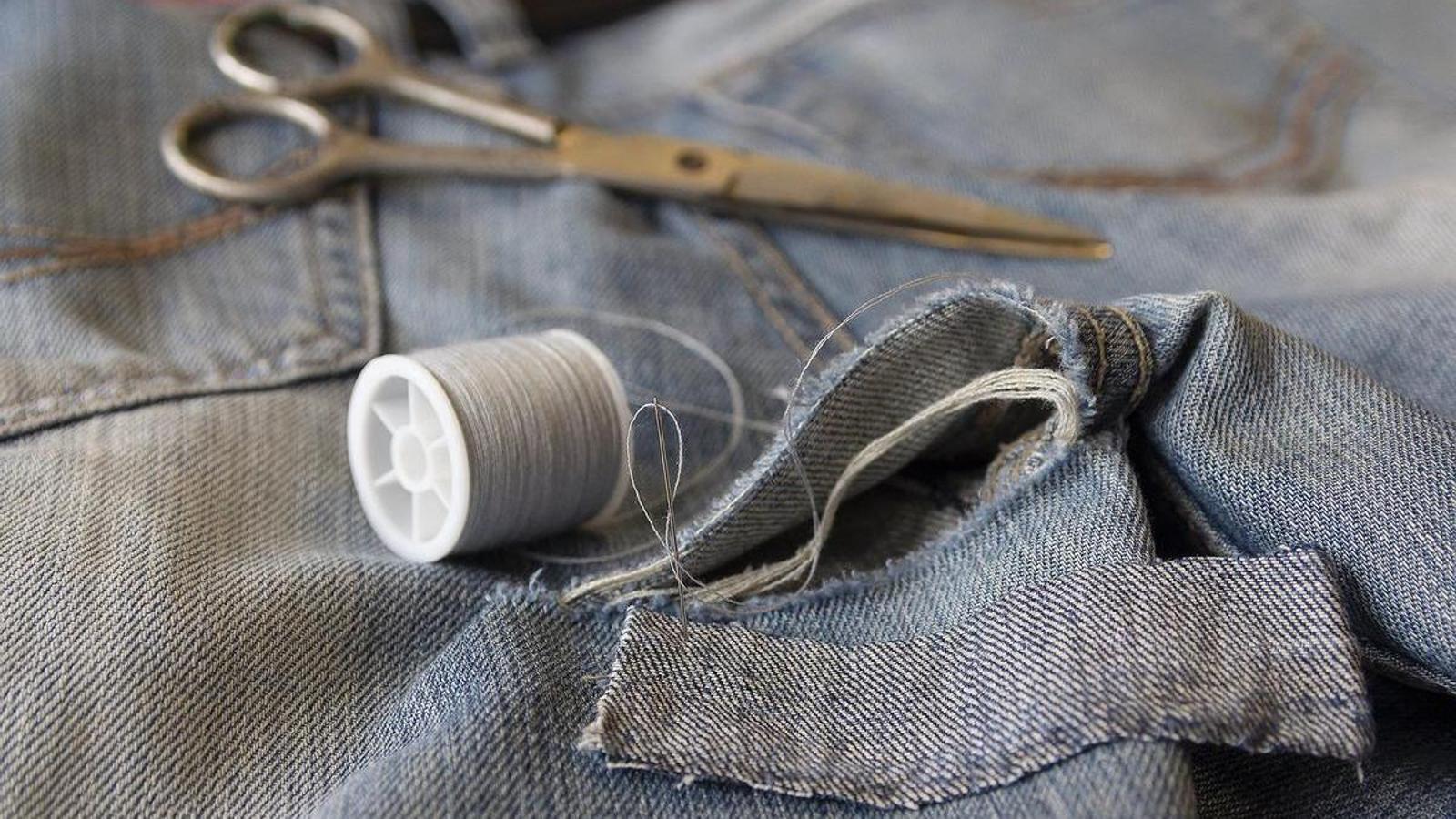
. And she doesn’t understand pedaç, because her generation doesn’t patch things up. She used to wear patches on her knees, but fake ones, of course, when they were in fashion. In Spanish, would she understand it? Parche? Maybe yes. And would she understand that it’s a literary figure? Perhaps not, because, of course, she has never worn a real patch, the kind that covers holes in clothes when they are too big to be darned. Nor has she read any novels by Folch i Torres or Dickens (she doesn’t know who they are, they were born before her) where boys and girls are patched up all over. She raises her eyes to explain it to him, but he is no longer there. He must be on the welcome sofa.
