MSF: much more than a scandal
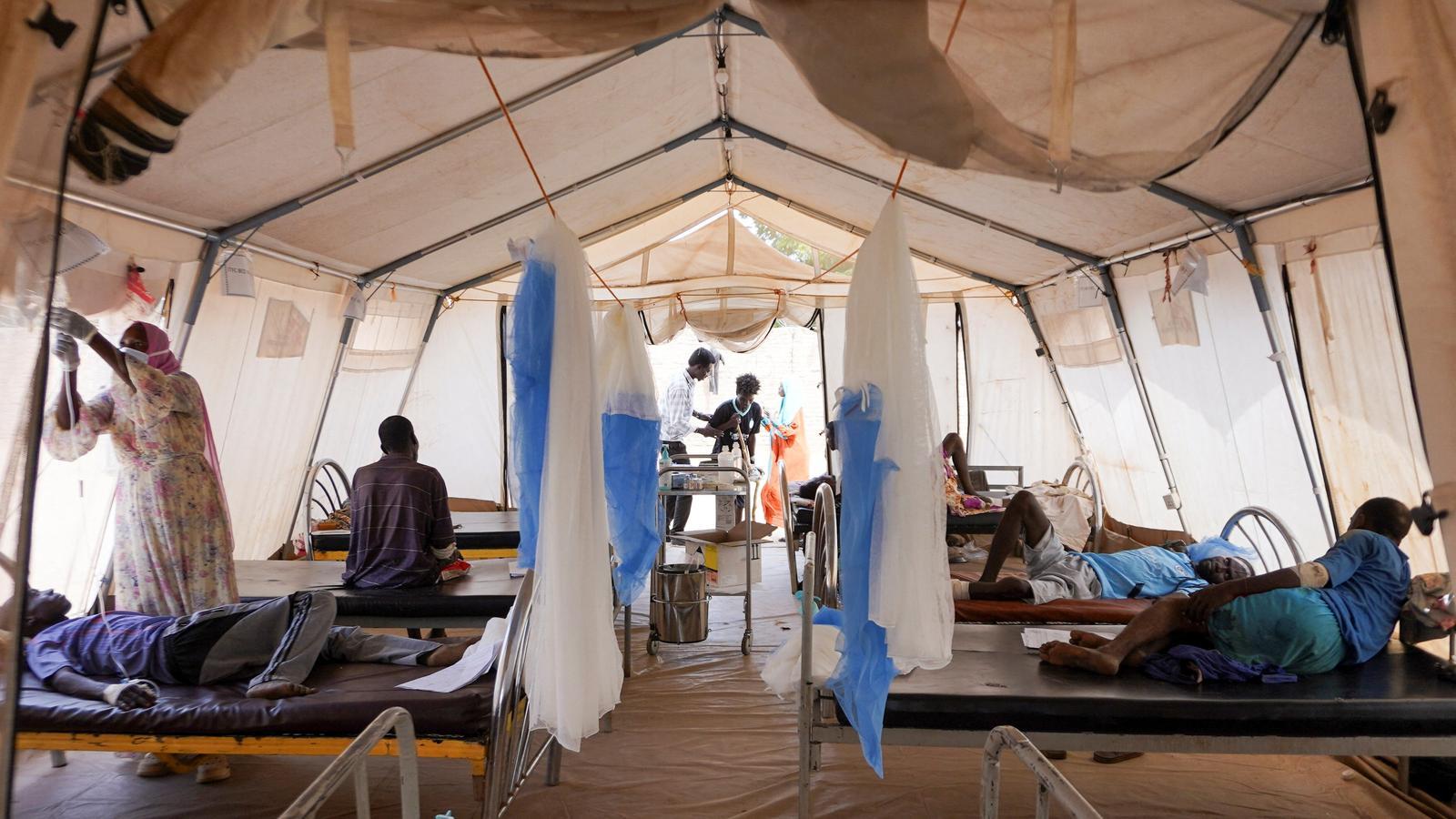

This week it was reported that Doctors Without Borders (MSF) had dismissed 18 workers after investigating several complaints from Sudanese refugee women and girls in Chad for sexual assault and exploitation. The news is not only an internal scandal but a major disgrace and the confirmation of a persistent reality: sexual violence pursues women even in environments of extreme vulnerability where they should be protected.
The women who have fled the war in Sudan have escaped bombs, hunger, violence... and have arrived at refugee camps seeking safety. But some have encountered another form of violence, perpetrated by individuals in positions of power within the structures responsible for helping them. One of the most despicable and perverse acts, in a humanitarian mission. Because when a woman or girl depends on food, medical assistance, or temporary work to feed her children, there is an extreme relationship of dependence with whoever supplies all of this. And it is in this inequality that aggressors find the opportunity to exercise their power. As Rita Segato explained, sexual violence is not primarily a matter of desire, but a demonstration of domination. What is being reported in Chad is the cruelest expression of a profoundly unequal power relationship.
It must be recognized that MSF has investigated the facts and admitted the existence of sexual violence. But it would be a mistake to confuse transparency with justice. Because dismissals cannot be the final point of a case involving alleged crimes of sexual exploitation and assault. If the accusations are true, we are talking about crimes.
It is particularly unsettling and worrying that many cases did not emerge through internal control mechanisms, but after journalistic investigations. Also, that some victims were unaware of reporting channels or did not trust them. How can you report someone who controls the resources on which your survival and that of your loved ones depend? The fundamental questions, therefore, remain unanswered. How many victims were there really? How many aggressors were involved? And, if we are talking about criminal offenses, why are they not reported as such? For now, what is known is that people have been dismissed. And that is clearly insufficient.
Of course, one must also ask what happens to the affected women. Have they received psychological support, legal assistance, or any form of redress? Too often the main concern seems to be the reputation of institutions, while the victims disappear from the center of the debate.
This case is no exception. Several investigations have pointed to staff from other humanitarian organizations and even workers linked to the United Nations system as perpetrators of this violence against women. The pattern repeats itself: men who turn aid and access to basic resources for survival into sexual currency. Absolutely aberrant.
Humanitarian organizations save lives every day and are essential. Precisely for this reason, they must be demanded more. Because when those who are supposed to protect take advantage of a person's vulnerability to abuse them, not only does an institution fail, but the trust that sustains all humanitarian action is broken.
Transparency is necessary. But without justice, redress, and criminal responsibility, there is a risk of turning it into a mere damage control operation. Refugee women do not just need explanations. They need guarantees that no one will ever again use their desperation as a weapon against them.
