Lessons from hantavirus

-
CAT -
CAST
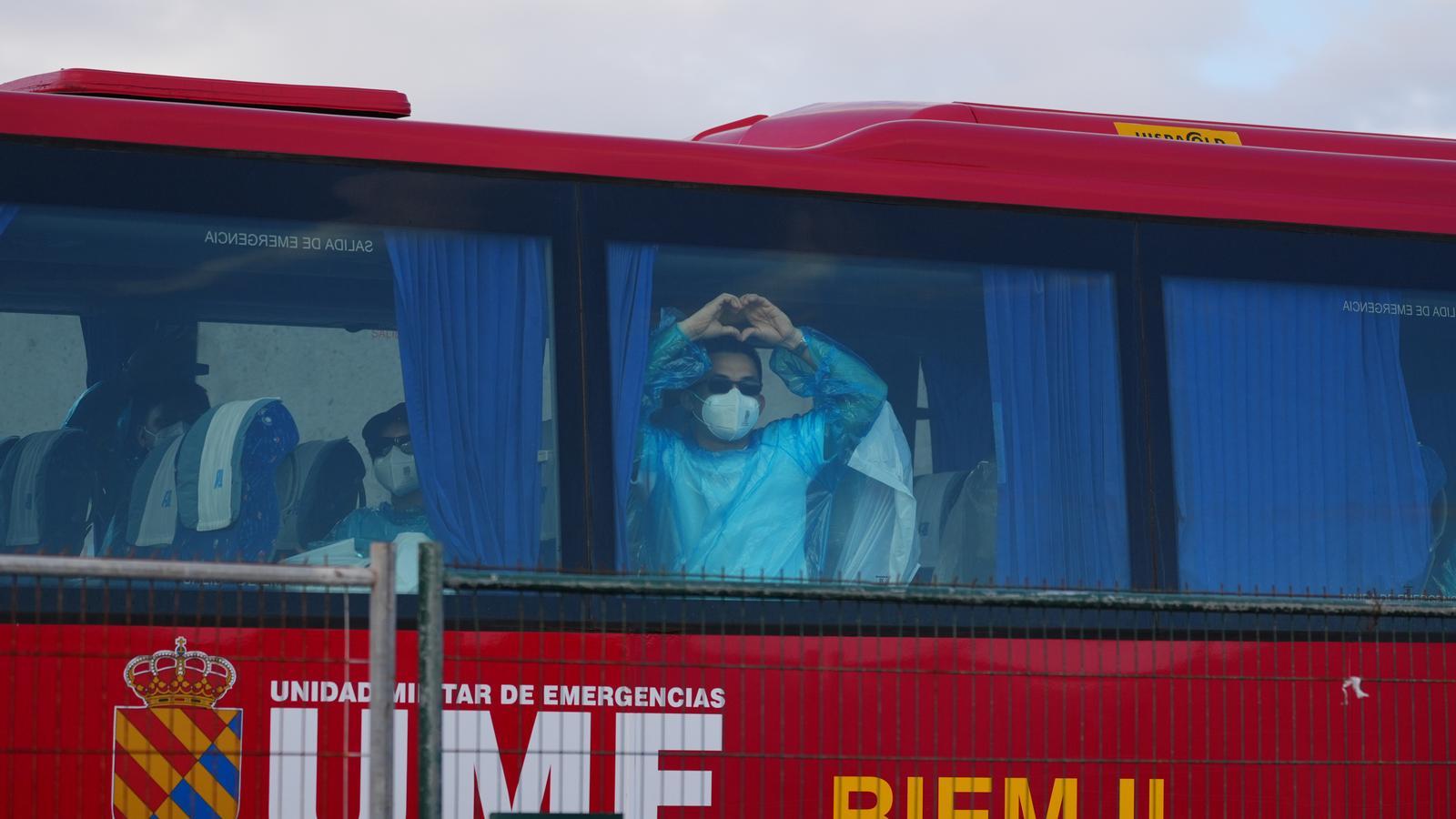
The World Health Organization (WHO) has declared the Ebola outbreak in the Democratic Republic of Congo a public health emergency of international concern, although it does not yet meet the criteria for a pandemic. Nor did the hantavirus outbreak associated with the cruise ship MV Hondius, which was more of a stress test for the functioning of institutions and the health system. What is certain is that both episodes have highlighted that 21st-century health crises require a one health approach, integrating human health, animal health, and the environment: the world is facing global health crises caused largely by respiratory and zoonotic viruses. Catalonia is a pioneer in this comprehensive approach thanks to the Public Health Agency, created in 2009, which is responsible for epidemiological surveillance, has an early warning system, and provides a rapid response to imminent public health emergencies (epidemiological intelligence), as does the agency of the city of Barcelona, operational since 2003. The State Public Health Agency, on the other hand, was not created until last year.At the institutional level, the hantavirus crisis unfolded between self-sufficiency and the misinformed alarmism of the president of the Canary Islands, Fernando Clavijo, illustrated by the hilarious image of rats swimming towards the coast of the Fortunate Islands. But also from the dirigisme and lack of transparency and cooperation of the Spanish government, especially in the early stages. The latter is relevant because, as we have known since the times of covid, healthcare and public health are areas in which the State and the autonomous communities share competencies. It is one thing for the State to have a reinforced intervention title, such as external health care—given that the origin of the crisis was a foreign-flagged ship with passengers of different nationalities—and another for the Canary Islands to be the one with the healthcare resources to carry out epidemiological surveillance.The public image of this episode has in many ways recalled the pattern of the pandemic, also due to the doubts evidenced about who was responsible for making decisions, whether safety measures were voluntary or mandatory, and what legal coverage they had. The contradictions between the Minister of Health, Mónica García, and the Minister of Defense, Margarita Robles, were blatant. While the former affirmed her confidence in the voluntary compliance of the quarantine while warning of the existence of "legal instruments" to impose it, the latter insisted that it was a totally voluntary measure that could not be imposed.
Certainly, there are legal instruments to impose quarantine, as the Minister of Health said. The organic law of special measures in public health matters of 1986 provides that health authorities can adopt the measures “deemed necessary in case of communicable risk”, if there is a situation of urgency and necessity. The general law of public health of 2011 expresses itself in identical terms. And the law on cohesion and quality of the health system of 2003 establishes cooperation and coordination actions between administrations in these cases. In Catalonia, the public health law of 2009 also empowers the Government to adopt provisional risk management measures and to intervene in public or private activities to protect the population's health. The legal system, furthermore, clearly distinguishes between quarantine and isolation. The former is for healthy individuals who have been in contact with a confirmed case, and the latter for individuals with a positive diagnosis or evident symptoms.However, old health law requires a reasoned administrative resolution and judicial ratification, often discretionary, to coercively impose any of these situations, which limit people's freedom of movement. A new secure legal framework is needed that incorporates a simplified and clear procedure where it is defined exactly when, how, and for how long the administration can confine asymptomatic contacts due to serious zoonotic risk without depending on judicial interpretation. And that shields these situations as a work accident, guaranteeing sick leave, psychological support, and telematic communication. Internationally, despite having a Sanitary Regulation that binds 196 countries, a harmonious framework is also needed: the WHO established that the evacuees from the ship should undergo quarantine and recommended 42 days of isolation for close contacts, but there are states that have extended it to 45 days, such as Greece, Switzerland, Germany, and the United Kingdom; and others, such as the USA, have not foreseen quarantine and evaluate each case.
