Housing policy: which approach is the good one?
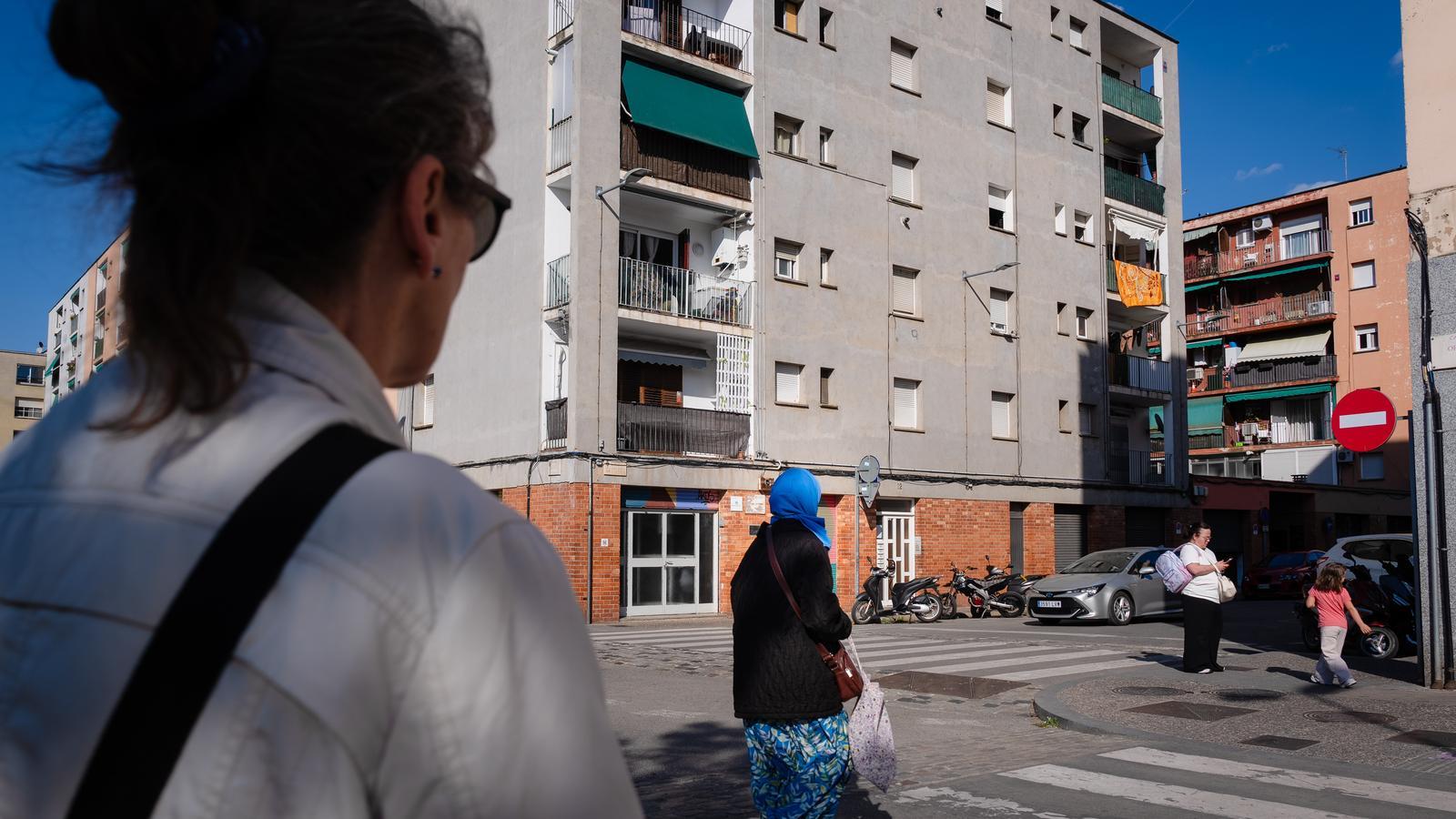

The State Housing Plan 2026-2030 represents a break with the previous one and, in general, with the tradition of Spanish policy for the promotion of affordable housing. Swings usually respond to confusion, but moreover, this particular change has not pleased the minority partner of the Spanish government –Sumar–, which is betting on a different third way. Can we shed some light on the darkness?Traditionally, policy had consisted in aiding the developer by facilitating and subsidizing financing, but the much more aggressive 2022-2025 Plan started from the principle that the problem was the price and the inability of many modest families to cope with it. Consequently, the focus shifted to aiding the tenant: 40% of the rent for low-income families; €250 per month for those under 35 for two years; up to 100% of the rent for vulnerable groups (victims of gender-based violence, homeless people, etc.).This approach was bound to fail, because if the problem is a lack of housing, helping some families access the little that exists only serves to transfer the problem to others, who will now be left without. The 2026-2030 Plan starts from the principle – much more sensible – that the problem is a lack of supply, and therefore, what it does is create an incentive for private developers to build. The incentive is generous: a subsidy of between 85,000 and 110,000 euros per dwelling. Taking into account that the construction cost is around 1,200 €/m², the subsidy is equivalent to the entire cost of a dwelling of 80 or 90 m², so that for the developer to make the numbers work, the rent only needs to cover the cost of the land. This approach will work because it will boost construction, but it has two problems. Before addressing them, however, we must examine why Sumar dislikes it and what this party prefers.Sumar does not like taxpayer money being put into the pockets of private companies. It is an understandable concern, but we have already seen why it cannot work – in fact, why it has not worked – putting it into the pockets of the most needy individuals. Aware of this problem, Sumar is committed to the fight against speculation; that is, against those who charge high rents, hence the insistence on freezing rents and limiting “large landlords”. We will talk about speculators later, but what matters now is that this approach has exactly the same limitations as direct aid to the most disadvantaged tenants: in the case of freezing, for example, it helps those who already have a contract, but it does not help those who do not have one at all.If we set aside the aesthetics, then, the 2026-2030 Plan is better focused than the alternatives: it will promote construction, which is what needs to be done now. Another thing is that it is also entirely opportune to limit the extraordinary profits that owners are obtaining due to a situation of scarcity. We are not talking about the remuneration that an idealized market grants to effort or risk, but about an unearned and sterile remuneration that comes exclusively from luck. However, I have already advanced that the scheme has two problems. The first is that –sooner rather than later– all aid will be captured by landowners through an increase in their price. It is a mechanism that most academic economists ignore, but which was accurately described by the fathers of their discipline –Adam Smith and David Ricardo– more than 200 years ago. As long as land is scarce, all aid will end up in the pockets of its owners.This brings us to the second problem, which is none other than the growth in demand. It is good to boost construction, because that is what is needed now, but without forgetting the origin of the problem, which is none other than excessively high immigration, an irresponsible commitment to urban tourism, and a successful policy of attracting foreign students by public and private educational institutions.

Let's focus on the first two factors (among other things because I don't have data on the third). If we start with tourists, in fifteen years Barcelona has gone from supporting 23 million tourist overnight stays to 38 million. Fortunately, the prospects are encouraging; firstly, because growth is slowing down, and, secondly, because the probable disappearance of HUTS will do a lot of good. What is overwhelming is demographics: the Catalan population is growing –exclusively due to immigration– at 1% per year, which implies increasing the housing deficit by 30,000 homes each year! If this flow does not stop, the failure of any housing policy is assured.
