Concentration of wealth, oligarchy and democracy in danger

-
CAT -
CAST
After the Second World War, inequality had remained at minimum levels, but in recent years it has skyrocketed, with an unprecedented concentration of wealth in few hands. It is one of the warnings made by more than a hundred intellectuals, among whom are Nobel laureates in economics such as Joseph Stiglitz, Esther Duflo, and Paul Krugman and prominent economists such as Thomas Piketty and Gabriel Zucman, advocates of a tax on the wealthiest. In fact, the signatories of this manifesto consider that “billionaires are a threat to our democracies” and that it is necessary to curb the rise of oligarchies, which build a world and a system based on their own interests, not those of society as a whole.
The data is very revealing. When the magazine Forbes began to rank the world's top fortunes in 1987, the wealth of the richest 0.0001% – about 1,500 families at that time on a global scale – was equivalent to 3% of the world's gross domestic product (GDP). Today, the same small fraction of the population, which now amounts to nearly 3,000 families due to global population growth, “will have a wealth equivalent to 17% of the world's GDP,” the signatories denounce.
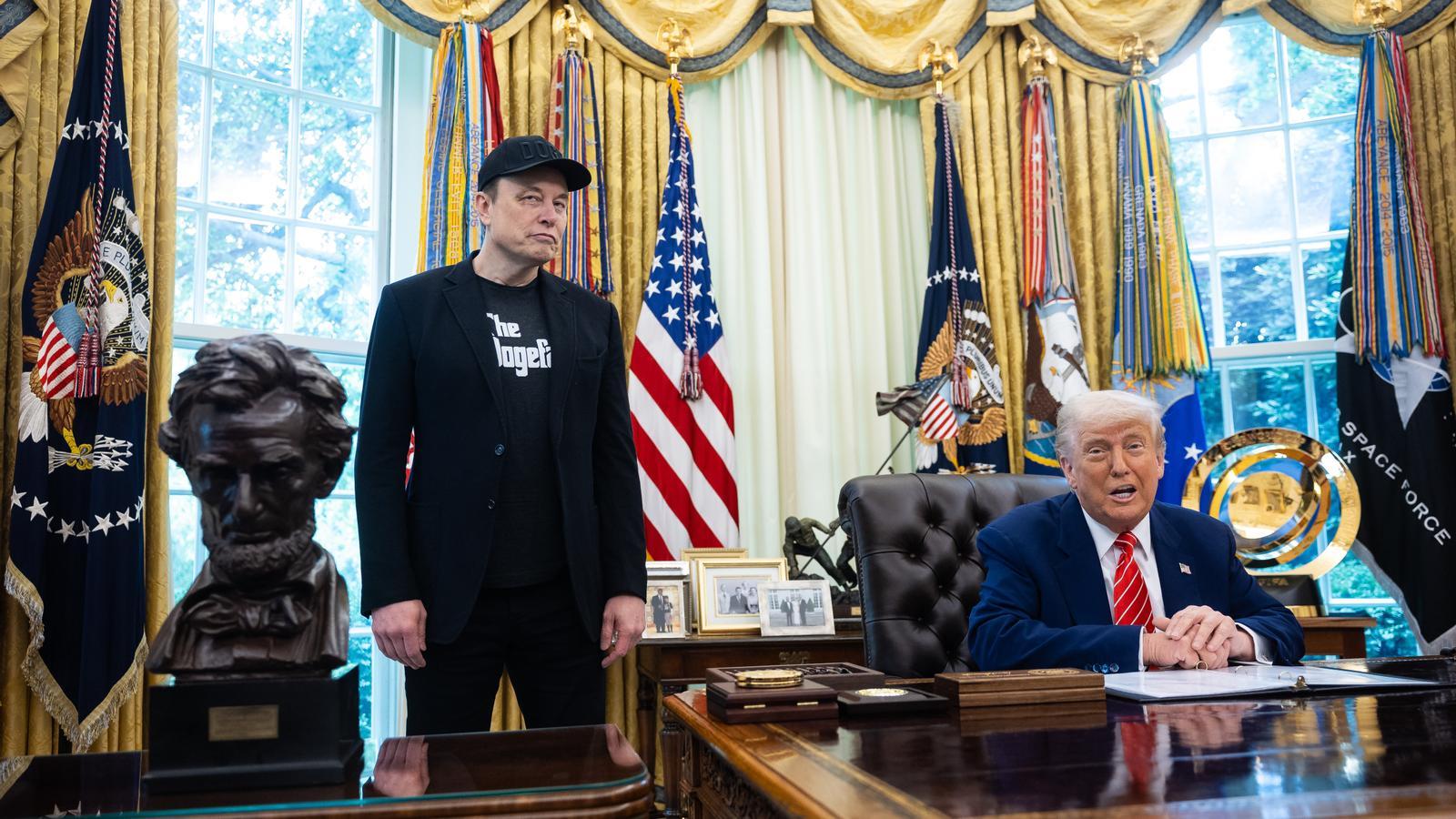
This accumulation of wealth, represented in the figure of Elon Musk, the richest man in the world and the first to have a net worth of a trillion dollars (there are countries that do not reach this level in their GDP), as well as owner of X, the former Twitter, "has disrupted the balance of power." And this translates into the power to direct multinationals and their decisions, such as when developing artificial intelligence (AI). These are issues that affect all of humanity but are managed by very few and from the private sector. And to this is added "the power to shape the dominant ideology through the purchase of newspapers, radio stations, television channels and social networks, and the power to influence public policies by financing election campaigns and candidates." It is like a kind of acid that "corrodes contemporary democracies," they warn.
Faced with this situation, the signatories of the manifest say that a "democratic international" is needed to defend general interests. A first step, they claim, should be a tax on the richest, combined with "the recovery of unpaid taxes from the past, more independence for the media and better protection for journalists against interference and censorship, as well as a new model of ownership, international and deprivatized, for AI companies."
Some of this advice is endorsed by other figures, such as Olivier Blanchard, former chief economist of the International Monetary Fund (IMF). But Blanchard adds that although taxation is an essential tool, "on its own it is not sufficient at all." And he points to other measures that should be implemented to reduce the risks posed by an oligarchy governed from Washington by US President Donald Trump, with corporate tax cuts and the dismantling of financial transparency for the benefit of oligarchs around the world, and an elite of tech magnates, willing to "cover the Earth with data centers that devour energy and water." His recipe includes reforming campaign financing, changing the governance of newspapers to favor journalists, and exercising much stricter control over social media algorithms.
