A center back like Cubarsí

Every time I hear on the radio “Yes or yes” (very common in sports information), I would show up at the station to personally remind them of two things. The first is that it is no longer funny: this rhetorical device of opposing two identical terms no longer surprises anyone and at this point it is more worn out than a sock. And the second is that in Catalan we have a genuine expression: “Tant sí com no”.
I believe that those of us who belong to a generation that heard natural Catalan spoken at home (the one spoken by the children of the last Catalan monolinguals) would do a great service to the language to the extent that we recovered for habitual use so many words and expressions that are victims of direct translation from Spanish (discounting obviously the “bussons” and the “asseres”). Starting with tant we also have the “Whether one likes it or not”, often replaced by a horrible “Like it or not”.
The gaire and the gens are delicacies threatened by molt and res. The cubell is eating the galleda, the use of preocupat is banishing the amoïnat, and the espatllat or the espifiat are stealing space from the esguerrat. At home they would scold me with a “Boy, don’t get so worked up”, and my grandmother spoke of her octogenarian friends as those “such lively girls”.
Whenever I have a second to think, I search through synonyms that have been part of my life for as long as I can remember. The other day, to a friend who was showing me the renovation of his house, I told him that it had turned out much better than the old, cramped apartment I remembered, and we both almost fell off our chairs.
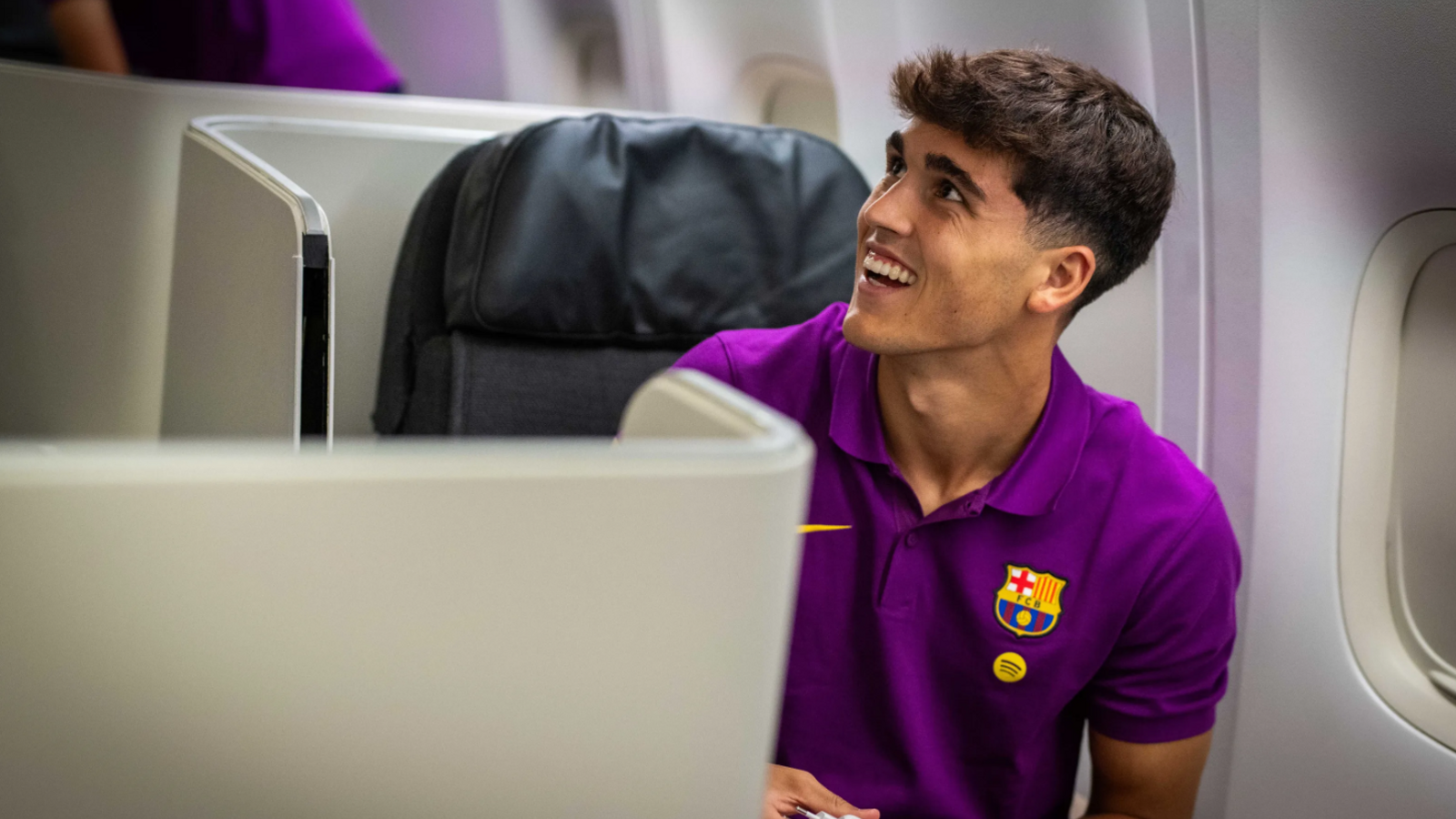
Therefore, when this summer I heard Pau Cubarsí saying after a match that he was "exhausted", I thought that the language needs central defenders like him.
