Salvador Illa, head of TV3 programs
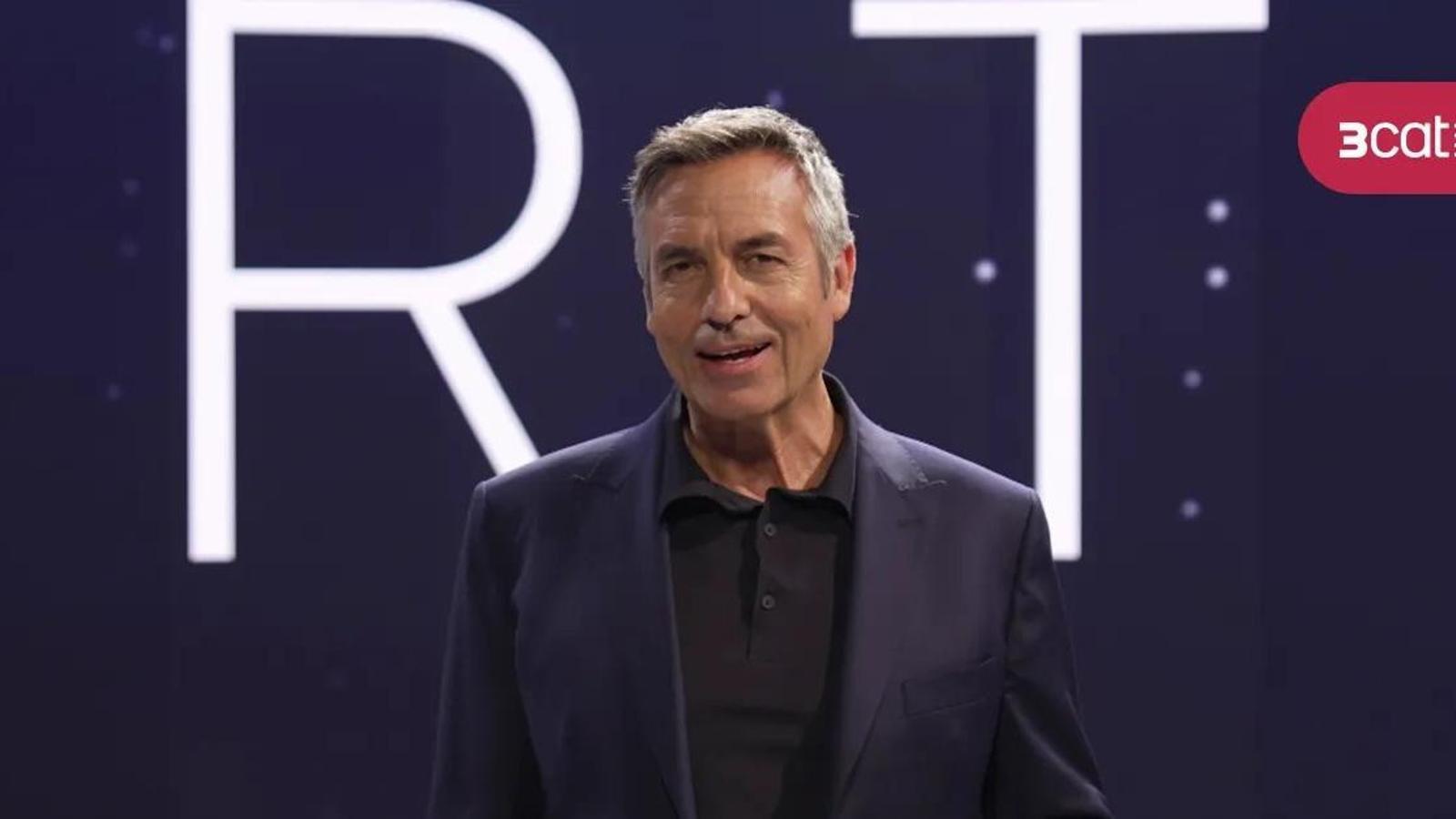

On Monday, Salvador Illa posted a tweet on the X network to protest against the approach of the program Vèrtex for having given a voice to anti-vaxxers and demanding responsibility for not putting public health at risk. The day before, Ramon Pellicer had introduced the debate on vaccination with a very fragile premise: “This week the flu and COVID vaccination campaign has begun, and we wanted to focus on the other side of this reality: that of the people who distrust vaccines.” The program turns a minority position into a counterpart to the vaccination campaign, endorsed by the journalistic cliché of “the other side of reality.” This other side perhaps does not justify so much attention. In any case, the video of the anti-vax couple they interviewed did not last more than three minutes, and they used very vague arguments. The man said that for him, smiles and hugs were more important for maintaining good health. They were not presented as experts, nor did they use a falsely scientific discourse. The program then dedicated four times as much time, twelve minutes, to refuting the anti-vaxxers' arguments with two expert professionals: Gemma Moncunill, lead researcher of the Caixa Research Institute group, and Judit Vall, professor of applied economics at the UB, to clarify aspects linked to the interests of pharmaceutical companies. Both insisted on the benefits of vaccines, and Moncunill stressed that it was advisable to get “all the vaccines recommended by the Generalitat.” A reporter provided statistical data that consolidated their explanations, including figures on the lives that vaccines save.
Vèrtex did not provide the data on the percentage of the population that is unvaccinated and whether it is negatively affecting the public health of Catalonia. Failing to do so can create the false alarm that the lack of vaccination is currently a problem. And if it is not a problem, perhaps there is no need to give a voice to anti-vaxxers.
Vèrtex stumbled because it is journalistically weak. It lacked editorial criteria. It had good guests, but it was more concerned with the appearance of news than with editorial judgment. Despite everything, the anti-vaxxers did not come off well, and science prevailed. Salvador Illa should not be alarmed, and he only needs to trust in the critical spirit of the viewers who watched the program.
What is perhaps most delicate is the blunt tweet from President Illa. To what extent is it appropriate for the President of the Generalitat to scrutinize the editorial decisions of a news program? Acting as head of programming, he has created a precedent and now it will be necessary to establish when he will intervene and when he will remain silent regarding the future content, purposes, and blunders of TV3. From now on, even his silence will have an interpretation. On the other hand, a government that demands responsibility from public television will have to be excellent when it comes to guaranteeing its independence.

