Cheating nostalgia of 1976

-
CAT -
CAST
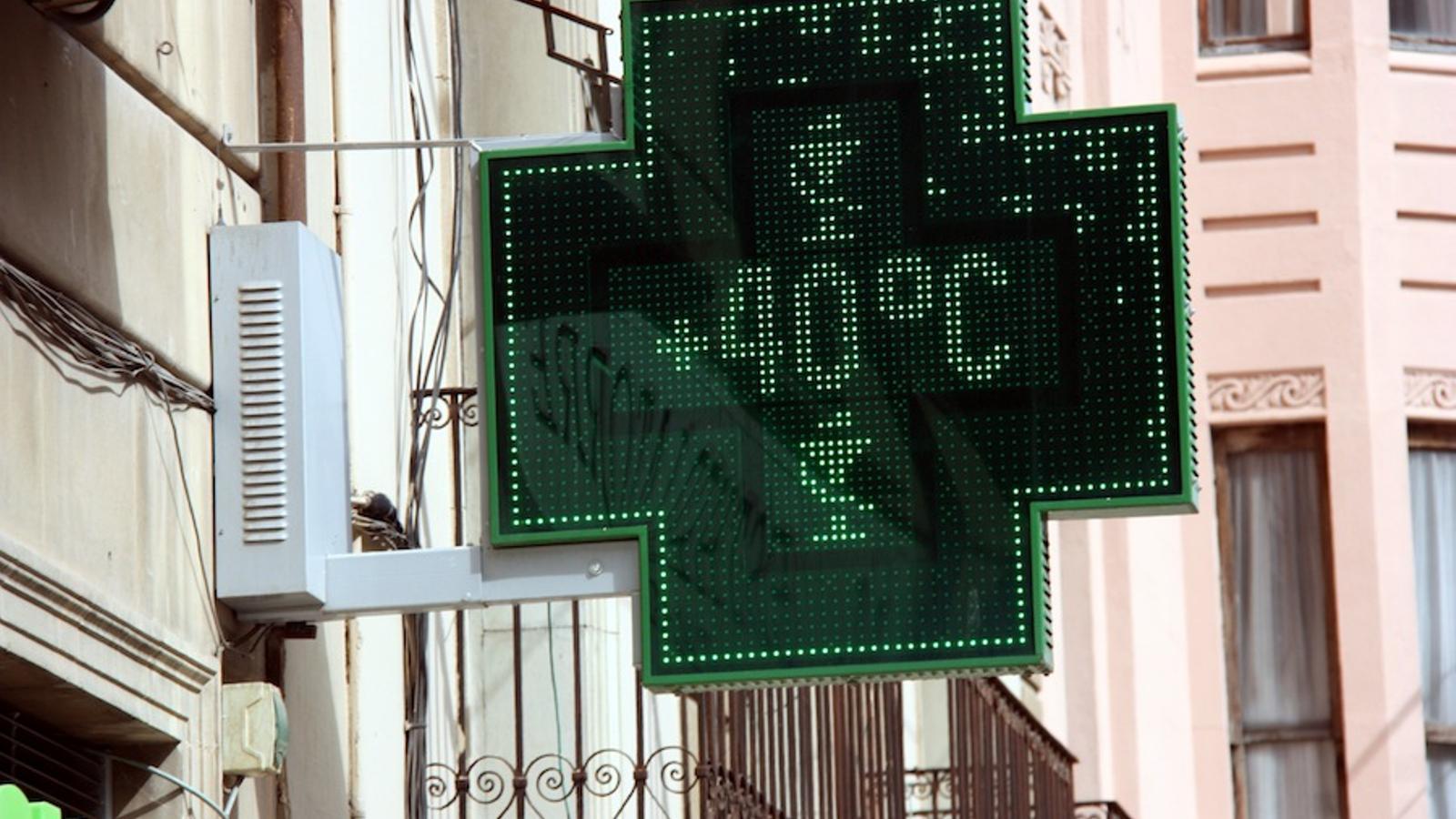
Among climate deniers, a very stubborn strain is the one that clings to a particularly hot summer in the past to say that, you see, it has always been hot, some years less, some years more. This is not only done by the stereotypical brother-in-law caricature – brilliantly portrayed by Jordi Soriano in "Polònia" – but also by supposedly serious media outlets that subscribe to this practice. This is the case with the Telegraph, which has been on a worrying downward trend for some years. The United Kingdom is experiencing a hellish week by its standards, with temperatures exceeding 37 degrees, and the newspaper published an article titled “The heatwave hysterics wouldn’t have lasted a day in 1976”. They have chosen to highlight what was a particularly fiery summer to deny climate change, despite the avalanche of data suggesting that, beyond a specific record, the temperature is increasing at lightning speed. In fact, the five hottest summers, globally, are not that 1976, but all belong to the 21st century. And in the 30 years between 1970 and 1999, there were only three summers in which Britons exceeded 35 degrees, while in the 26-odd years we have had since then, there have already been nine in which this temperature has been reached. The same Telegraph, when the historic record of 40.3 degrees was broken in Coningsby in 2022, it rushed to publish an article saying that there were also scorching summers in the Edwardian era. Or we could also talk about that cover of The Spectator from 2019, which showed a drawing of planet Earth having a drink on the beach, with the headline “Relax, global warming is a myth”.
The media have an obligation to include all voices in a debate, but there is an essential cut-off point: methodological rigor. Otherwise, we are passing off intoxication as plurality. There are former ghost hunters who are making a killing on television by exploiting this confusion.
