1. Maintain good hydration. They must have fresh, clean water available 24 hours a day.2. Ensure they have a place where they are protected from the sun. You can cool the environment with a fan or air conditioning, if you have them.3. Wet them to cool them down and if they like water and you have outdoor space, you can put a small pool in a shaded area for them to cool off.4. It is important to maintain good hygiene and brush their coat often to remove excess hair. If you take them to get their hair cut, make sure it is long enough to protect them from the heat and sunburn.5. If the heat causes them to have less appetite, adapt meal times to the cooler hours.
Tips for cats and dogs to spend the summer without surprises
These animals manage heat quite poorly, that's why it's necessary to be clear on how to act to avoid scares like dehydration or heatstroke
26/07/2026 - 07:59 h

-
CAT -
CAST
Heat waves don't just affect humans. High temperatures, humidity, and tropical nights can also take a toll on our pets, which is why it's important to adapt their environment and daily activities so they can get through the summer in the best possible way. As veterinarian Jaume Martínez, from the El Masnou Veterinary Center, explains, who has been dedicated to looking after the health of pets for nearly forty years, heat, "if they didn't live with us, they would experience it very well, because they would be still during the day, they wouldn't do anything, they would be in the shade, in a cool place. And even more so for cats, who are specialists in finding the coolest place to shelter". As Martínez reflects, they would spend the day resting, trying to hydrate themselves when they could, "and it's at night that they would be more active: they would go to eat, they would go hunting, they wouldn't be making useless efforts". With us it's different: "Things change because we, obviously thinking of dogs, take them for walks in places that can be asphalted or with surfaces that get very hot, and this makes them suffer from the heat in a very different way".
Starting from this premise, then, the veterinarian has a very clear first recommendation: "We must always avoid them doing activity during the hottest hours of the day, and if we want to go out with our dogs, we must do it first thing in the morning or in the late afternoon". In this regard, he recalls that dogs reduce their temperature poorly and that they need to drink much more than us, "that's why when we go out we must bring enough water for them and make sure we have water nearby to wet them". "We must also consider that we wear shoes and they don't, and that it's better to avoid surfaces that get very hot, like asphalt, which can reach over sixty degrees and cause them burns". In the case of cats, Jaume Martínez acknowledges that it's a bit easier to manage very hot days, "since they are skilled at finding their comfort zone. However, the important thing is that they have fresh water available".

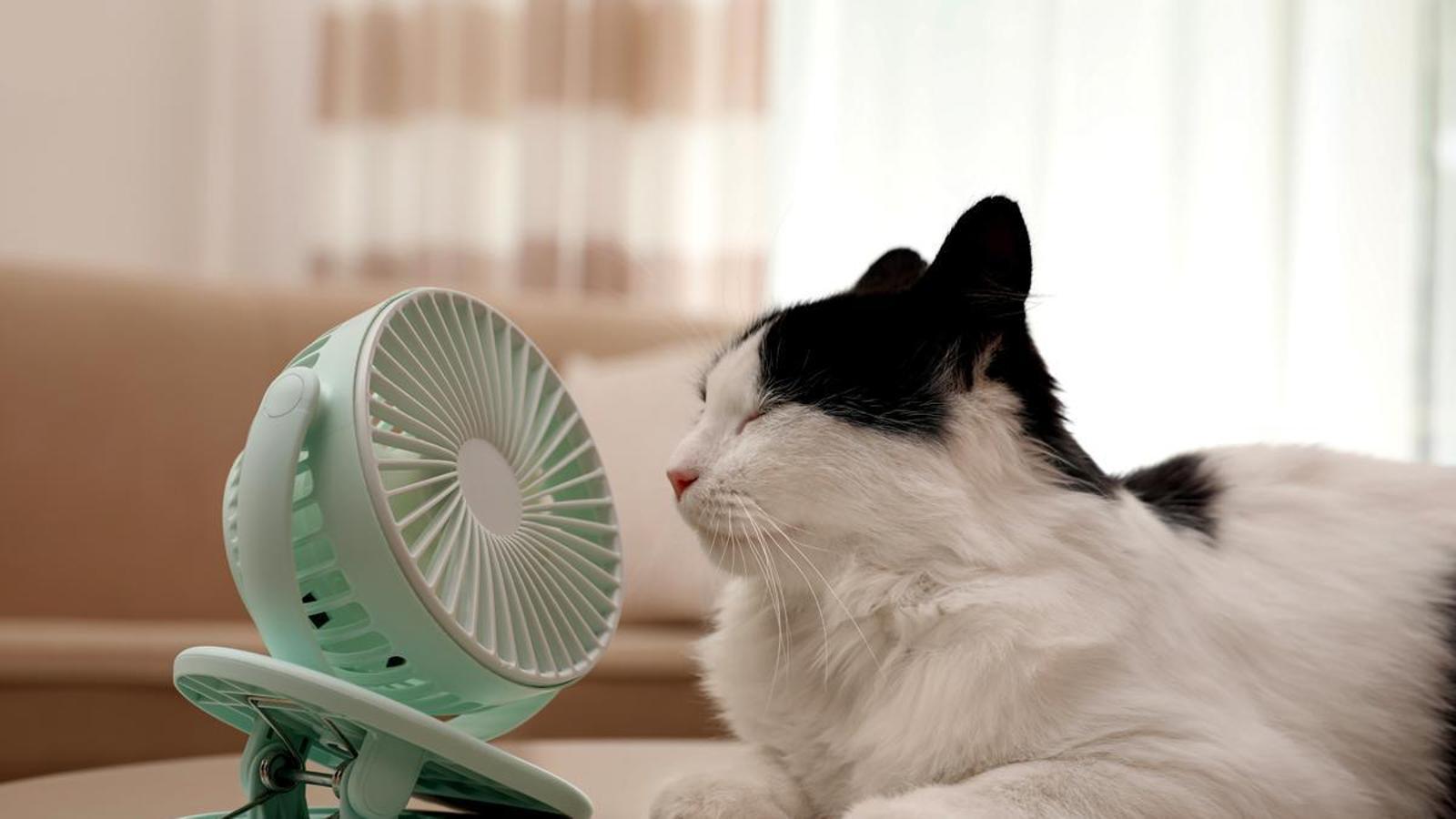
Heat can also lead to some behavioral changes, and we shouldn't be surprised if they are more apathetic and less inclined to do things. It will depend on the breed, but we shouldn't be surprised if they show little interest when we suggest going out. As the veterinarian, a specialist in sporting dogs, explains, it is common for them to exhibit "avoidance behaviors, meaning they try not to do anything." And how can we detect that they are suffering excessively from the heat? Often, in the case of dogs, explains Martínez, people see them panting all day and take it as if they were tired, but in reality, they are sweating, and this indicates they are very hot. In the case of cats, we can see it when we find them still and panting with their mouths open. To help them, the best thing is to facilitate airflow or place a fan to help change the temperature, because "they regulate heat by increasing their respiratory rate, taking in air and expelling it quickly." "This way, they cool their rib cage and, by contact, the rest of their body." In the case of dogs, another sign that indicates they are very hot is when we see them drooling from their tongue. Regarding cats, you may notice that they become nervous and start panting or salivating excessively, or even trembling, vomiting, or having gums of a darker and more intense color than normal. In the face of any warning sign, consult the veterinarian quickly.
There are dog breeds that suffer even more from the heat, "all those considered derived from brachycephalids (those with short snouts), which have much more difficulty exchanging temperature, as they have more respiratory problems and greater difficulty cooling their bodies," explains Jaume Martínez. And we must not forget that other aspects influence heat management, such as age, weight, and physical condition. In any case, it can make us suspect that something is wrong "if they open their mouths and never close them and have their tongues out and you see their whole throat open without movement." "In this case, it will be necessary to cool their groins with fresh, not cold, water, wrap them in a towel wet with cold water, and take them quickly to the veterinarian," he relates. Regarding cats, those at greater risk of suffering heatstroke are those with flat faces, senior cats, obese cats, and those suffering from heart disease or respiratory problems.
Finally, regarding the activities we can do with dogs in the summer, the veterinarian suggests opting for water activities, if they like water, but without forgetting that even though dogs are usually excellent swimmers, some do not swim well and get tired easily. "In these cases, it would be good to put a flotation vest on them so they don't get so tired and don't expend so much energy," he concludes.
Tips if you live with a dog
Recommendations if you live with a cat
1. Always ensure they have fresh water available. A fountain with continuous movement is even better.2. Provide them with cool, shaded resting spots within the house. Try to keep the indoor environment as cool as possible, and if you use air conditioning, avoid directing the airflow directly at them.3. Respect their rest. Cats are less active in hot weather, so it's good to avoid intense play sessions or letting your cat go outside when it's very hot.4. Continue with regular brushing, as it's normal for them to shed more fur during this time. If they have very long fur, it can be trimmed slightly on the armpits and belly, but always ensuring this doesn't stress them.5. If it's very hot, you can cool them down with damp towels from head to back.
Traveling with pets
If you travel with your pets in the summer, there are a few things to keep in mind. For cats, if you're only going away for a few days, the CV el Masnou veterinarian recommends that "unless they are very used to traveling, it's better for them to stay at home and for someone trustworthy to check on them daily." "We can use automatic feeders and we must ensure they always have access to fresh water. The litter box will also need to be cleaned to prevent them from getting stressed." However, if we take them with us and travel by car, we must ensure that the cabin is cool and never leave them in the car, even if it doesn't seem very hot. With dogs, it's more or less the same regarding precautions in the car, and other aspects to consider are added, such as making the recommended stops for them to relieve themselves, using approved restraint systems, carrying the necessary documentation wherever we go, and ensuring they are properly vaccinated.
