When not all children are invited to birthday parties
The problem is the situation that this can generate: at the exit from school or with extracurricular activities, some children leave together for the party and others are left behind
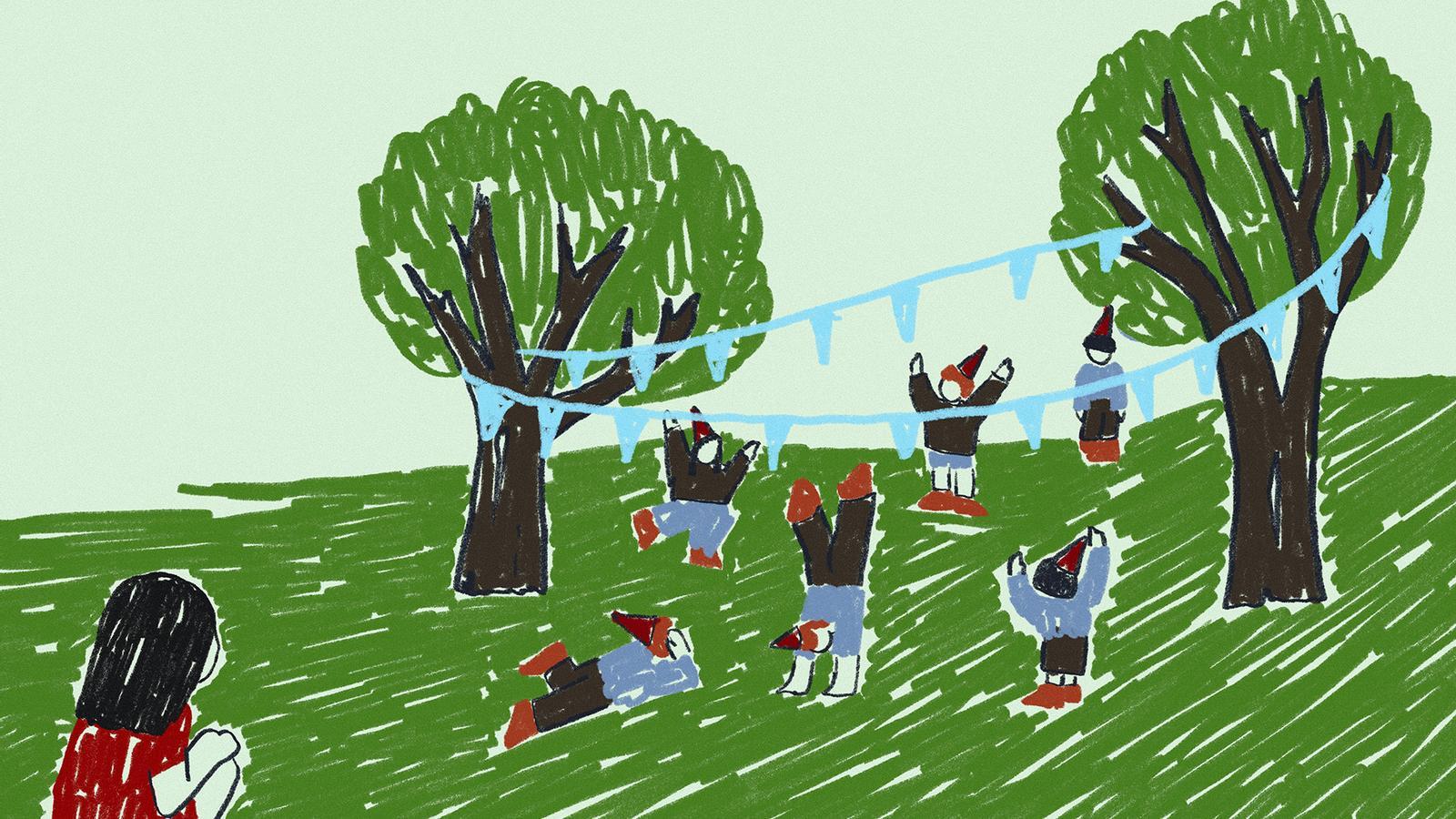
GironaYesterday our four-year-old daughter went to her first birthday party. Her first. And it wasn't just any party: it was her best friend's. She had been talking about it for a week, excited, counting down the days, imagining that moment with immense enthusiasm.
We went with reluctance. Not because we didn't want her to go, but because we knew perfectly well that not the whole class was invited. And that, at certain ages, is a cruelty that we adults often disguise as normal. Yes, thanks to WhatsApp groups, today we all know too much, and too soon.
We are talking about very young children. Delicate ages. Stages where children must be protected, cared for emotionally, and situations that make them feel excluded, singled out, or less important must be avoided. We are not talking about teenagers who already better understand certain social dynamics. We are talking about four-year-old children.
What message are we sending our children?

What message are we sending to our children?
What message are we sending to our children? We demand that the school educate in respect, in inclusion, in coexistence, in the importance of the class group. We ask teachers to work on bonds, to protect the most vulnerable, to help create community. But then, we families are the first to dynamite it outside the classroom with practices that leave children excluded in a public and painful way.
No, not everything goes to make it a private party. Not when the impact falls directly on small children who are still learning what it means to be part of a group. Not when the wound of being left out is carried by them, not the adults.
Perhaps some will think we are exaggerating. I believe we too often trivialize childhood pain just because they don't always know how to express it. Not all children verbalize it. Not all cry. Not all complain. But it's there. And the fact that a child is "easy" or doesn't make comments doesn't mean they don't feel anything.
That's why we're clear: from now on, none of our children will go to a party where all the children in the class are not invited. They will surely be angry with us, but we will explain it to them and I think they will eventually understand and agree with us. Because in childhood, it's either all or none. Wanting to protect children is not exaggerating. It is educating with coherence.

