Who could be Iran's new supreme leader?
Mojtaba Khamenei, the son of the assassinated leader, appears to be well-positioned, but former president Hassan Rouhani is also being mentioned as a more moderate option.


-
CAT -
CAST
BarcelonaThe arguments put forward by the United States and Israel to justify the war against Iran since launching the joint operation on Saturday have been confusing and shifting. The main argument seemed to be the imperative need to prevent the Iranian regime from developing a nuclear bomb. But the announcement of the assassination of the supreme leader, Ali KhameneiOn Saturday, he already hinted that the objectives went further and that the goal was also—or perhaps primarily—regime change, something hardly surprising after the recent precedent of Venezuela. In the last few hours, Donald Trump has made this perfectly clear: he has argued that he himself must be "involved" in the selection of Iran's new supreme leader, "like with Delcy (Rodriguez) in Venezuela," and has said that "there will be no deal with Iran other than surrender."
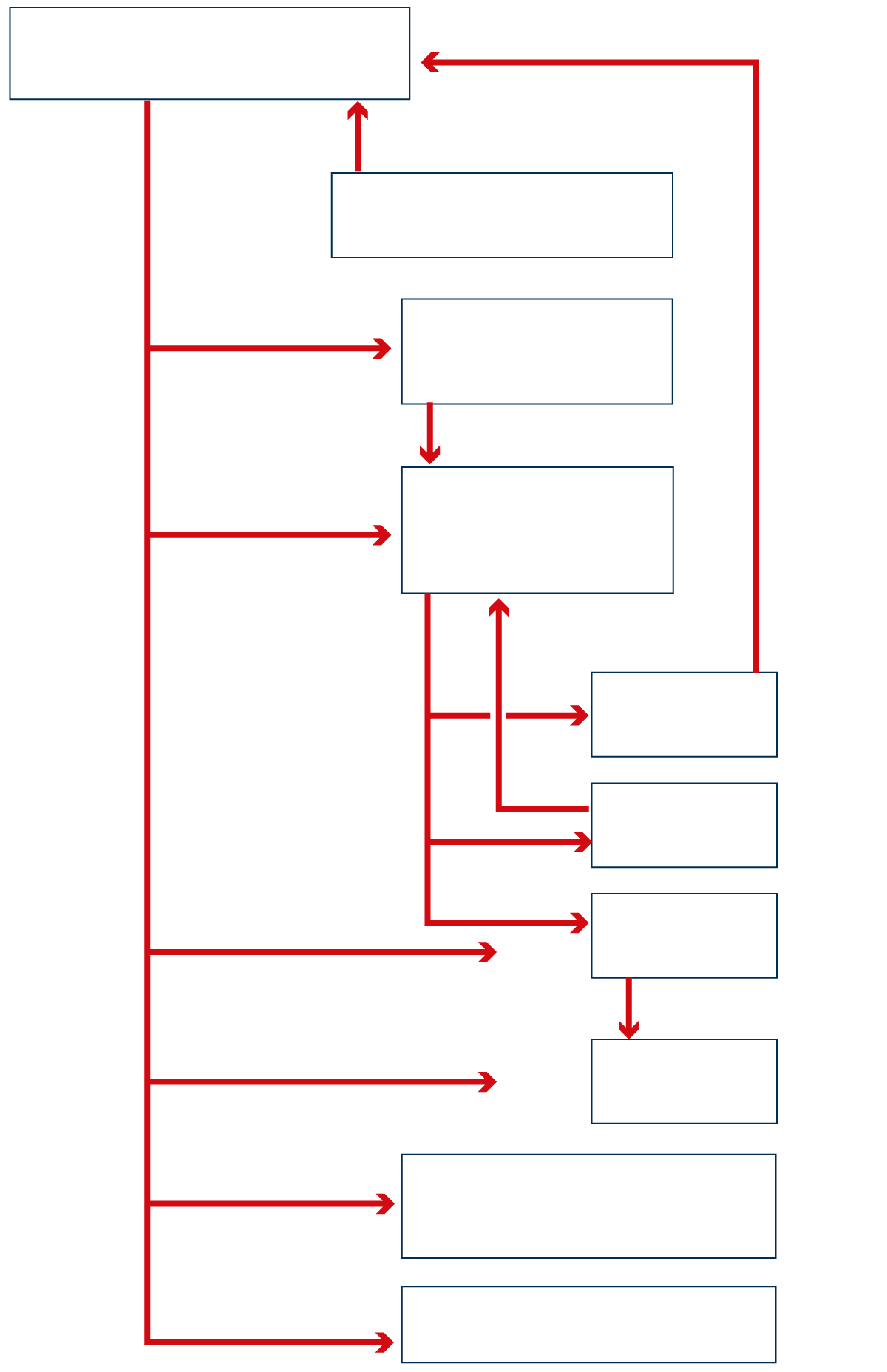
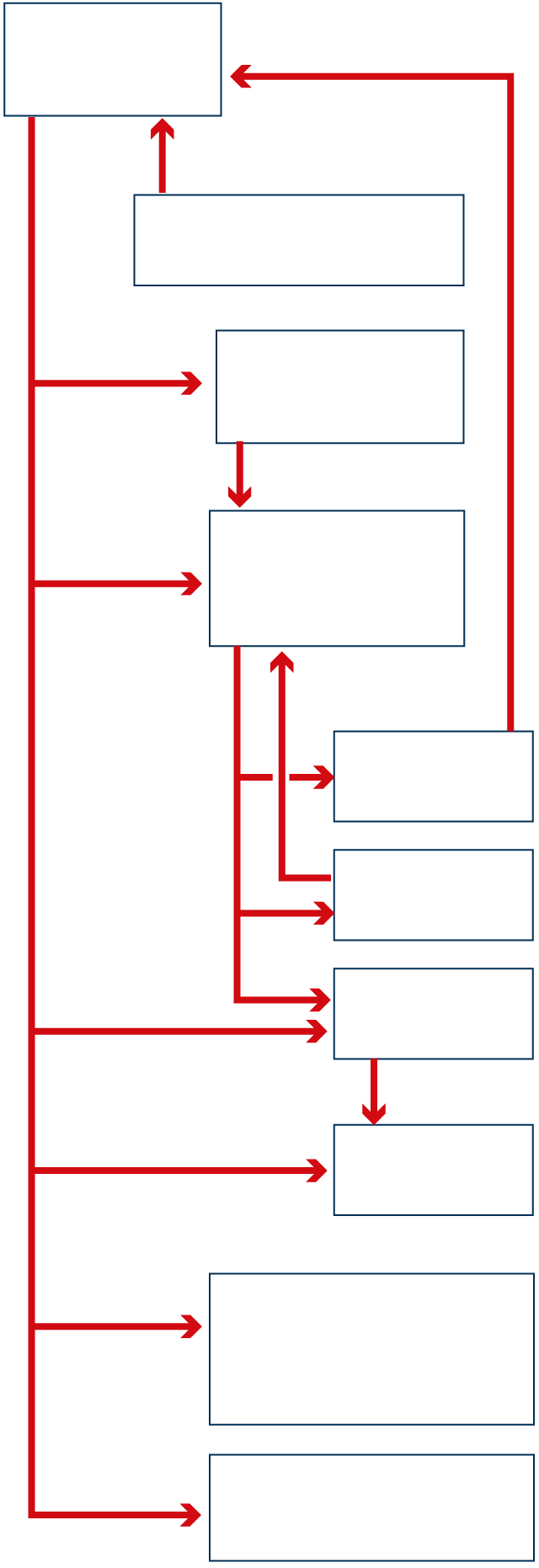
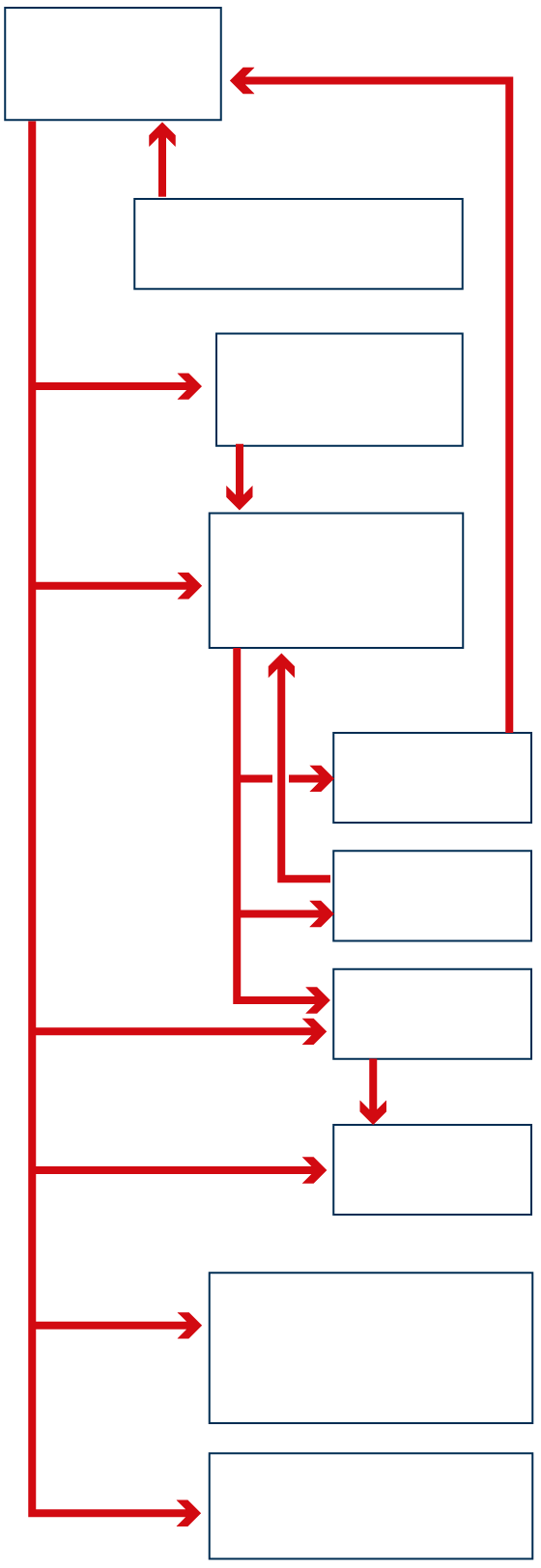
In interviews given this Thursday to Reuters and Axios, Trump referred to one of the men most frequently mentioned in recent days as a possible successor: Mukhta Khamenei, son of the assassinated supreme leader. But he was quick to emphasize that "it would not be acceptable" and suggested that if there is no leader to the liking of the United States, they will intervene whenever necessary to gradually dismantle the regime. The assassination of Ali Khamenei, who had concentrated political and religious power in Iran since 1989, has opened a transition process unprecedented in the history of the Islamic Republic. Hours after acknowledging his death, the regime announced the activation of the mechanism provided for in Article 111 of the Constitution, which establishes the immediate formation of a provisional council to temporarily assume all leadership functions. The interim council is composed of the country's president, Masoud Pezeshkian; the head of the judiciary, Gholam-Hussein Mohseni Ejei; and a member of the Guardian Council, in this case, Ayatollah Alireza Arafi.
Líder suprem
Màxima autoritat política i religiosa
nomena i supervisa
assessora
Consell Superior de
Seguretat Nacional
Cos judicial
Tribunal Suprem i
tribunals inferiors
nomena
suggereix juristes
Consell de Guardians
6 clergues i 6 juristes
nomena els clergues
aprova juristes
Assemblea
d’Experts
Aprova els
candidats
Parlament
supervisa
President
nomena
aprova
Govern
Consell de Discerniment
Media entre el Parlament i
el Consell de Guardians
nomena
Forces armades
Exèrcit i Guàrdia Revolucionària
comanda
Líder suprem
Màxima autoritat
política i religiosa
nomena i supervisa
assessora
Consell Superior de
Seguretat Nacional
Cos judicial
Tribunal Suprem i
tribunals inferiors
nomena
suggereix juristes
nomena els
clergues
Consell de Guardians
6 clergues i 6 juristes
aprova juristes
Assemblea
d’Experts
Aprova els candidats
Parlament
supervisa
President
nomena
aprova
Govern
Consell de
Discerniment
Media entre el Parlament i
el Consell de Guardians
nomena
Forces armades
Exèrcit i Guàrdia
Revolucionària
comanda
Líder suprem
Màxima autoritat
política i religiosa
nomena i supervisa
assessora
Consell Superior de
Seguretat Nacional
Cos judicial
Tribunal Suprem i
tribunals inferiors
nomena
suggereix juristes
nomena els
clergues
Consell de Guardians
6 clergues i 6 juristes
aprova juristes
Assemblea
d’Experts
Aprova els candidats
Parlament
supervisa
President
nomena
aprova
Govern
Consell de
Discerniment
Media entre el Parlament i
el Consell de Guardians
nomena
Forces armades
Exèrcit i Guàrdia
Revolucionària
comanda
Since the 1979 revolution, Iran has had only two supreme leaders: Ruhollah Khomeini and Ali Khamenei. The Assembly of Experts, the body responsible for choosing the supreme leader, is composed of 88 men, including clerics and jurists. The day after Khamenei's assassination, Iranian Foreign Minister Abbas Araghchi said it would be a swift process. He even said there could be a new supreme leader in "a day or two." On Tuesday, Israel claimed to have attacked the headquarters of the Assembly of Experts in the city of Qom. Although they were not meeting at the time, this further underscores that—under the current conditions, with the regime aware that it is heavily infiltrated by Israeli and US intelligence—it is virtually impossible for 88 high-ranking members to meet under one roof without exposing themselves to another attack.
Possible candidates
Following the Twelve-Day War between the US and Israel against Iran in June of last year, some media outlets reported that Khamenei had named three potential successors. The list has never been made public, but several names have circulated in recent days.
Mojtaba Khamenei
According to several media outlets and experts, the best positioned to replace Khamenei was President Ebrahim Raisi, until his death in a helicopter crash in May 2024 while in office. Suzanne Maloney, an Iran expert in the think tank The Brookings Institution, in an article for the Council on Foreign Relations (CFR), points out that the only remaining prominent candidate is Mujtaba Khamenei, the second son of the late Supreme Leader. However, it notes that his election could be controversial, "given his lack of formal administrative experience, his modest theological credentials, and the regime's aversion to any suggestion of hereditary rule."
Mujtaba Khamenei, 56, would represent a choice of continuity and an unequivocal gesture to counter Trump, given that he is the only name Trump has explicitly vetoed. Khamenei, a hardline mid-ranking cleric, has close ties to the Iranian Revolutionary Guard and is one of the most influential figures in the clerical establishment. For years he has been considered one of the leading candidates to succeed his father, although some reports indicate that he was not on his father's list of potential successors. His supporters argue that his close ties to the security apparatus make him the only candidate capable of maintaining order during open warfare.
Alireza Arafi
At 66, Alireza Arafi is less internationally known than many other Iranian clerics. However, his career has been marked by steady advancement during the regime of Ali Khamenei, who entrusted him with several influential positions. In fact, he is considered ideologically aligned with Khamenei's view that governance should be based on the full application of Shia Islamic jurisprudence. Despite his limited direct political experience, he wields significant influence due to the various positions of power he holds. Specifically, Arafi is the director of Iran's national system of Islamic seminaries, a member of the Guardian Council of the Constitution—the body with veto power over laws and electoral candidates—and also a member of the Assembly of Experts, the body that appoints the leader.
Alternatively, the regime could opt for a more moderate figure to try to regain public support after the protests and brutal government crackdown earlier this year, and perhaps also to appease Washington. According to Suzanne Maloney, one option would be "to rehabilitate the moderate or reformist factions, which support the regime but advocate for expanding social and political freedoms and economic opportunities." The expert states that one name that could be mentioned is Hassan Khomeini, the grandson of the Islamic Republic's founder, Ruhollah Khomeini. Khomeini, 53, is a moderate cleric with ties to the reformist wing, advocating for social freedoms and a diplomatic de-escalation with the West, which makes it likely that he could be vetoed by the more radical members of the Assembly of Experts.
Also included in this reformist line is the name of former president Hassan Rouhani (2013-2021), a moderate cleric and doctor of law, with extensive political experience and in-depth knowledge of the regime's apparatus. Between 2003 and 2005, Rouhani, 77, led the Iranian delegation in nuclear talks with Europe and earned a reputation as a "pragmatic" negotiator. In 2015, he signed the nuclear agreement that was followed by the lifting of US sanctions on Iran. With the dominance of conservative positions in Iranian politics in recent years, Rouhani was gradually marginalized. According to Reuters, the Guardian Council barred him from running for reelection to the Assembly of Experts. After the war last June, Rouhani reappeared to campaign publicly for political and institutional reforms to restore stability to the country.

