How to redirect educational disagreement

-
CAT -
CAST
Tension cannot be maintained indefinitely. The teachers' vote against the agreement reached by the unions and the Government must give way to a new phase. It is urgent to find a way out that does not involve union confrontation.
The rope had been stretched very tight, and tempers were – and are – very heated. Lowering the tension is everyone's job. The teaching collective has maintained an intense and extensive mobilization, and will end the course this way. This can no longer be fixed. For the moment, the Minister of Education, Esther Niubó, has said that, despite the vote, she maintains the agreement reached with the unions and has called for collective reflection.
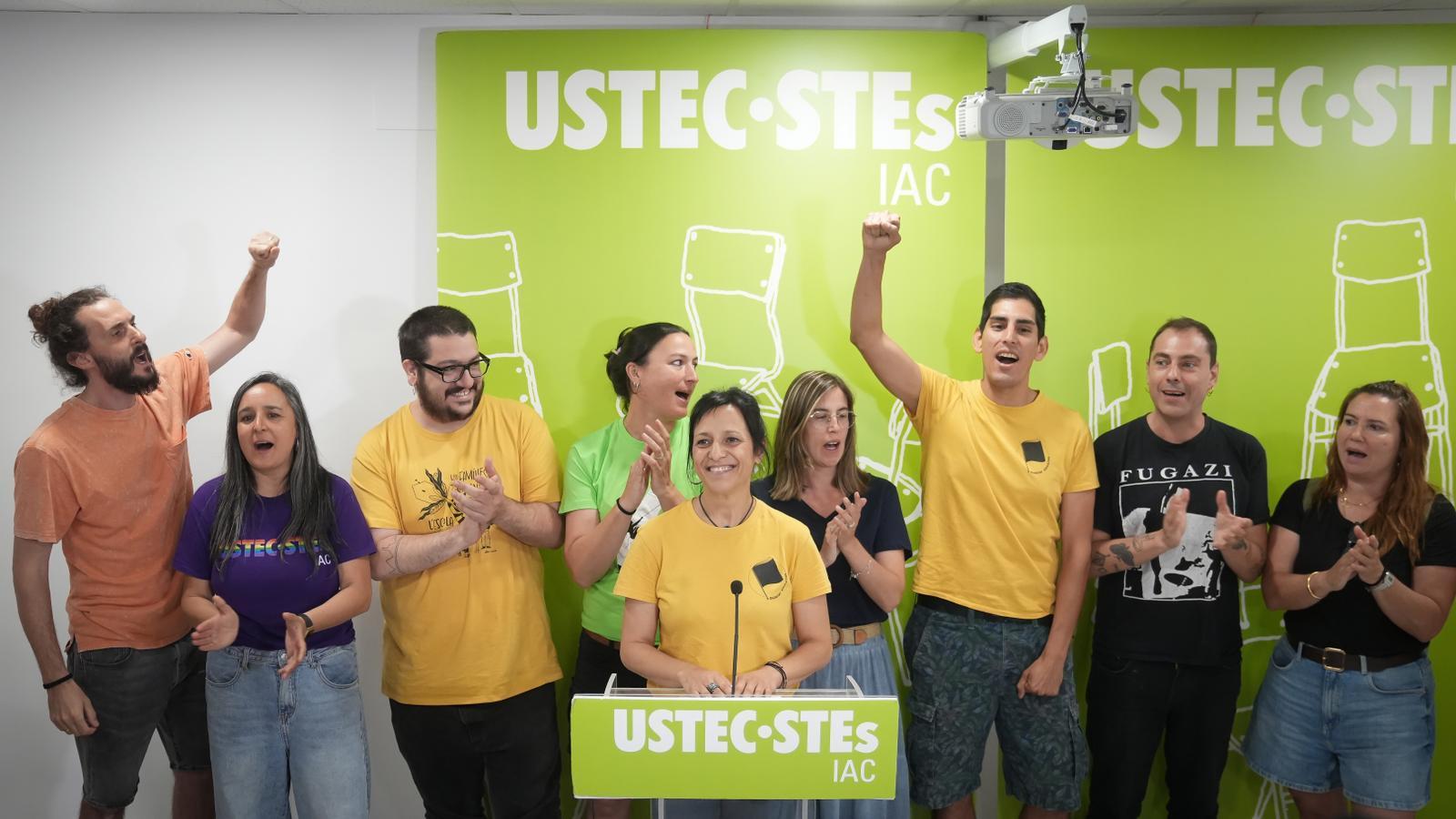
This creates a problem especially for USTEC, the majority union, which, on the one hand, had led the protests and, on the other, had finally opted for a pre-agreement that clearly improved what the minority unions UGT and CCOO had signed weeks earlier. Suddenly, however, USTEC has been overwhelmed by the teachers themselves. Who will lead the movement from now on? With what program and with what objectives? Members of the Teachers of Secondary Education union have voted affirmatively for the agreement. And CGT remains at one extreme. The protest, therefore, is decapitated and takes an uncertain course.
Seen from the outside, it will be difficult for citizens to understand the refusal expressed by the teachers, when they had achieved an unprecedented salary increase – 600 euros gross per month more in the next four years: it is difficult to recall such a large gain in any other sector – and an equally substantial reinforcement of general conditions: 6,400 new positions in the system in the next four years and the call for 5,000 secondary professorships between 2027 and 2028. All of this is guaranteed in principle. The department assures that it will move forward with it. It is a response that moves away from the logic of confrontation.
The point is that, until now, there has been a lot of talk about money and conditions and little about education and pedagogy. Or, at least, agreements have been reached that are more quantitative than qualitative. It is in the qualitative field, therefore, where there is still ground to cover. But it is a path that should be channelled through professional bodies and associations. It's time to change the terms of the game. An important step forward has been made in salaries and resources. Now, as also demanded in the streets, it is time to delve into the problems and possible solutions to improve a system that isn't working. If this is what professionals are demanding when they criticise the agreement, then indeed there is a lot to say. However, a fundamental change can only be pushed forward through dialogue, building common ground, turning the page on the dynamic of good guys and bad guys. Neither is the administration to blame for everything nor are there any magic solutions.
The parenthesis of the summer holidays, which are just around the corner, should serve to reframe the protest and debate in these terms. And, therefore, to start talking, seriously and sensibly, without noise, about methods, knowledge, projects, inclusion, centre autonomy, curricula, school dropout, artificial intelligence, equity, talent, extracurricular activities, canteens, the role of families... Certainly, there is a lot to talk about. This is where the focus needs to be placed.
