The Iranian regime begins the path to survival without leader Khamenei
To avoid a power vacuum, Tehran establishes a transitional government with the president, an ayatollah, and the head of the judiciary.


-
CAT -
CAST
BeirutOn Sunday morning, in the holy city of Qom, a red flag slowly rose above the dome of the Jamkaran Mosque. The crimson cloth, which in Shia tradition symbolizes spilled blood and a call for revenge, was raised just hours after Iranian authorities confirmed that Ali Khamenei, supreme leader since 1989, was killed on Saturday during a series of US and Israeli airstrikes targeting Iranian targets. State television interrupted its regular programming to broadcast Quranic verses and funeral music, while the government declared 40 days of national mourning and a seven-day lockdown. Israel claimed responsibility for the attack on Sunday.
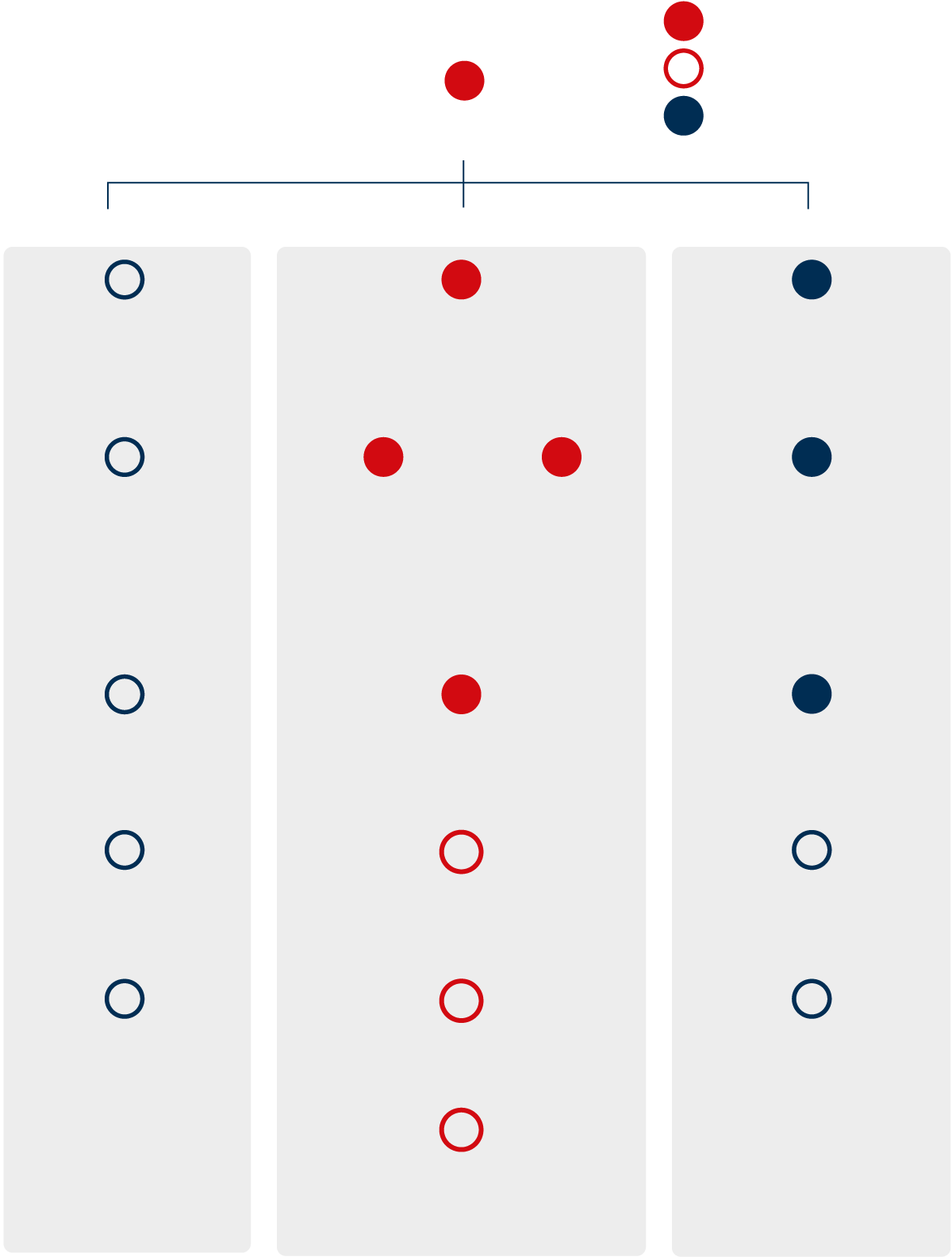
Morts confirmats
Morts segons Israel
Ali Khamenei
Líder suprem
Membres del consell del
govern de transició
ALTRES LÍDERS
CERCLE PROPER
DEFENSA
Ali Larijani
Secretari del Consell Suprem de Seguretat Nacional
Ali Shamkhani
Cap del Consell de Defensa
Nacional
Masoud Pezeshkian
President
Gholam-Hussein
Mohseni Ejei
Cap del poder judicial
Mohammad
Bagher
Ghalibaf
Portaveu del
Parlament
Mohammad
Pakpour
Comandant en
cap de la Guàrdia
Revolucionària
Aziz
Nasirzadeh
Ministre de
Defensa
Mojtaba Khamenei
Fill d'Ali Khamenei
Sayyid Abdolrahim Mousavi
Cap d'estat major de les
Forces Armades
Alireza Arafi
Clergue del Consell
de Guardians
Yahya Rahim Safavi
Assessor
Mohammad Shirazi
Cap de l’oficina militar
Mohammad Movahedi
Cap de l’Assemblea
d’Experts de l’Iran
Hassan Khomeini
Net del fundador de la
República Islàmica de
l’Iran
Ali Asghar Hejazi
Assessor
Salah Asadi
Cap de la intel·ligència
Hassan Jabal Amelian
Cap del programa avançat
d’armes de l’Iran
Morts confirmats
Membres del
consell del govern
de transició
Morts segons Israel
Ali Khamenei
Líder suprem
CERCLE
PROPER
ALTRES
LÍDERS
DEFENSA
Ali Shamkhani
Cap del Consell de
Defensa Nacional
Mohammad
Pakpour
Comandant en
cap de la Guàrdia
Revolucionària
Aziz
Nasirzadeh
Ministre de
Defensa
Sayyid Abdolrahim Mousavi
Cap d'estat major de les
Forces Armades
Mohammad Shirazi
Cap de l’oficina militar
Salah Asadi
Cap de la intel·ligència
Hassan Jabal Amelian
Cap del programa avançat
d’armes de l’Iran
ALTRES LÍDERS
CERCLE PROPER
Ali Larijani
Secretari del Consell Suprem de Seguretat Nacional
Masoud Pezeshkian
President
Gholam-Hussein
Mohseni Ejei
Cap del poder judicial
Mohammad Bagher
Ghalibaf
Portaveu del
Parlament
Mojtaba Khamenei
Fill d'Ali Khamenei
Alireza Arafi
Clergue del Consell
de Guardians
Yahya Rahim Safavi
Assessor
Mohammad
Movahedi
Cap de l’Assemblea
d’Experts de l’Iran
Ali Asghar Hejazi
Assessor
Hassan Khomeini
Net del fundador de la República Islàmica de l’Iran
Morts confirmats
Membres del
consell del
govern
de transició
Morts segons Israel
Ali Khamenei
Líder suprem
CERCLE
PROPER
ALTRES
LÍDERS
DEFENSA
Ali Shamkhani
Cap del Consell de
Defensa Nacional
Mohammad
Pakpour
Comandant en
cap de la Guàrdia
Revolucionària
Aziz
Nasirzadeh
Ministre de
Defensa
Sayyid Abdolrahim Mousavi
Cap d'estat major de les
Forces Armades
Mohammad Shirazi
Cap de l’oficina militar
Salah Asadi
Cap de la intel·ligència
Hassan Jabal Amelian
Cap del programa avançat
d’armes de l’Iran
ALTRES LÍDERS
CERCLE PROPER
Ali Larijani
Secretari del Consell Suprem de Seguretat Nacional
Masoud Pezeshkian
President
Gholam-Hussein
Mohseni Ejei
Cap del poder judicial
Mohammad Bagher
Ghalibaf
Portaveu del
Parlament
Mojtaba Khamenei
Fill d'Ali Khamenei
Alireza Arafi
Clergue del Consell
de Guardians
Yahya Rahim Safavi
Assessor
Mohammad
Movahedi
Cap de l’Assemblea
d’Experts de l’Iran
Ali Asghar Hejazi
Assessor
Hassan Khomeini
Net del fundador de la República Islàmica de l’Iran
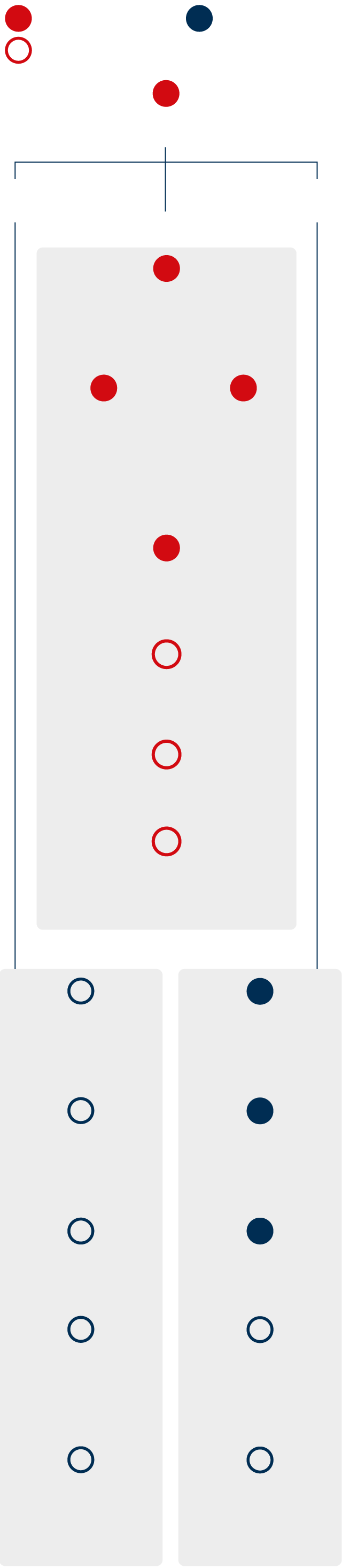
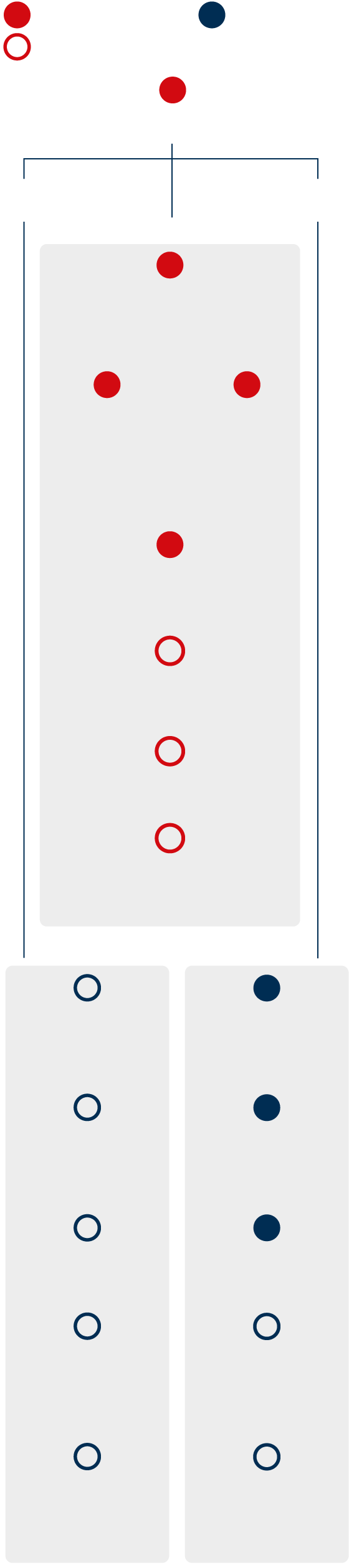
The disappearance of the man who concentrated political and religious power for more than three decades has opened an unprecedented transition in the recent history of the Islamic Republic. In the early hours of the morning, officials announced the activation of the mechanism provided for in Article 111 of the Constitution. An interim council has provisionally assumed the functions of the Supreme Leader until the Assembly of Experts designates a successor. Ayatollah Alireza Arafi, a veteran member of the Guardian Council, along with President Masoud Pezeshkian and the head of the judiciary, form this transitional government. The body, established by the Constitution to guarantee the continuity of the state during periods without a Supreme Leader, has assumed institutional responsibilities while the Assembly of Experts proceeds with the selection of a new leader. But for now, it is impossible for this assembly to meet without risking another attack. Arafi, 67, a prominent figure in the clergy, has been chosen to ensure that the system continues to function during the transition.
Khamenei's death was not an isolated incident. Tehran also confirmed the deaths of several high-ranking military and security officials, including commanders of the Islamic Revolutionary Guard Corps, a strategic pillar of the system. In the last 48 hours, targeted attacks have struck dozens of sites linked to military structures. Iranian authorities have acknowledged "significant losses" without providing a full tally.
Since the first bombings, the confrontation remains open. Israel and the United States maintain attacks against targets in Iran, while Tehran continues to launch missiles and drones against Israeli positions and US bases in the region. Iran's military forces and those of its regional allies, including Hezbollah in Lebanon and groups in Iraq, remain on high alert. The escalation has spurred diplomacy in the Gulf. Yesterday, the foreign ministers of the Gulf Cooperation Council met via videoconference to coordinate a response to the Iranian attacks on their territories.
The Shah's son offers himself for the transition
While the formal transition is being organized inside, calls for regime change have emerged from abroad. In a video message shortly after the official announcement, exiled Crown Prince Reza Pahlavi, who had supported theThe last wave of popular protests in December-January was heavily repressed, He urged the security forces and officials of the Islamic Republic to hand over power "without further bloodshed." According to him, any attempt to appoint a successor would lack legitimacy and prolong decades of repression. He also appealed to the military, police, and the Iranian diaspora to exert pressure to bring about the system's collapse.
Líder suprem
Màxima autoritat política i religiosa
nomena i supervisa
assessora
Consell Superior de
Seguretat Nacional
Cos judicial
Tribunal Suprem i
tribunals inferiors
nomena
suggereix juristes
Consell de Guardians
6 clergues i 6 juristes
nomena els clergues
aprova juristes
Assemblea
d’Experts
Aprova els
candidats
Parlament
supervisa
President
nomena
aprova
Govern
Consell de Discerniment
Media entre el Parlament i
el Consell de Guardians
nomena
Forces armades
Exèrcit i Guàrdia Revolucionària
comanda
Líder suprem
Màxima autoritat
política i religiosa
nomena i supervisa
assessora
Consell Superior de
Seguretat Nacional
Cos judicial
Tribunal Suprem i
tribunals inferiors
nomena
suggereix juristes
nomena els
clergues
Consell de Guardians
6 clergues i 6 juristes
aprova juristes
Assemblea
d’Experts
Aprova els candidats
Parlament
supervisa
President
nomena
aprova
Govern
Consell de
Discerniment
Media entre el Parlament i
el Consell de Guardians
nomena
Forces armades
Exèrcit i Guàrdia
Revolucionària
comanda
Líder suprem
Màxima autoritat
política i religiosa
nomena i supervisa
assessora
Consell Superior de
Seguretat Nacional
Cos judicial
Tribunal Suprem i
tribunals inferiors
nomena
suggereix juristes
nomena els
clergues
Consell de Guardians
6 clergues i 6 juristes
aprova juristes
Assemblea
d’Experts
Aprova els candidats
Parlament
supervisa
President
nomena
aprova
Govern
Consell de
Discerniment
Media entre el Parlament i
el Consell de Guardians
nomena
Forces armades
Exèrcit i Guàrdia
Revolucionària
comanda
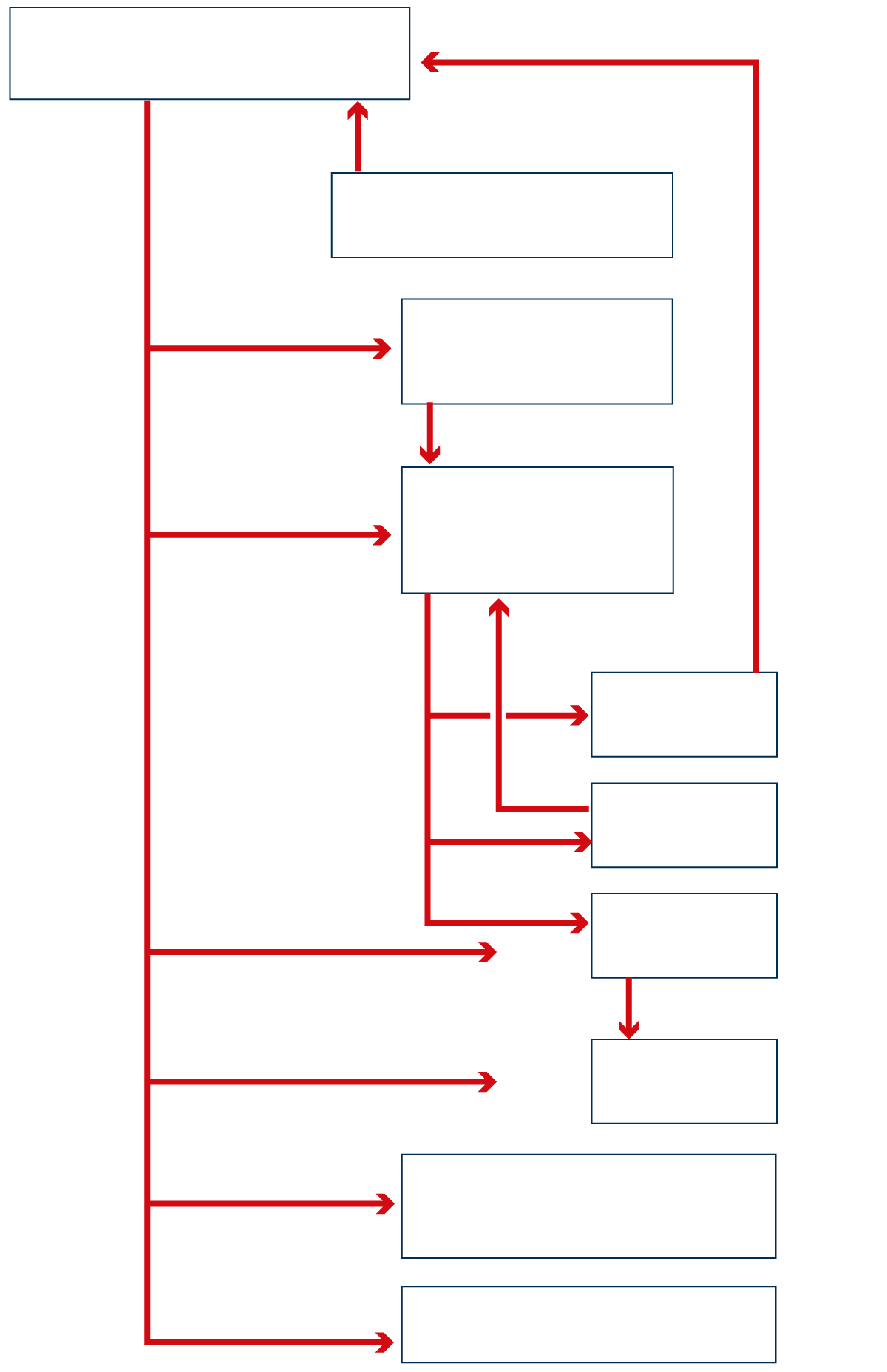
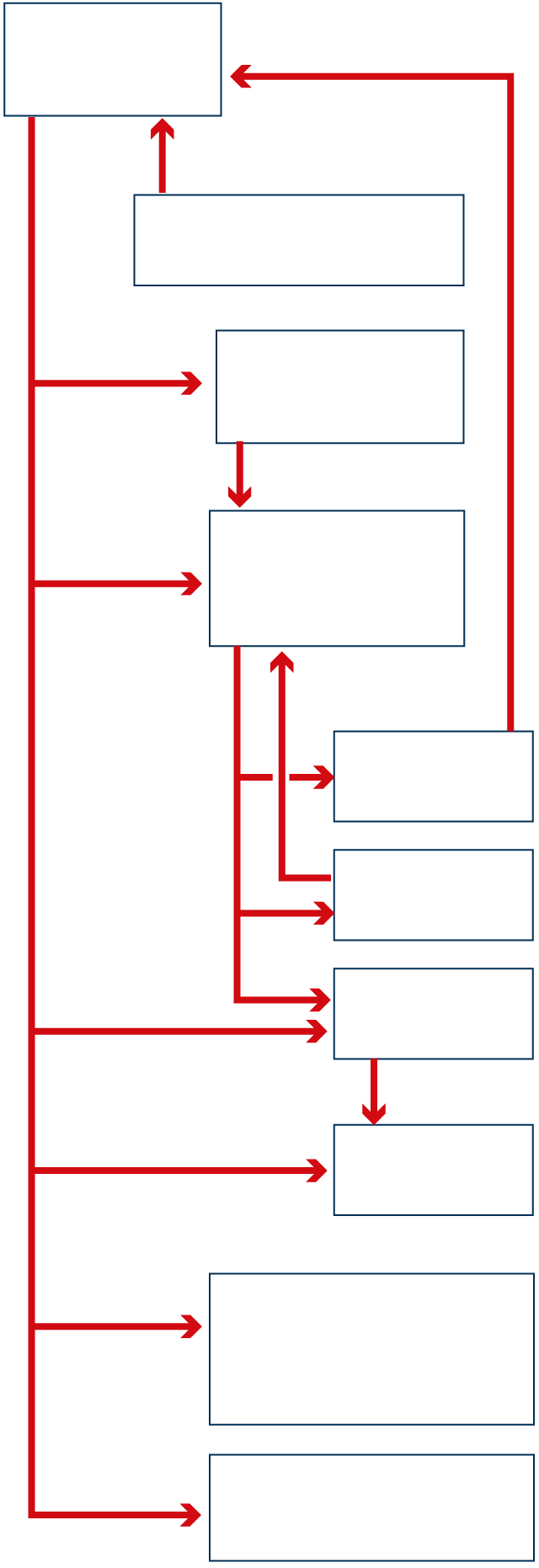
Iran's institutional architecture was designed to prevent a power vacuum. Following the 1979 revolution, the system incorporated overlapping bodies with oversight and checks and balances: the Guardian Council to ensure the ideological conformity of laws, the Assembly of Experts to elect and oversee the leader, the Expediency Discernment Council to resolve institutional gridlock, and the Guardian Corps. This network allowed the system to absorb crises and ensure continuity in the event of the sudden deaths of leaders.
In 1981, after the removal of President Abolhassan Banisadr and the assassination of his successor, the regime reorganized power within weeks. In 1989, although Khamenei did not initially hold the highest religious rank, the Assembly of Experts reached a consensus to appoint him Supreme Leader after the death of Ruhollah Khomeini. More recently, in 2024, the death of President Ebrahim Raisi in a helicopter crash also triggered constitutional mechanisms without any visible fractures at the top of the state.
The Iranian regime now faces an unprecedented test. The combination of military attacks, the elimination of key strategic commanders, and the social pressure that has been building since 2022 has subjected the system to a strain unseen since the 1979 revolution. The reaction of the security forces and central institutions will determine whether the Islamic Republic manages to remain intact or enters a period of decline.
For the first time since Khamenei's election as supreme leader in 1989, the Islamic Republic faces a succession amid direct military confrontation with foreign powers and under years of accumulated economic and social pressure. The system was designed to survive the disappearance of its leaders, but it had never before had to test this architecture in a context of military escalation and explicit calls for its downfall. In the coming days, the speed with which the succession is orchestrated and the capacity of the security structures to maintain control will offer the first real measure of the Iranian regime's strength—or fragility.
