The US Congress votes for the first time to curb Trump in the Iran war
The resolution is symbolic, but it represents a significant political setback for the president
-
CAT -
CAST
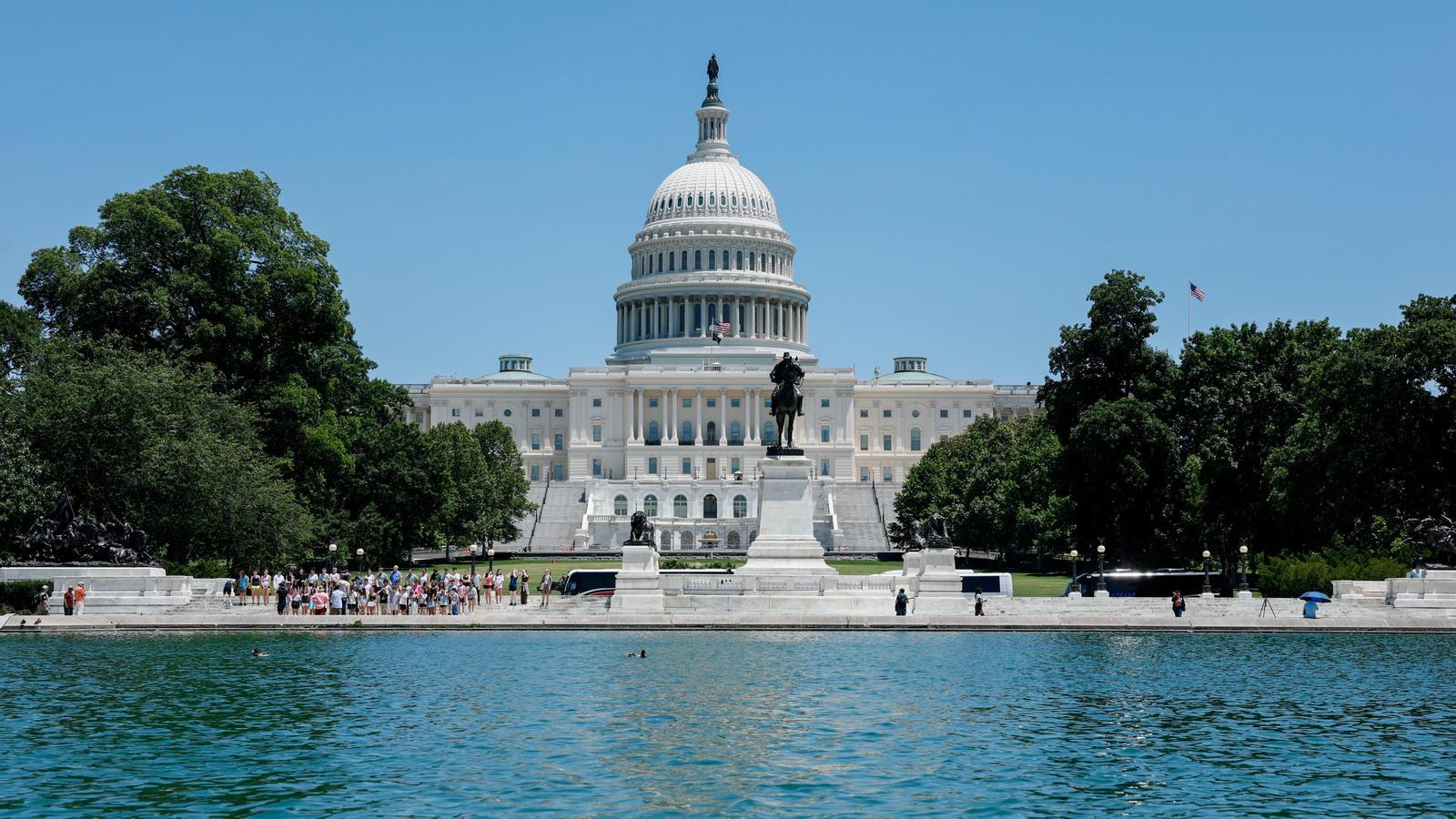
WashingtonFor the first time, the North American Congress has approved a resolution to prevent President Donald Trump from continuing the war in Iran. With the support of four Republicans who joined the Democrats, the resolution passed with 215 votes in favor and 208 against. For now, the move is symbolic, but it represents a significant setback for the tycoon and his management of the conflict.
“The approval of this resolution today marks a significant turning point: more and more Republicans are listening to their constituents, who do not want another endless war in the Middle East,” said Congressman Gregory Meeks, sponsor of the resolution and member of the Foreign Affairs Committee, in a statement after the vote.
The war powers resolution approved by the House of Representatives is more of a stance than a mechanism to force Trump to do what he does not want, at least for now. This is because the Supreme Court, in 1983, ruled that for congressional decisions to have legal effect, they must go through the usual legislative procedures, that is, be signed by the president to become law. The only alternative option to overcome this veto is to achieve two-thirds of both chambers, something that for now is very far off.
Republican division
Nevertheless, the vote shows the deep concern that some Republicans feel about Trump's handling of the conflict. The war that the US and Israel started against Iran more than three months ago has been strongly opposed by Democrats from the outset, but it has only been in recent weeks that several Republican Party representatives have made their unease public. When the resolution was about to be approved, the Speaker of the House, Mike Johnson, postponed the parliamentary session in an attempt to avoid it, but criticism has grown since then, as the war becomes bogged down for the United States.
Since the war began on February 28, fuel prices have continued to rise in the US, adding to inflation that is difficult for many people to bear. In April, prices registered an increase of almost 4% compared to the same month of the previous year, the highest figure since May 2023 and above market expectations. The conflict has led to the closure of the Strait of Hormuz, the maritime route through which 20% of the oil and natural gas consumed by the entire planet circulates, as well as other key products for many countries, such as fertilizers.
The next steps
The war powers resolution approved by the House of Representatives now continues its way to the Senate, where last month four Republican senators already joined an initiative by Democrats to curb the war against Iran. The senators will vote for or against this resolution.
“We won’t be able to do anything to them, so they will think: ‘Why reach an agreement?’”, warned Secretary of State Marco Rubio this Wednesday, facing the possibility that Congress would approve the resolution.
It should be remembered that Congress is the one that has the authority in the United States to declare war against another country, and according to the War Powers Act, the White House has 60 days to obtain Congress's authorization for any type of military action. But when the war had been going on for 60 days, Trump argued that ceasefires did not count and therefore did not go to the House to seek approval.
In addition to the resolution against the war in Iran, this Wednesday the House of Representatives also approved a motion to ensure that Ukraine receives American financial aid while it continues to fight against Russia. This initiative went ahead thanks to the support of six Republicans, plus one representative who usually votes in the same way as Republicans.
The Trump administration maintains that the war is essential for the security of the United States, because, it assures, it is necessary to guarantee that Iran can never have a nuclear weapon. But the president's voters elected him, in part, because he promised that he would dedicate more attention to the average American than his predecessors and that he would not spend taxpayers' money on "endless" conflicts abroad. And now many fear that this contradiction will cost the Republican Party dearly in the midterm elections, which will take place in less than five months.
