Trump, protagonist of an unprecedented convention to promote the Republican candidates for Congress
Some members of the party who are risking their seat this November will avoid going to Dallas because of the peak of unpopularity of the American president
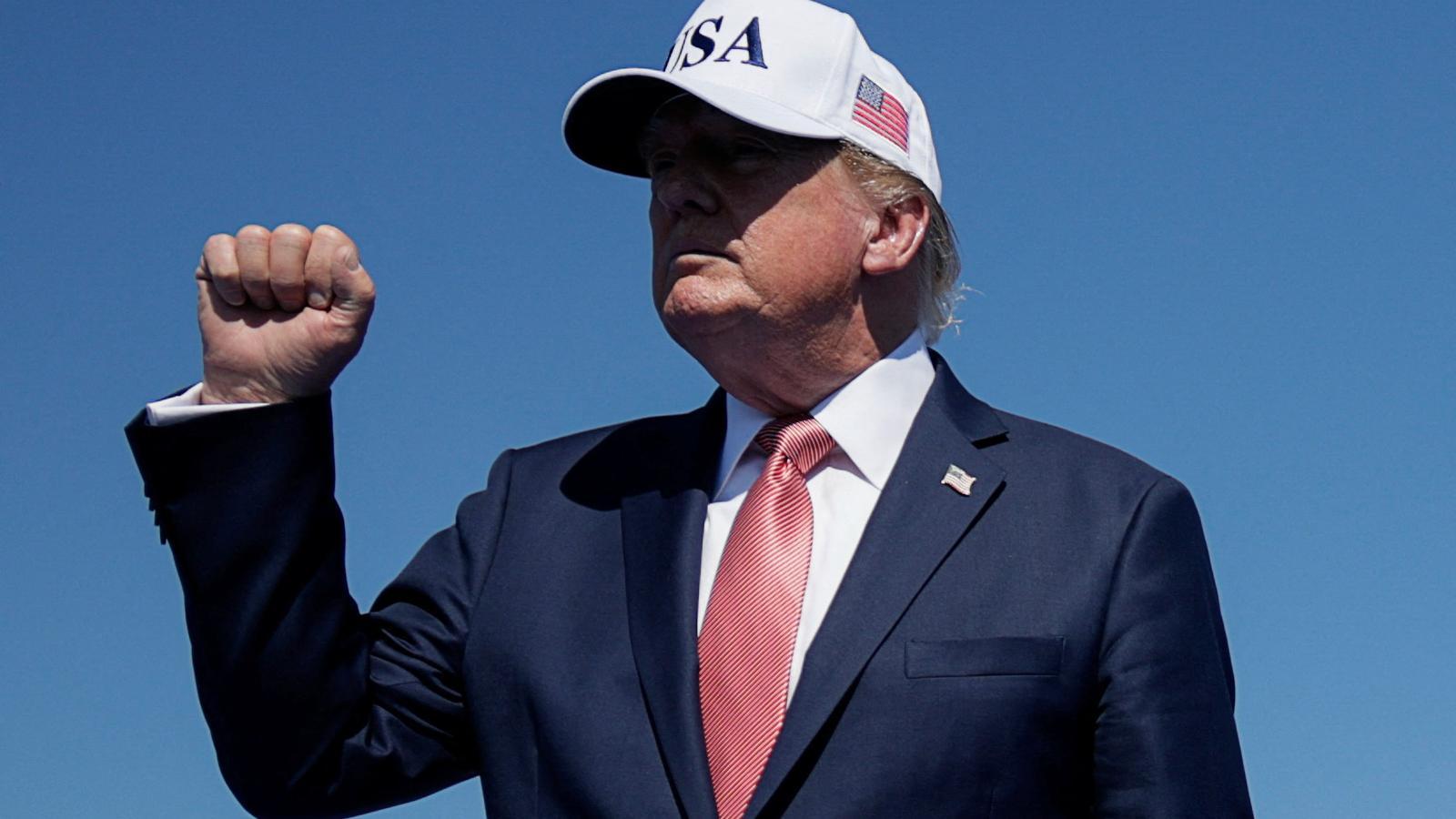

WashingtonOne more eccentricity from the party leader. Between this Wednesday and Thursday, Republican lawmakers and Trump supporters are gathering in Dallas (Texas) to attend the Republican convention that Donald Trump has devised to boost the party less than two months before the midterm elections. But the program for the historic event—the first one the Republicans are holding for a midterm—points in another direction: the American president will be the headliner and will give the main speech of the two days. Not even in Milwaukee, despite having just survived the assassination attempt in Butler, did Trump hog the microphone as much.
Far from giving air to some tight races, Trump's thirst for the spotlight could end up harming Republican candidates. The historic peak of unpopularity that the American president is experiencing has become the main burden for the party this November. Many know this, and for that reason, they do not plan to stop by the covert tribute the leader has decided to set up for himself. Between 70 and 50 candidates, most from swing states, have revealed to Politico and the CBS network that they do not intend to go. Some have alleged that they have other more important events at a local level, others have alluded to personal issues, such as weddings or family events. Any excuse is good to avoid what some Republicans internally have already labeled as the "Trump party".
The compliant laughter that the president demands from his legislators has been blurring into a nervous grimace in the face of every new unilateral decision by Trump. The Iran war—which was supposed to be a four-week "excursion"— is at the top of the list, but it is not the only one. At the end of August, the Republican was again punishing his rural base by announcing that he would import 300,000 tons of beef tariff-free in order to try to curb rising prices.
The alienation of the base
If it wasn't enough to infuriate the ranchers who have been struggling for months due to the trade war, Trump also refused to reveal the origin of the meat and placed the consumer in an almost humiliating dilemma: buy the cheapest product without knowing where it comes from and what health controls it has undergone, or resign oneself to paying more to have a certain peace of mind. This summer, Trump also refused to sign a bipartisan law aimed at helping to alleviate the housing crises suffered by Americans.
Last week, the speaker of the House of Representatives, Mike Johnson, dismissed the doubt of whether it could be harmful for some candidates to attend in Dallas. "It was the president's idea, and that is why he gets the credit, and rightly so," said Johnson. "I think it will be an extraordinary opportunity for us to have two nights on national television to talk about our extraordinary record of successes." The fact is, Johnson is not risking his seat on November 3rd and will attend the convention. Vice President JD Vance, Attorney General Todd Blanche, and former press secretary Karoline Leavitt are some of the other names that are already confirmed.
A few hours before the speeches begin, many Republicans hope that Trump will focus more on attacking the Democrats than on talking about himself. The main target of the American president right now is the rise of the left wing of the party during the primary process thanks to a message focused on the cost of living. For months, the Republican has been campaigning by labeling candidates of the Democratic Socialists of America (DSA) and other progressives, such as Abdul El-Sayed in Michigan. El-Sayed's rival for the Michigan Senate seat, Mike Rogers, will be one of the few candidates to take the stage during the convention. The Texas candidate, Ken Paxton, who is competing for the upper house against the Democrat, James Talarico, will also do so. The Presbyterian pastor from Austin has achieved a milestone unthinkable for any Democrat in recent years: turning an election in the quintessential Republican state into a competitive race.
