The consequences of the CDU's collapse in Saxony-Anhalt have also been felt in the governing coalition with the Social Democrats. The SPD has called for negotiations on possible changes to pension and healthcare reforms with the aim of softening them. Merz has championed social and economic changes, which include an increase in the retirement age and tighter medical leave policies. After the defeat, the German chancellor avoided self-criticism and limited himself to saying that the reforms need to be better explained, but the Social Democrats are asking him to go further by easing the changes. They are also demanding new negotiations on the 2027 budget and the reopening of the debate on inheritance and wealth taxes.
"I do not close the doors to anyone": the far-right entrusts itself to defectors to be able to govern in Saxony-Anhalt
The AfD rules out for now governing if it does not have a stable majority and the defeat of the CDU opens an internal crisis
08/09/2026 - 19:58 h
-
CAT -
CAST
BarcelonaWithout the necessary majority to govern, the far-right Alternative for Germany (AfD) is relying on defectors to come to power in Saxony-Anhalt. "I do not close the doors to anyone, I do not believe in sanitary cordons," said the party leader and election winner, Ulrich Siegmund, after an election in which the ultra-rightists came close to an absolute majority. Siegmund has already expressed his desire to forge a stable majority because governing as a minority would mean depending "on the mood of one deputy or another." Even so, he is calling on "individual actors who are willing to jump over their own shadow and who consider that the future of Saxony-Anhalt is more important than their own careers." Mind you, the condition set by the ultra-rightists is that their "basic positions are maintained."
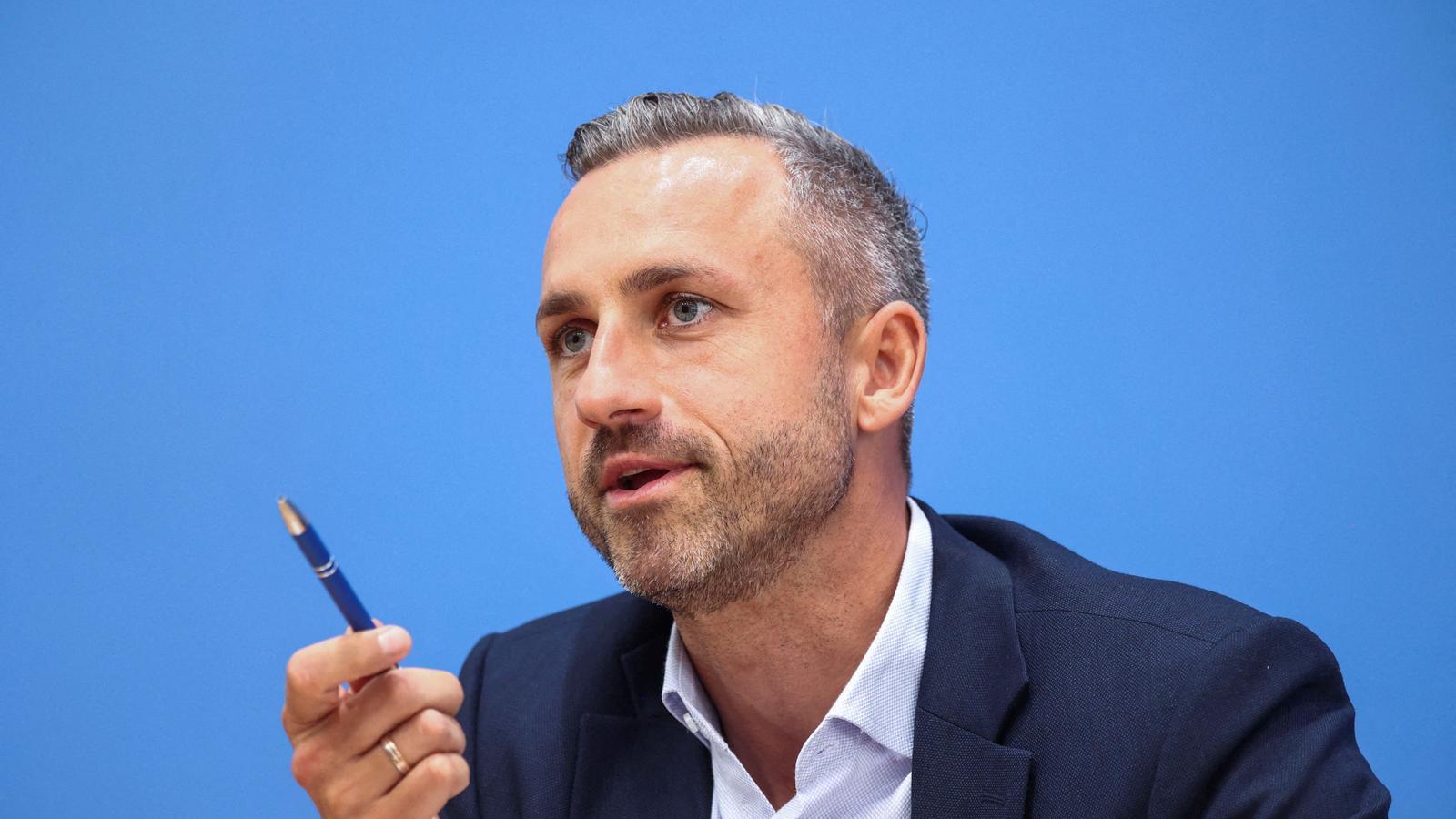
The AfD wants to open talks with all parties and elected deputies to seek the necessary support to form a stable government, and one of the parties from which it could seek defectors is the conservatives of the CDU, the party of Chancellor Friedrich Merz. Faced with this possibility, the group has wanted to stand united. Sepp Müller, deputy chairman of the CDU parliamentary group in the Bundestag, the German Parliament, takes for granted that there will be no defectors in his party. He has also ruled out any attempt by the CDU to form a government coalition in Saxony-Anhalt, nor with an independent leader. "We have experienced the worst elections in the history of the CDU in Saxony-Anhalt. "It is out of the question to consider any kind of governmental coalition," argued Müller.
The far-right party needs three deputies to reach the absolute majority necessary to be elected in the first or second round. However, in the third round it could be chosen with a simple majority, which would be possible if the populist left-wing party Sahra Wagenknecht Alliance (BSW) abstains. The party, which has already become essential in two of the country's states, has announced a possible abstention, but the AfD leader has ruled out governing through this option because "an abstention does not provide a stable majority".
Although BSW's abstention is not currently AfD's preferred scenario, the leading role that the populist left-wing party could have has put it under the spotlight. Pro-Russian and anti-immigration, Wagenknecht has already announced that her party will present a motion to the new parliament of Saxony-Anhalt to fill storage facilities with Russian gas.
"We cannot continue as if nothing happened"
The collapse in the Saxony-Anhalt elections has opened a crisis in the CDU, which has lost more than half of the votes in this state of the former German Democratic Republic. Following the historic defeat of the conservative candidate Sven Schulze, the very next day moves began within the party: Müller, representative to the Bundestag for Saxony-Anhalt, has put himself forward as a candidate to lead the party. The controversy had already been brewing before the elections, when the German Chancellor, Friedrich Merz, publicly reproached him for "stabbing the candidate in the back" days before the polls.
Despite not being on the ballot for the Saxony-Anhalt elections, Merz is one of the big losers. The election defeat comes at a time when the Chancellor's popularity is at an all-time low. However, several party leaders have rushed to rally around the Chancellor. The head of the conservative parliamentary group, Thorsten Frei, has warned that it would be a "wrong conclusion" to slow down the reforms that Merz's government has begun and, in any case, believes that they need to be accelerated. Minister of State Philipp Amthor has gone further in his defense of Merz. "He is the right party chairman, he is the right chancellor, and now we depend even more on him and the stability of the federal government," he remarked.
For the Chancellor, "giving up is not an option," he said after the election result regarding the possible consequences of the defeat and the victory of the AfD. The next appointment will be on September 20th with the elections in another eastern state, Mecklenburg-Western Pomerania, and the state elections in Berlin.
The defeat clouds Merz's reform agenda

