The USA lifts restrictions on Iranian oil and assures that Hormuz is already open
Vance announces that Iran will allow inspections by the international atomic agency but Tehran says it has not negotiated nuclear issues
BarcelonaThe first round of negotiations between the United States and Iran has represented "very good progress" and "a very good basis" to move forward towards a definitive agreement, according to the Vice President of the United States, J.D. Vance, before leaving Switzerland. The memorandum of understanding signed between the two parties last week is beginning to have practical consequences. This Monday, the US Treasury Department lifted restrictions on the sale of Iranian oil for at least the next two months.
The Trump administration's decision opens a window until August 21st to produce, sell, transport, and import crude oil, petrochemical products, and other derivatives of Iranian oil, despite the main economic sanctions against Tehran remaining in force. The license establishes that Iranian oil can be imported into the United States, something that has not happened since Washington began imposing restrictions on the Islamic Republic after the 1979 revolution. The license issued this Monday expressly prohibits transactions involving individuals or entities from North Korea, Cuba, Crimea, and other Ukrainian territories under Russian control.
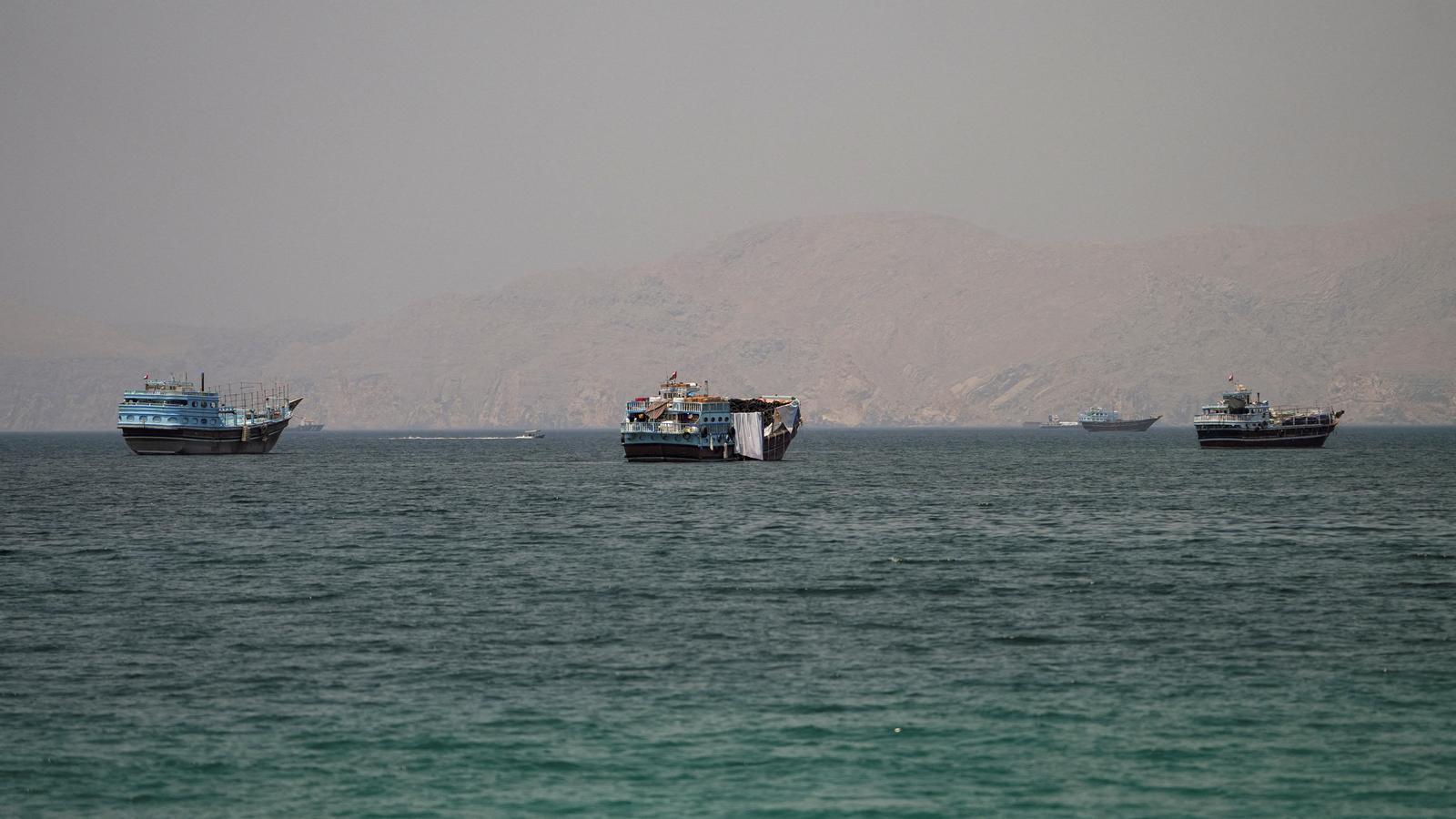
The US also lifted the blockade on Iranian ports last week. And Vance has assured that the Strait of Hormuz "is open". "We have seen oil and gas prices fall and millions and millions of barrels of crude oil and natural gas circulating through the Strait of Hormuz," said the vice president. On Saturday, Tehran said it was reordering the closure of this maritime passage, crucial for the global trade of hydrocarbons, in response to Israel's bombings against Lebanon.
According to the Reuters agency, this Monday two oil tankers with just under two million barrels have crossed the Strait of Hormuz. This is a sign that activity is beginning to recover, although it remains far from pre-war levels, when about 125 ships passed daily.
Iran's chief negotiator, Mohammad Bagher Ghalibaf, and Foreign Minister Abbas Araghchi have traveled to Oman, where they are scheduled to discuss the management of the strait and the improvement of bilateral coordination, according to Ghalibaf's post on X. The preliminary agreement with the US establishes that Tehran waives toll collection for passage through the strait during the current two-month negotiation period, but leaves what will happen afterward uncertain.
In parallel, the country's president, Masoud Pezeshkian, will go to Pakistan this Tuesday, and the US Secretary of State, Marco Rubio, will travel to Bahrain, Kuwait, and the United Arab Emirates.
Inspections of nuclear facilities
Vance also assured that Iran has accepted the entry of the International Atomic Energy Agency (IAEA) into the country, which he described as "the first step towards permanent denuclearization." According to the vice president, UN agency inspectors will return to Iranian territory to verify compliance with the preliminary agreement, something that has not happened since June of last year, when Tehran vetoed access to IAEA inspectors after US and Israeli attacks on nuclear facilities.
Trump also briefly referred to it, with a post on Truth Social: "Everyone is fully aware that Iran will agree to have significant weapons inspections in order to ensure > for a long time."
After the US – during Trump's first term – withdrew in 2018 from the nuclear agreement signed by the government of Barack Obama, Iran lowered its level of cooperation with the IAEA, although it continued to allow some inspector visits, until it prohibited it a year ago.
The spokesperson for the Iranian Foreign Ministry, Esmaeil Baghaei, stated that his country's delegation did not negotiate on its nuclear program and did not accept any new commitments during the talks in Switzerland. Iran's interaction with the IAEA will continue in accordance with current procedures, subject to the approval of the Iranian Parliament and the decisions of the Supreme National Security Council, he added in statements to the IRNA agency.
