The reform that Von der Leyen wants to apply to avoid the vetoes of another Orbán
The President of the European Commission advocates for removing unanimity on some issues, such as foreign policy

-
CAT -
CAST
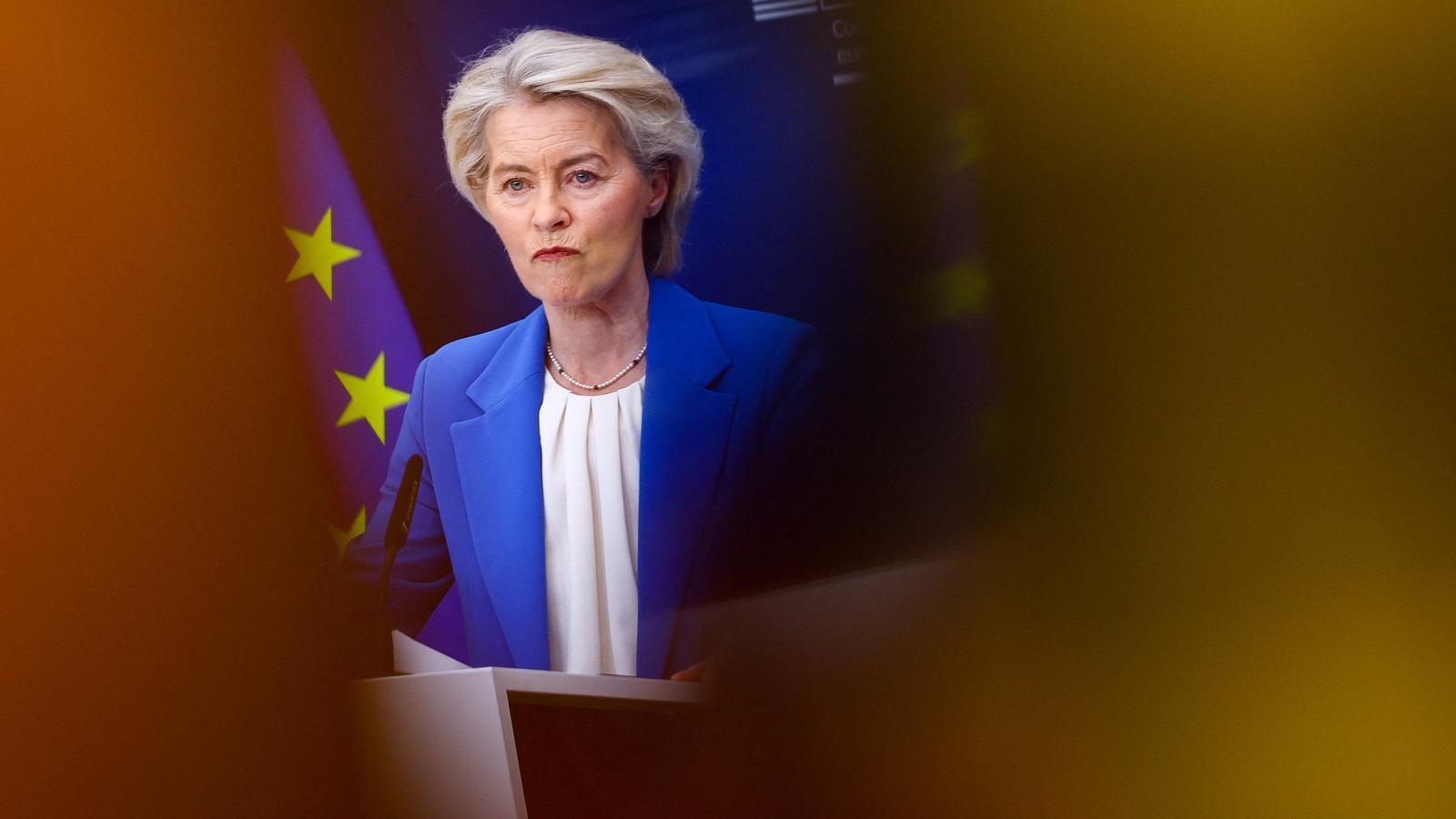
BrusselsUrsula von der Leyen wants to avoid more potential cases like Viktor Orbán's. The acting Prime Minister of Hungary has continuously blocked measures that have broad consensus in the European Union, especially those related to helping Ukraine and sanctioning Russia. The fact that unanimity is mandatory for processing foreign policy measures has given the far-right, pro-Russian leader the opportunity to single-handedly veto regulations that the rest of the European partners wanted to approve. For this reason, after the victory of the conservative Péter Magyar in the Hungarian elections, the President of the European Commission has advocated for removing unanimity in fields such as foreign affairs.
The head of the EU executive has not presented any formal proposal nor explained how she intends to carry out the reform, but she has opted for "moving to qualified majority voting on foreign policy matters". "It is an important way to avoid systemic blockages, as we have seen in the past, and we should foster the current momentum to truly advance on this issue," she added.
One of the options that has been circulating in Brussels for days and to which Von der Leyen has implicitly referred is the so-called
gateway clause
. It is an express route to remove unanimity in certain fields without having to change the European Union treaties. Until now, the European Union had not used this point of the regulation because unanimity is required to activate it, something that Orbán would have avoided at all costs.
they had recently found ways to advance some initiatives without Hungary's approval

they had already found ways lately to advance some initiatives without Hungary's approval
Von der Leyen's proposal notes that Orbán has set a precedent and shows Brussels' fear of the situation repeating in the future. In fact, the Hungarian far-right leader was no longer entirely alone in his vetoes and, lately, the leaders of Slovakia and the Czech Republic had also accompanied him on some occasions.
