Halve homelessness: the pilot plan that brings the ombudsman of Barcelona into debate
The project foresees a shared census of homeless people and personalized support

-
CAT -
CAST
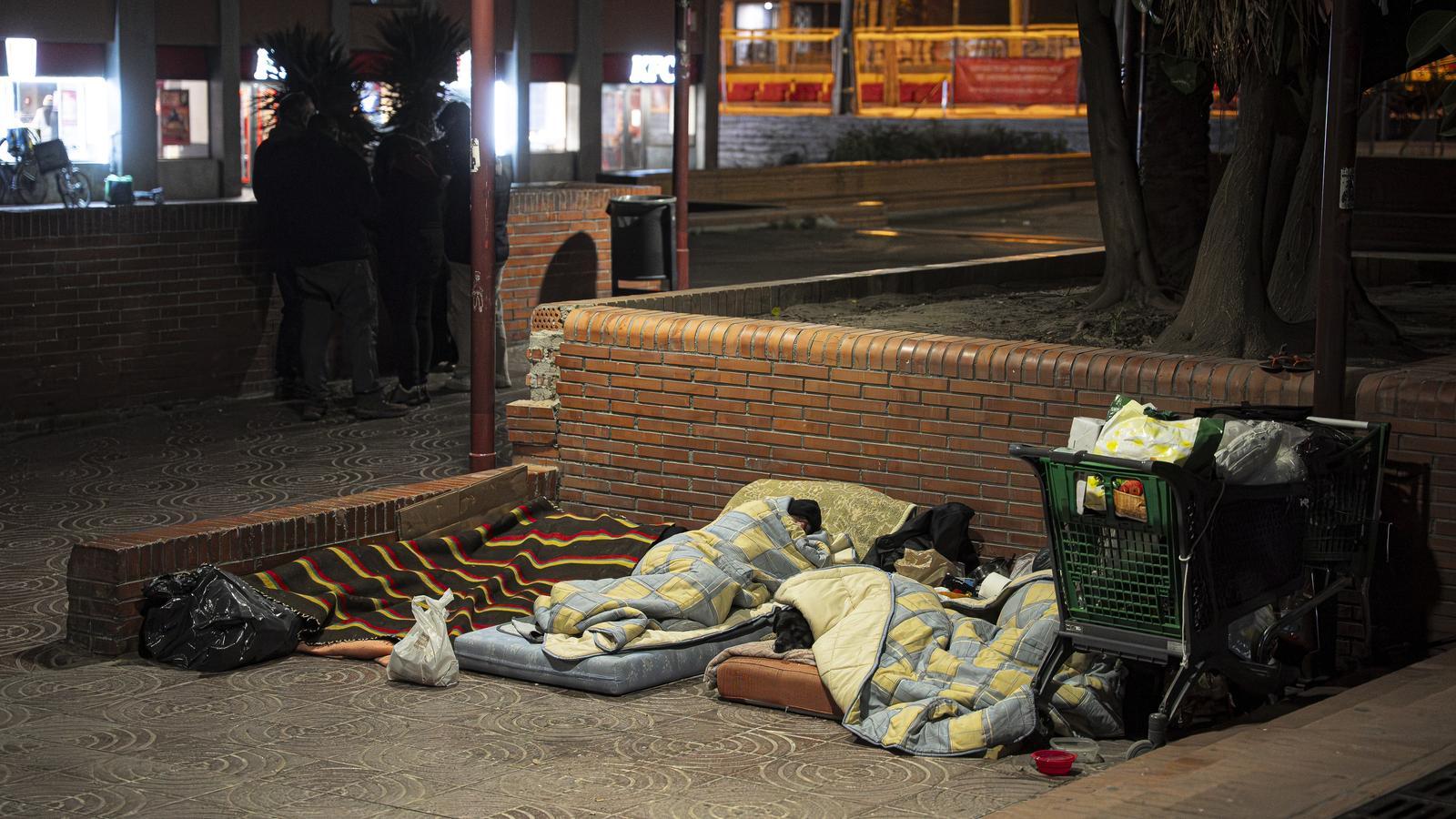
BarcelonaLast March, social third sector entities once again carried out a In these meetings, the ombudsman has detailed his proposal to tackle homelessness. Sources indicate that it is a pilot plan project called Pla Zero Carrer (Zero Street Plan) which, initially, should be implemented in two neighborhoods – one in Barcelona and one in another city, which is expected to be L'Hospitalet de Llobregat – and which sets the ambitious goal of halving the number of people sleeping on the street in just over a year. To achieve this, it calls for the administration, entities, and the private sector to work together, sharing information and objectives so that most people who are currently homeless can move forward with their own projects.
As explained in these meetings, one of the keys is the existence of a single census where everyone shares information and all personnel act as if they were a single service. This should create a joint pool of entity workers – acting as a single
front office
– so that each homeless person registered has a personal case manager assigned within 48 hours who will accompany them in the process and in their communication with the administration for aid and possible solutions.
The second pillar of the program is the role of the administration, which must guarantee rights such as registration and benefits that will help people get off the street. Finally, the ombudsman's plan counts on the private and civil sector to do their part by providing housing and employment opportunities to these people.
According to the roadmap of this pilot plan, the coordinated support of entities and institutions, together with the objective of making available and sharing a list of affordable housing available throughout the country – whether from private individuals, entities, or different institutions –, must make it possible to accelerate the exit of people from the streets. An example of a success story that is considered in these meetings would be that of three homeless people entitled to receive some aid who, with the appropriate advice, can use it to pay for social housing – whether in Barcelona or not – where they can start a new life project outside of the streets.
So far, entities such as Caritas, Assís, Fundació La Caixa, the Red Cross, Fundació Roure, Hospital Sagrat Cor, and Sant Joan de Déu have participated in these meetings with the ombudsman. Also present were the Illustrious College of Advocacy of Barcelona (ICAB) – which could help with all the bureaucratic advice when applying for aid – or Hàbitat3 and Pimec. "It is crucial to involve three sectors – the municipal, the entity-based, and the private – and ensure they do not work in parallel, but jointly, with the common goal of eradicating homelessness in our community," explains Bondia to questions from ARA.
For entities that support homeless people, the ombudsman's proposal is an ambitious initiative that could represent an opportunity to address homelessness, but they warn that its success will depend on having sufficient resources, solid coordination between administrations and entities, and clear leadership to implement it. They also emphasize the need to count on specialized third-sector organizations to leverage the knowledge and connection they have with the group. In statements to ARA, they point out that there is a lack of technical concreteness regarding the plan, and therefore they want more details before evaluating the project.
In the opinion of the entities, the two most urgent actions are a significant increase in the funds allocated to combating homelessness and the definitive approval of a law that provides guarantees to people living in this situation, clarifies the obligations of all administrations, and ensures the necessary resources to assist them. A law that, however, has remained stalled since the last legislative session in Parliament.
The reservations of the Collboni government
Regarding the Barcelona City Council, before Holy Week, Bondia presented its proposal to the municipal groups and personally to the mayor, Jaume Collboni. In statements to ARA, the commissioner for Social Action of the council, Sonia Fuertes, states that "as a proposal on such a critical issue, it must be analyzed and, if necessary, implemented", but like the entities, she also claims the importance of relying on the technical expertise of the City Council's social services. "There are things that are the responsibility of the administration. And it is the administration, also, that must make certain decisions," she remarks.
Although the project still needs to be analyzed in detail, Fuertes highlights, initially, some doubts. She asks for the governance model to be refined because a project like this – which aims to involve municipalities beyond Barcelona – cannot be carried out without taking the Generalitat into account. She also questions the proposal that – beyond cases of absolute priority such as women victims of violence, the elderly, or people with serious health problems – priority should be given to acting first with those who have been on the street the longest. According to Fuertes, experience shows that rapid intervention with someone who has recently become homeless has a greater guarantee of success.
Fuertes emphasizes that some of the things that the ombudsman's pilot plan proposes have already been done for a long time by the City Council's social services, and remarks that "where innovation is now needed" is in the way to ensure that many people who are now in the emergency circuit – sleeping in some of the hostels paid for by the City Council – can access housing. "We have a lot of people ready to move out, with income, with employment, with savings even of 7,000 euros, who cannot find someone to rent them an apartment," he says, and points to "real estate racism" as one of the main scourges of this situation.
Resolving this "bottleneck," he explains, is what must allow for a "rotation" in emergency accommodations that is not currently happening. That is, that people who are in hostels can access housing that allows them to move forward and, at the same time, free up places in these emergency accommodations so that other people experiencing homelessness can get into the system and, above all, get out of it.
