Iran and the United States are "closer than ever" to an agreement
Trump defends that the agreement will include reopening the Strait of Hormuz
-
CAT -
CAST
BarcelonaIran and the United States are very close to an agreement. Members of both delegations stated this Saturday that significant progress has been made in the peace talks. Pakistan, which is mediating, even considers that the possibility of an agreement "is closer than ever" and expects "a crucial breakthrough over the weekend".
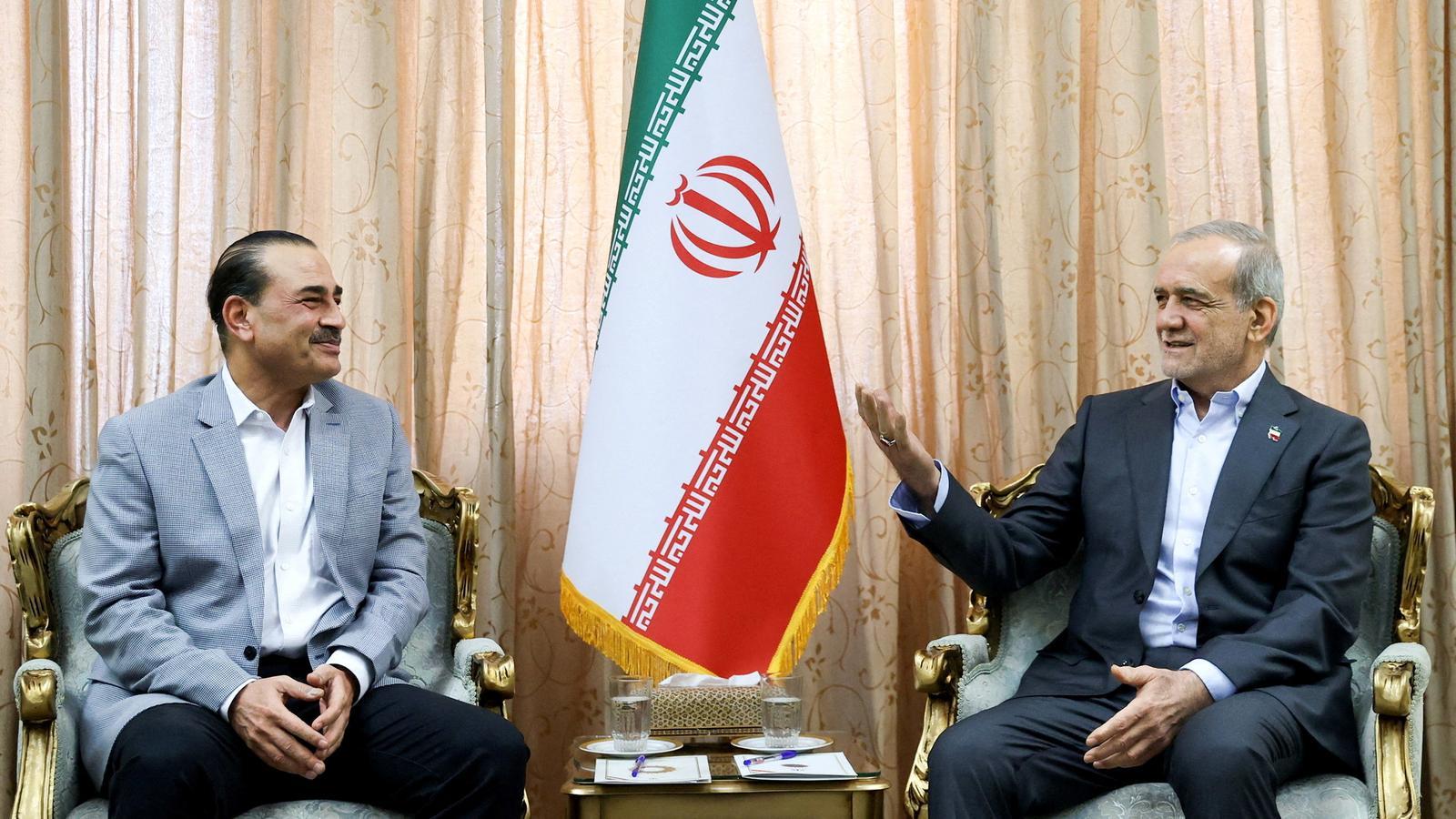
The messages of optimism come shortly after the head of the Pakistani army, Field Marshal Syed Asim Munir, left the Iranian capital after meeting with the country's president, Masoud Pezeshkian; the Speaker of Parliament and chief Iranian negotiator, Mohammad Bagher Ghalibaf, and the Foreign Minister, Abbas Araghchi. "Over the past week, the trend has been towards a greater convergence of positions," stated the spokesman for the Iranian Foreign Ministry, Esmaeil Baghaei, on state television, and assured that they are in the "final phase" of a memorandum of understanding. However, the diplomat avoided presenting the agreement as imminent and warned that it will be necessary to wait "three or four more days" to see how the talks evolve.
Donald Trump explained in a Truth Social message that he has spoken about the memorandum with the leaders of the mediating countries and hinted that the pact is well underway. "The details of the agreement are being discussed and will be announced soon," wrote the American president, who also highlighted that the agreement will include the reopening of the Strait of Hormuz.
The American Secretary of State, Marco Rubio, also expressed confidence and celebrated that "some progress" has been made. "Some progress has been made. Even as I speak to you now, work is being done on it. There is a possibility that, whether later today, tomorrow, or in a couple of days, we will have something to say," he stated during an event at the American embassy in New Delhi. Even President Donald Trump assured in statements to CBS News that Iran "is getting much closer" to the United States.
The draft currently under discussion is based on a 14-point Iranian proposal that the two parties have reportedly been exchanging several times through Pakistani representatives, according to the Iranian spokesperson. However, some differences still persist concerning Iran's nuclear program. While the spokesperson for Iranian diplomacy believes the nuclear issue should be discussed in a second phase after an initial peace agreement, Washington insists that Tehran must hand over its highly enriched uranium reserves.
Another point of contention is the Strait of Hormuz. Rubio reiterates that the maritime route must remain open and "toll-free," while Iranian authorities have announced their plans to regulate and charge for maritime traffic on this strategic sea route. "President Donald Trump has made it clear that, one way or another, Iran will never be able to have a nuclear weapon. The straits must remain open and toll-free. They must hand over their highly enriched uranium," Rubio insisted.
Trump, who claims to have seen the draft of the agreement with Iran, asserts that any pact will "absolutely" prevent Tehran from obtaining a nuclear weapon. "I will only sign an agreement where we achieve everything we want," he said in statements to CBS News this Friday, and he reiterated a threat: "We will have an agreement, or we will have a situation where no country has ever been so affected."
