The Taliban ban smartphones to government officials

-
CAT -
CAST
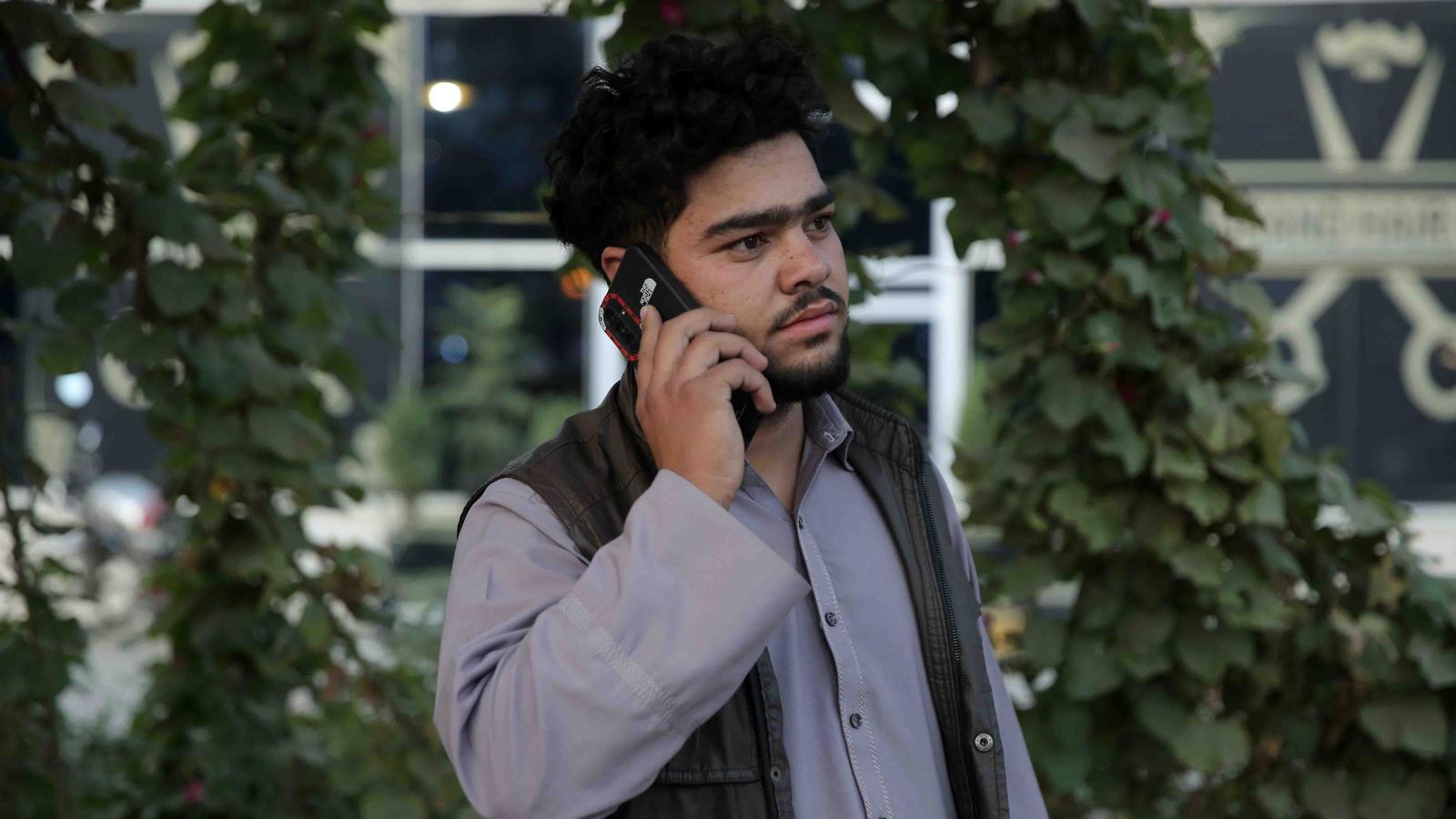
KabulIf someone had told me a few years ago that in the twenty-first century mobile phones would be banned in Afghanistan, I would not have believed it. But this is Afghanistan today, a country where even a smartphone has become a new target of the Taliban.
The first time I heard about the ban, one of my colleagues told me that the Taliban’s supreme leader had ordered government employees not to use smartphones. I thought he was joking. I could not believe it. Senior Taliban officials, ministers, and commanders themselves use modern smartphones. How could the same device suddenly become forbidden for thousands of government employees?
Then my colleague sent me a video. In the video, Taliban officials were collecting smartphones from government employees and smashing them in front of their owners. The sound of breaking screens mixed with the laughter of those enforcing the order. That was the moment I realized the news was real. I looked at my own phone and thought: After women, is a smartphone now the Taliban’s new enemy? I wondered what problem this restriction was supposed to solve. Was banning a device really the answer to Afghanistan’s problems?
Soon, it became clear that this was not just a rumor or an isolated incident. The order was being implemented across government institutions. Reports emerged that ministries including Interior, Defense, Public Health, Education, and Higher Education had either confiscated and destroyed smartphones or warned employees not to bring them to work. The Taliban claimed the decision was intended to prevent “corruption and immorality.” But for me, as a journalist, this restriction meant something much deeper.
As a woman reporter, I already face many barriers. I cannot freely enter many government offices or sit across from officials as I once did. Much of my reporting depends on communicating with sources through WhatsApp, Signal, and other online platforms. A smartphone is one of the few remaining tools allowing me to continue reporting.
Hours without an answer
I felt the real impact of this restriction while preparing a report about claims that Taliban forces had carried out attacks in parts of Balochistan, Pakistan. Some media outlets had reported that Taliban fighters had attacked areas in Balochistan and killed members of ISIS. To publish my report, I needed to verify the information through one of my trusted sources inside a government institution.I sent him a message. Usually, he responded quickly, but that day, hours passed without any reply.
At first, I thought he might simply be busy. Then another fear entered my mind: what if he had been arrested because of his contact with journalists? After several hours, I called his regular phone number. He answered cautiously and said only: “I will call you when I get home.” I waited for five hours. Five hours filled with questions and anxiety. When he finally called, his first words were: “They broke my phone”.
He told me Taliban authorities had collected and destroyed the smartphones of government employees. He had bought a simple phone instead and said he might no longer be able to cooperate with journalists as before. Even during our conversation, he was worried that the call might not be safe.
His words immediately brought back a painful memory. Weeks ago, the Taliban raided the newsroom where I work. They took my phone, connected it to a computer, and copied the information stored on it. After that incident, we were warned to be careful because we could be under surveillance. Since then, I have never fully trusted my own phone. I regularly delete messages, files, and information. I avoid storing anything important because I fear that my phone could once again fall into the hands of those who want to know everything about my work and my contacts.
Many journalists had already stopped making ordinary phone calls because of security concerns. We relied on encrypted messaging applications because we believed they offered some protection. Now even those limited channels of communication are becoming harder to use.
Afghanistan was already a country where Taliban checkpoints were common. Officers often searched people’s phones, checking photos, messages, and social media accounts. Sometimes people were questioned or detained because of what was found on their devices. The internet has also been restricted at different times, limiting people’s ability to share information and communicate freely.
And what if the ban becomes general?
What happens if this restriction expands from government employees to ordinary citizens? What happens if one day using a smartphone becomes impossible for everyone? I can't stop thinking about it. It worries me.
Over the past five years, I have learned one thing clearly: The Taliban restrict anything they cannot fully control. First, it was girls’ education. Then women’s work. Then books, music, and public life. Now smartphones, because they are still our small window that connects people, spreads information, and allows the outside world to see what is happening inside Afghanistan.
