The Ebola outbreak in the DR Congo, on the way to becoming the deadliest in history
The current epidemic reaches 10,000 cases in the country with the specific vaccines still in process
-
CAT -
CAST
BarcelonaThe Ebola outbreak ravaging Central Africa now exceeds 10,000 confirmed cases and nearly 5,000 deaths, according to the latest report from the National Institute of Public Health (INSP) of the Democratic Republic of the Congo. In almost three months, the number of deaths has doubled and the WHO fears it will end up becoming the deadliest and most contagious outbreak, even more so than the one that occurred between 2014 and 2016, which ended with 11,000 deaths and about 28,000 infections in West Africa.
The current epidemic—which was officially declared in May—affects Central Africa, and its epicenter is the Democratic Republic of the Congo. There are also infections in Kenya and Nigeria, and until recently in Uganda, where the end of the outbreak was declared on August 26, although the country has served as a transit point for transmitting cases to the other two African countries. In fact, the seventy people identified in Uganda as contacts of the first Ebola case in Kenya finished a 21-day quarantine last Sunday.
In Nigeria, the European Centre for Disease Prevention and Control (ECDC) has announced this week that it will send a team of experts to deal with the expansion the epidemic is recording in the country. The epidemiologists will offer technical support and advice and assistance in surveillance, tracing, and infection control.
This is the seventeenth Ebola epidemic in the DR Congo, which adds to the more than thirty outbreaks that in recent decades have affected, mainly, the African continent. The variant responsible for the current epidemic is Bundibugyo, which this time presents higher mortality rates than had been observed in other outbreaks caused by the same strain. The last outbreaks of this variant were in 2007 and 2012. Back then, the fatality rate stood between 25% and 40%, but the current outbreak has already reached 48.6%.
Vaccines still in development
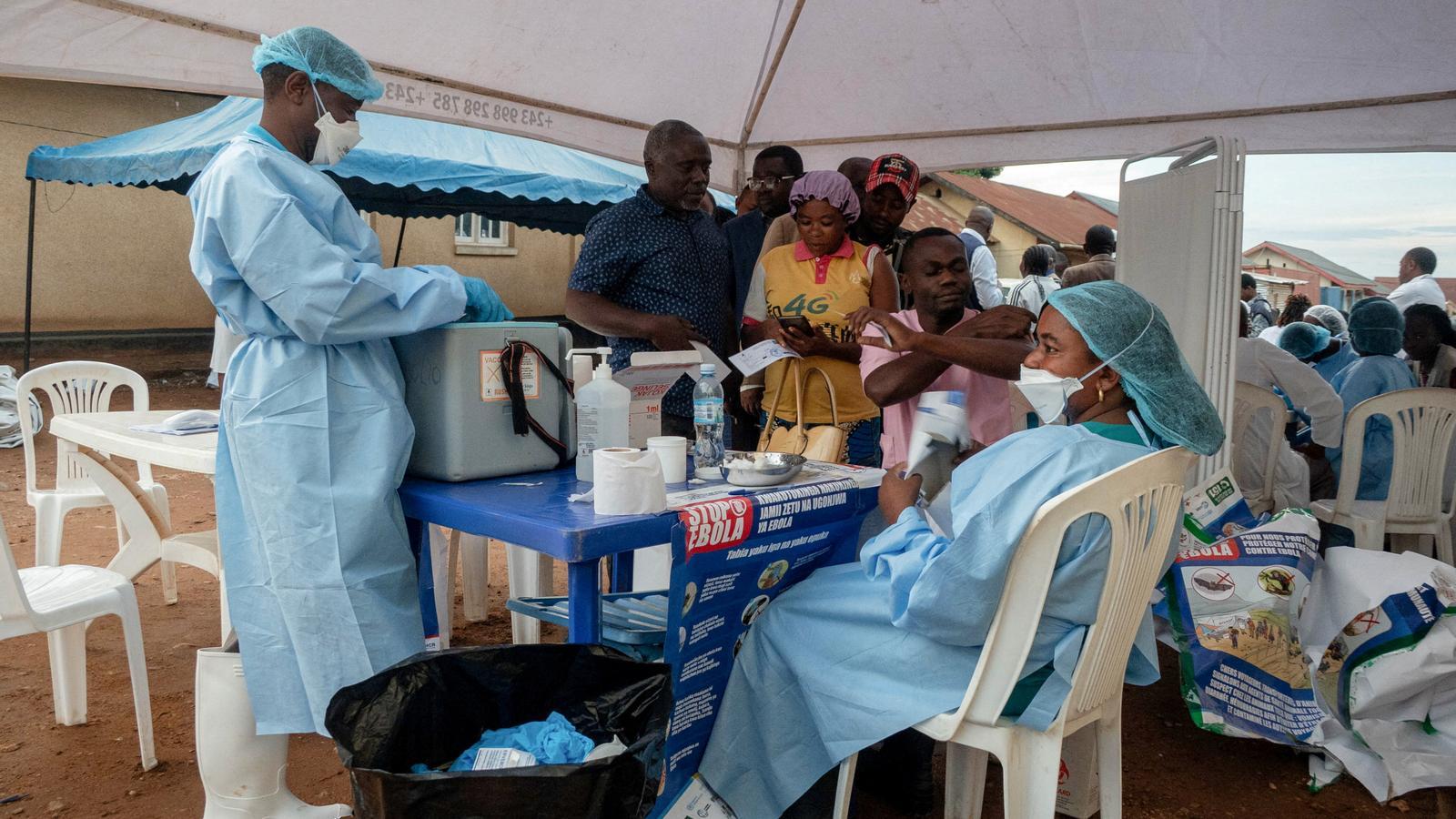
Llanos Ortiz, head of vaccines and epidemic response at Médecins Sans Frontières (MSF), explains to ARA that the only vaccine currently available in the field is Ervebo, which was already used during the 2021 Ebola outbreak, caused by a different variant than the current one. This vaccine was not created specifically for the Bundibugyo variant, and therefore the degree of protection it can offer against this mutation is currently indeterminate. Nevertheless, while specific vaccines are being finalized, which are expected to arrive during November, Ervebo is the only one available. For now, it is being administered to frontline workers who, due to the nature of their work, are in daily contact with many people.

While specific vaccines do not arrive, the main international health organizations are focusing on prevention to avoid more Ebola infections in the DR Congo, Kenya and Nigeria from an outbreak that the WHO estimates began circulating in February of this year. The horizon that these organizations and institutions are working with is that the most effective vaccines will be available by the end of the year.

