'Daddy' Trump arrives at the NATO summit eager to scold European allies
The President of the United States wants to prevent European countries from reducing their purchases of US arms

-
CAT -
CAST
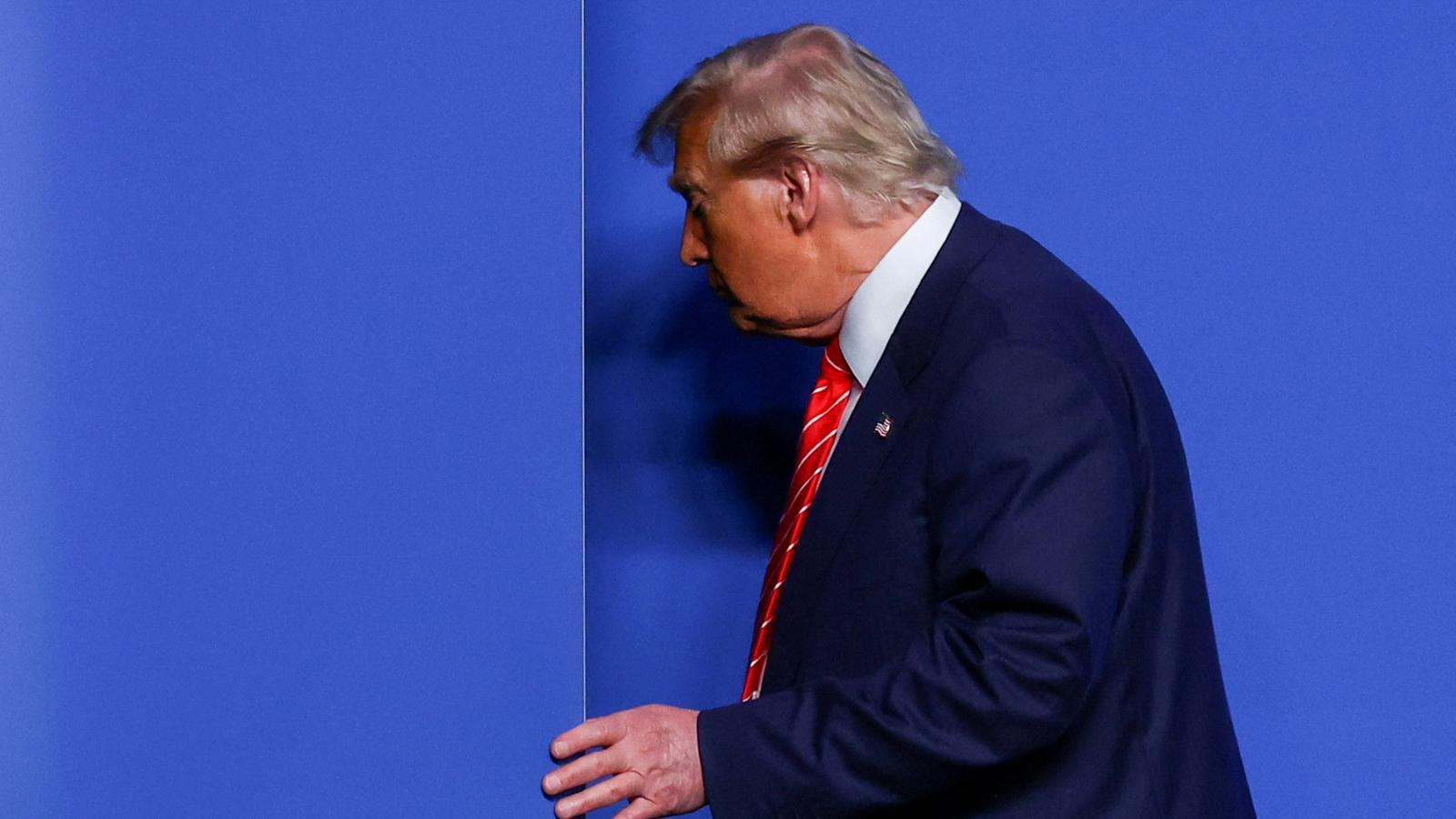
BrusselsIt has been days since Donald Trump began warming up for this week's NATO summit in Ankara. Although until recently he achieved almost everything he set out to do from his allies, the President of the United States has seen European leaders refuse in recent months to participate in the war in Iran and even criticize him. Furthermore, even though they had committed to it at last year's Atlantic Alliance summit, more and more partners are admitting difficulties or directly refusing to spend 5% of their gross domestic product (GDP) on defense. Two issues that deeply anger Trump, and his European counterparts are already preparing for the US president's reproaches, according to NATO diplomatic sources: it remains to be seen in what tone.
The New York magnate does not enjoy the same situation as at last year's Atlantic Alliance summit in The Hague. At that time, all the leaders fawned over him, and even before landing in the Netherlands, the White House already knew it had managed to bend them and that they would sign the commitment to rearm at full speed. Now, although they continue to avoid a direct confrontation with Trump, the situation is different.
NATO diplomatic sources explain that the Trump administration conveyed its displeasure to the European allies for not having wanted to get involved in the war in Iran and, in fact, the Secretary General of the Atlantic Alliance, Mark Rutte, has repeatedly said that it is a key conflict for world security, also for Europe. He himself admitted, however, that NATO's role is defense.

The United States Ambassador to NATO, Matthew Whitaker, assured on Wednesday that "there is no doubt that Trump is disappointed" with some European allies, but he himself and other diplomatic sources from the Atlantic Alliance point out that the President of the United States wants to turn the page and avoid focusing the summit on the war in the Middle East. The'attack on Iran did not go as expected and it seems that he has already accepted that he cannot get anything from the rest of the European allies on this front. Therefore, the same sources point out that Trump will focus more on pressing on two other major issues that he can sell as a victory and can benefit the North American power: increasing the military spending of European allies and, with this money, strengthening the US war industry.
Trump's perfect deal
The President of the United States has been raising his tone again for days against allies who are more reluctant to increase military spending, such as the United Kingdom, Italy, or Spain, and the US ambassador to NATO warned that they would carry out a new pressure strategy for partners they consider to be failing to fulfill their promise. Thus, the White House will prioritize arms purchases and tenders to allies who spend more on defense, and will punish those who allocate a lower percentage of GDP to it, although for now it has avoided specifying what these damages may be.
However, Trump not only wants European allies to spend more on defense, but he also wants that money to be spent in the United States. For this reason, the US administration is increasing pressure against the European Union's measures that seek to prioritize and boost the European war industry, as it considers them protectionist. The reality is, however, that a large part of European defense spending ends up in the pockets of the North American power.
The same US ambassador to NATO highlighted last Wednesday that "almost half of the 120 billion dollars" that European allies have spent to meet the spending goals of the Atlantic Alliance, which is controlled de facto by the same Pentagon, have ended up in American companies. Furthermore, the NATO Secretary General claimed to Trump in the meeting they held in the Oval Office that Europe's defense industry generates more than 83,000 jobs in the United States.
The shady dealings of the US administration within NATO don't end here. Trump now maintains a more favorable tone with Ukraine than with Russia, and several international media outlets suggest that a message of support for Kyiv will be launched at this week's Atlantic Alliance summit. One of the options is for European allies to announce new aid, which the US president – who abruptly cut off aid to Kyiv – wants to take advantage of to increase European allies' contributions to the PURL initiative (priority urgent request list from Ukraine, in its English acronym), which consists of buying weapons from the United States to send to Ukraine.
Thus, Trump is expected to repeat the attitude he had last year at the NATO summit in The Hague, the first he attended after regaining the White House. At that time, Rutte referred to him as daddyand the New York magnate, constantly threatened, humiliated, and scolded the other allies. Everything points to history repeating itself this year in Ankara, with the added fact that this time the European leaders have left him alone in Iran and are beginning to raise their voices against the great military rearmament that benefits, above all, the United States.
