Almost five years of rescues and evacuations without compensation or protection: the Ukrainian civil fabric is exhausted
Volunteering is the civil society institution that generates the most trust in Ukraine
-
CAT -
CAST
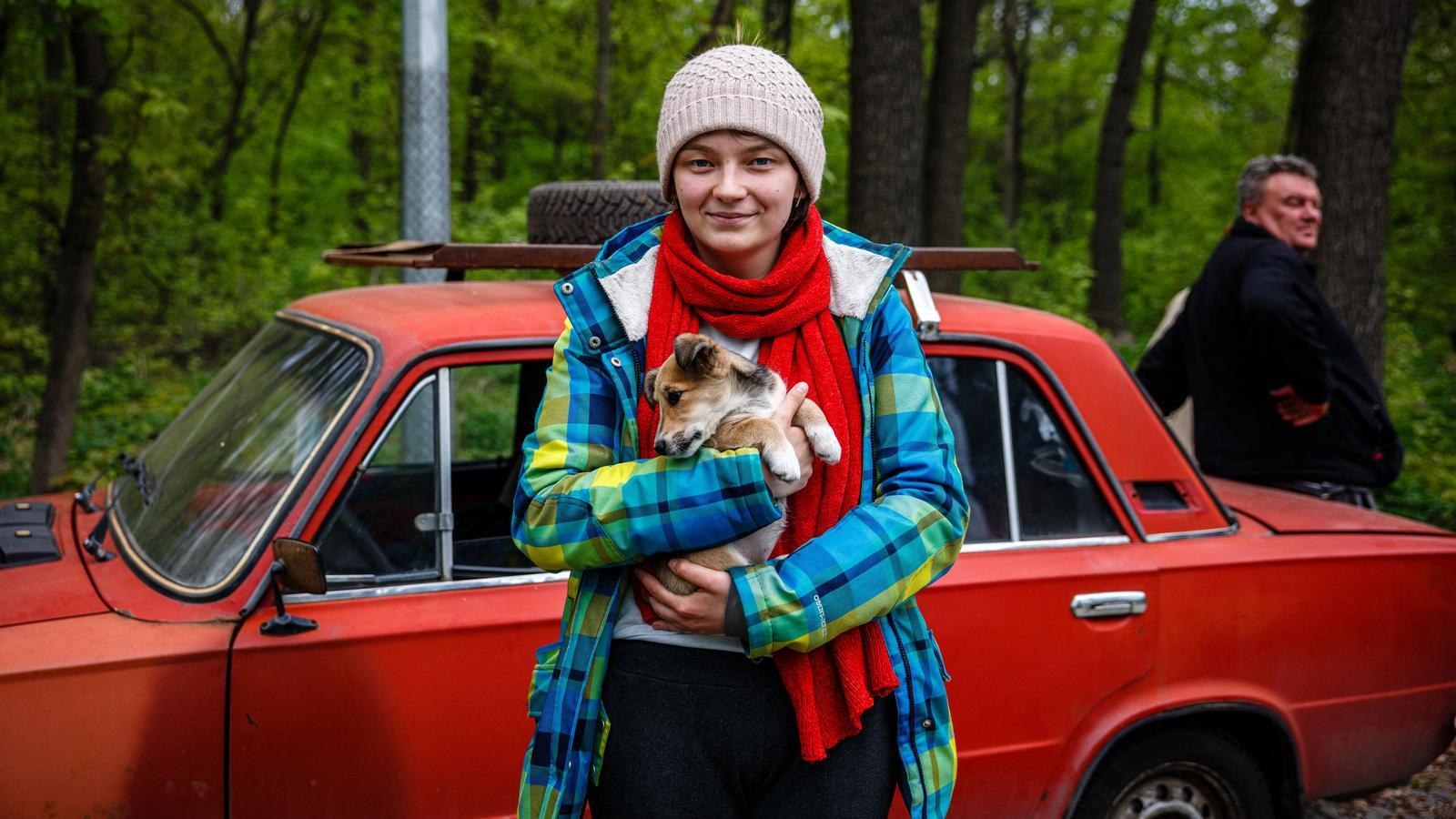
BarcelonaUkraine continues to resist the Russian invasion not only with its army, but also with a network of citizen initiative organizations that deal with all kinds of daily problems and are supported by volunteers without any kind of protection. After almost five years of war, this network is at the limit of its strength. This is confirmed by a report that the NGO Novact presented this Thursday to the Parliament of Catalonia. The report has followed 200 civil initiatives in the country between February 2022 and June 2026 and includes 105 interviews with community leaders, institutions, and local organizations. Civil society has taken on the coordination of emergencies, evacuations, and emergency repairs, particularly in areas under occupation or near the front line, in the west of the country.
One of the main conclusions is that the massive mobilization of 2022 was not spontaneous: it relied on a civic fabric built long before the war, upon which Ukrainian civil resistance movements have developed. "Democratic resilience is not improvised when the crisis arrives, but is built beforehand, and this is one of the most important lessons that Europe should draw from Ukraine," stated the author of the report, Felip Daza.
Volunteering is the civil society institution that generates the most trust in Ukraine, with 81% support according to opinion polls, only behind the armed forces, according to the Kyiv International Institute of Sociology. Volunteering that operates without compensation for risk or insurance, and that also takes care of people's care, a task that is mostly feminized. Sasha Romantsova, director of the Center for Civil Liberties, which was awarded the 2022 Nobel Peace Prize, has warned in the presentation of the report to different parliamentary groups that Ukrainian civil society "is sustaining many of the needs that the state does not reach, but it does so without enough protection." For this reason, she argues that Europe cannot take the resistance capacity of volunteers for granted and that their protection and support must be strengthened.
The other weak point is local media. According to data from the Media Development Foundation collected in the report, only 11% of the 1,434 Ukrainian media outlets analyzed meet editorial independence criteria, and the withdrawal of funds from the US cooperation agency USAID in 2025, which had reached nearly 80% of Ukrainian media, has worsened the crisis. According to the director of Detector Media, Vadim Miskii, cited in the report, many populations in front-line areas have been left without a solid information infrastructure, which opens the door to Russian propaganda and disinformation.
The report proposes, among other measures, funding permanent civic infrastructure before crises, jointly training institutions and civil society, protecting volunteers operating in high-risk areas, and incorporating new community leaders into decision-making spaces. It also warns that self-organization does not automatically translate into political influence: the 2024 Ukrainian participation laws mandate consultation, but do not specify with whom.
The report includes a database of 200 Ukrainian civil society initiatives that can be consulted at the Observatory of Democratic Resilience and Resistance (ODR2), which collects more than 450 documented actions, classified into two categories: non-violent civil resistance and social resilience.

