The danger of homemade mayonnaise and the lack of taste of industrial
Raw eggs are sensitive to microbiological contamination, which worsens in summer, and for this reason industrial mayonnaise, which uses pasteurized eggs, is safe
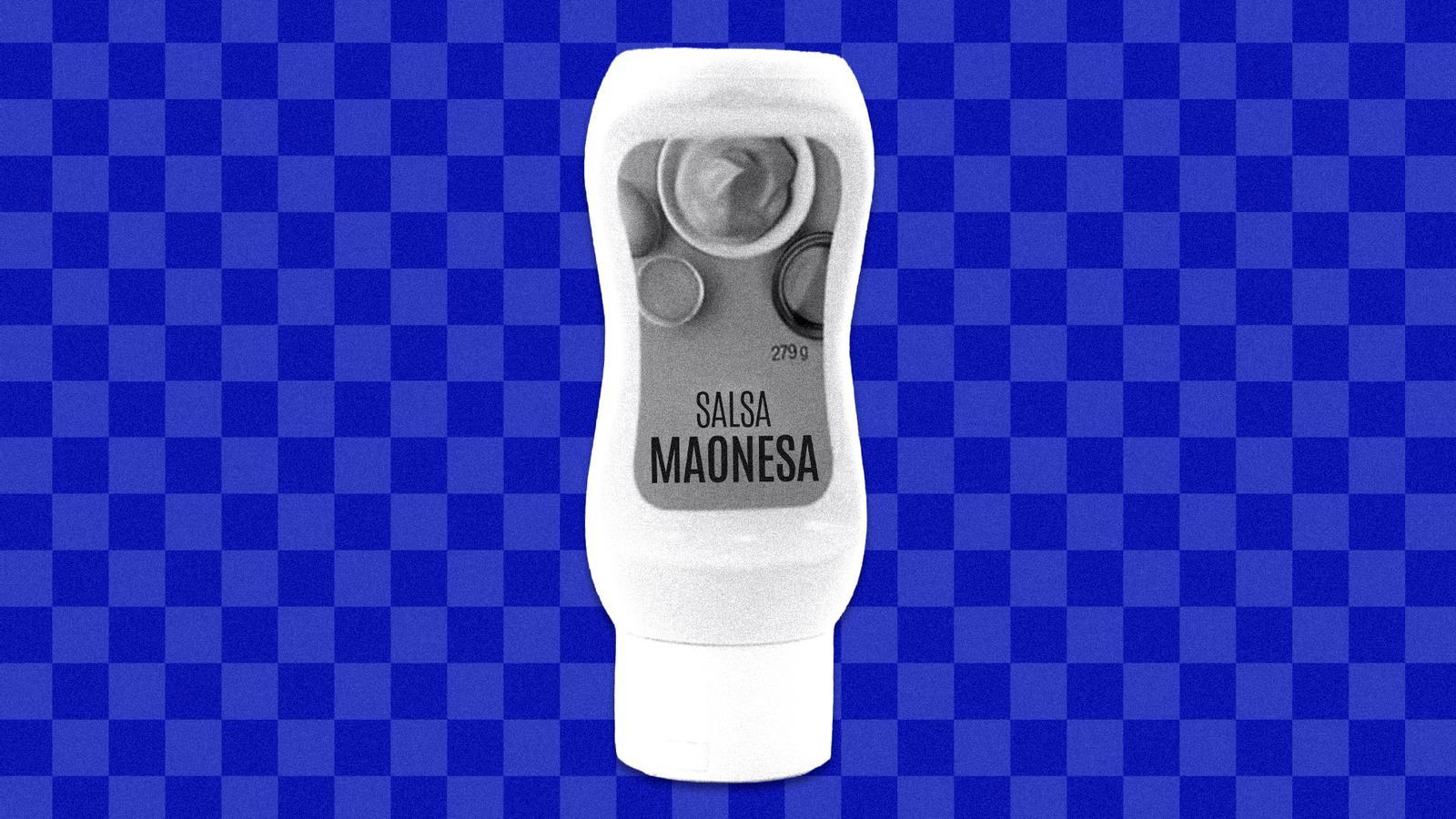

Mayonnaise, the Minorcan emulsion that the French have claimed for years they invented, is easy to prepare at home: it is made with olive oil, egg, lemon, and a pinch of salt. Current nutrition views it favorably because it is considered that mayonnaise provides the body with healthy fats and a small amount of protein from the egg. The problem, as everyone knows, is that "it is sensitive to microbiological contamination.” “The raw egg can contain bacteria such as salmonella," state dietitians-nutritionists Anna Costa and Anna Grífols. And all this is aggravated in summer, with high temperatures. So, what do we do? If we want to eat a Russian salad with mayonnaise, how do we go about it? On the supermarket shelves there are a thousand and one jars; are they good?“Paradoxically, from a microbiological point of view industrial mayonnaise is usually much safer than homemade,” says Anna Grífols. The industry uses pasteurized eggs, the sauce undergoes strict acidity controls and also elaboration processes that minimize the risk of salmonellosis. However, industrial mayonnaise is made up of ingredients that we would not use at home: refined sunflower oil (at home we would use olive oil), sugars and additives. “There are industrial mayonnaises that even incorporate oils of worse nutritional quality, or quite a few technological ingredients,” points out Grífols.The industrial, more than four ingredients
If we take a jar of industrial mayonnaise, we will find that the list of ingredients is more extensive than the four we have mentioned. Placed in order according to quantity, we will find refined sunflower oil, water, pasteurized egg yolk, lemon juice or vinegar, sugar, spices, salt, and stabilizers such as xanthan gum. It is an industrial product, therefore, which imitates a simple preparation, and which is safe because the egg is pasteurized. But beware, “because it is safe straight from the factory but when we open it and, therefore, air enters, it must be consumed quickly and kept cold, because microorganisms can also enter that spoil it,” points out the dietitian-nutritionist Anna Costa.So, the paradox of industrial mayonnaise is that it assures us of food safety parameters but we lose many others in terms of flavor and tradition, to the point where a simple recipe with four ingredients becomes ultra-processed. At this point, we recommend you make it at home with all precautions and eat it immediately. We advise you to use fresh eggs, with intact shells. Do not wash them, because the bacteria on the eggshells could penetrate inside. Wash your hands and also the tools with which you will prepare the mayonnaise. Add lemon or vinegar, because both act as acidifiers. Prepare a small amount; basically what you will eat. If you have any left over, store it immediately in the refrigerator between 2 and 4 degrees Celsius. Do not keep it at room temperature. And eat it by the next day at the latest, no later.

