Trump's shipwreck in Iran

-
CAT -
CAST
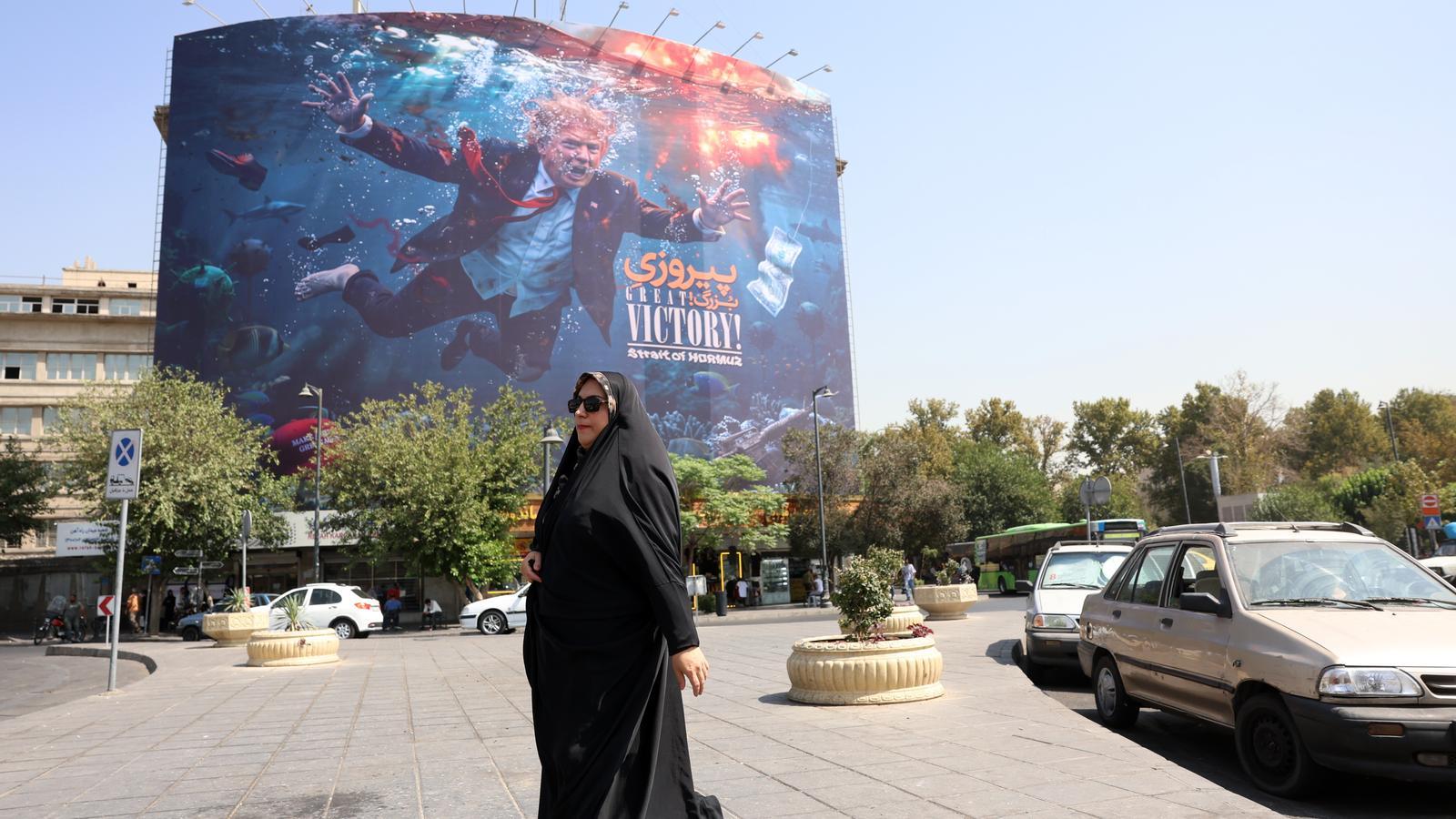
BarcelonaSix months ago, the President of the United States, Donald Trump, announced a military operation against Iran that was to last a maximum of six weeks. The start was spectacular, with the assassination of Supreme Leader Ali Khamenei and his family, and of several top officials of the Iranian armed forces and their intelligence services. This beginning even led Trump to predict that the six weeks would not need to be exhausted, that everything would end sooner. Six months later, the outlook for Washington is bleak. The war has not only not ended, but has also become a major headache, a diplomatic, military, and economic labyrinth from which no exit is foreseen other than a humiliating acceptance of defeat.
Iran has done enough by resisting, counterattacking, and, above all, blocking the Strait of Hormuz to hold the reins and force the United States to stop the bombings. Once it was seen that American military and technological superiority did not translate into a victory on the ground, Washington had to change its strategy and opt for economic strangulation. But that is not working either. The reason is that to significantly damage the Iranian economy, the collaboration of China, which is the country's main oil buyer, would be necessary, and right now no one wants a trade war between the two great superpowers of the planet.
Thus, Trump has seen how the war has driven up the costs of oil and fertilizers, causing an increase in prices in the United States that is particularly affecting his electoral base, as his main campaign promise was precisely that with him everything would be cheaper. The problem is that this inflationary spiral affects not only the United States, but also the entire planet.
A little more than two months before the midterm elections, panic has seized the Republican ranks, who fear losing control of the House of Representatives and, pay attention, now also a Senate where the pro-Trump majority seemed indestructible. Polls show that Republican voters are deeply divided over the war and only the most fanatical members of the MAGA movement still believe in their leader.
However, beyond the specific electoral result in November, this war is changing, perhaps forever, the map of alliances in the region. The Gulf countries have firsthand experience that their theoretical ally, the United States, is not in a position to protect them with 100% effectiveness from Iranian missile attacks, and they are now seeking alternatives, which involve getting closer to other regional powers, such as Turkey or Pakistan. The figure of Benjamin Netanyahu, the great instigator of the war, is also being weakened. Unfortunately, the failure of the war has also strengthened the theocratic regime of the ayatollahs, now led by Khamenei's son, which has already begun to increase internal repression. All of this has led to a geopolitical disaster that Trump was warned about but preferred to ignore.
