From Brexit to Breturn: the United Kingdom amends its great mistake

-
CAT -
CAST
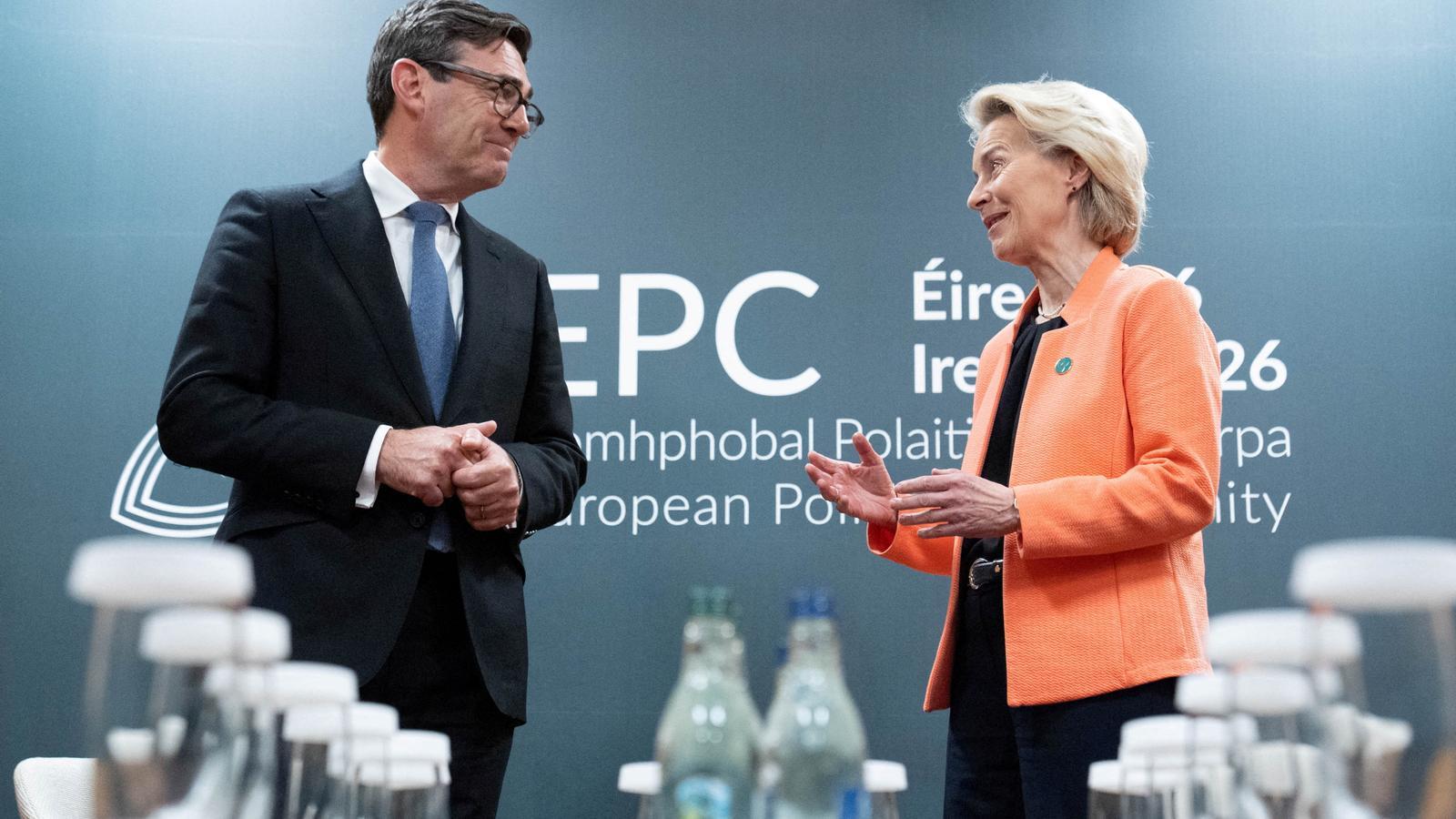
BarcelonaLittle by little, the United Kingdom is undoing the path it started with Brexit, and this Friday London will sign agreements with Brussels to eliminate trade barriers and facilitate the mobility of students. The new Prime Minister, Andy Burnham, has been the most explicit leader in explaining to his fellow citizens that that decision was a mistake that has proven very costly in economic terms and that it is necessary to move closer to the EU again. It is what is now known as Breturn, in opposition to Brexit.
This Monday, he insisted on this at one of the most solemn and formal events of the British institutional calendar, the so-called “Lord Mayor's Banquet” – the financial district – where traditionally the Prime Minister gives a speech on foreign policy. And he did so by using a very graphic image, that of the Hans Christian Andersen tale The Emperor's New Clothes. “[Brexit] is like the tale of the emperor's new clothes: no one dares to tell a truth that is evident. Well, I call things as I see them. And, frankly, the emperor is naked,” he said.
Indeed, for years now, studies by the main economic bodies and British universities have estimated the loss of GDP for the United Kingdom caused by the departure from the European space and the re-establishment of trade barriers and tariffs to be between 4% and 8%. The promise to reduce immigration, which was the banner of Nigel Farage's far-right, has not worked either. The only thing that has been achieved is to change its origin. With Brexit, immigration of European origin (basically from Eastern countries) collapsed and that from other origins increased. Like the rest of Europe, Great Britain needs labor in key sectors that its own demographics cannot provide.
For the European Union, the confirmation of the failure of Brexit is great news, because it gives more meaning than ever to the common European project. A scenario in which Great Britain had come out a winner from Brexit would have been lethal for the EU. But reality is what it is. In a world of great superpowers, such as the United States and China, or of large economic areas like Mercosur, Great Britain is too small to reach beneficial trade agreements. Furthermore, as has been demonstrated, leaving the European market has made both exports to its former partners and imports of European products more expensive. In short, anti-European and anti-immigration demagoguery has turned out to be a ruinous business for the British.
From this point of view, we must be grateful for Burnham's honesty and courage, who unlike his predecessor, Keir Starmer, and previous Labour leaders, such as Jeremy Corbyn, is being capable of speaking clearly to the public. Perhaps that is why the polls are now in his favor, when only a few months ago they were smiling upon the far right of Reform UK, the party, precisely, of the person mainly responsible for Brexit, Nigel Farage.
