Housing places the legislature at the abyss

-
CAT -
CAST
BarcelonaHousing is undoubtedly the great problem of today's society, and there is no magic solution, nor, above all, a quick one. However, there are two elements that are certain: the first is that families are forced to allocate an increasingly larger portion of their income to it, especially if they are renting. And the second is that this excessive economic effort causes many people, when suffering any circumstance that leads to a drop in income – such as job loss or a health problem – to be unable to afford the mortgage or rent payment. Becoming a vulnerable person is not that difficult in today's world, and its bitterest face is evictions.
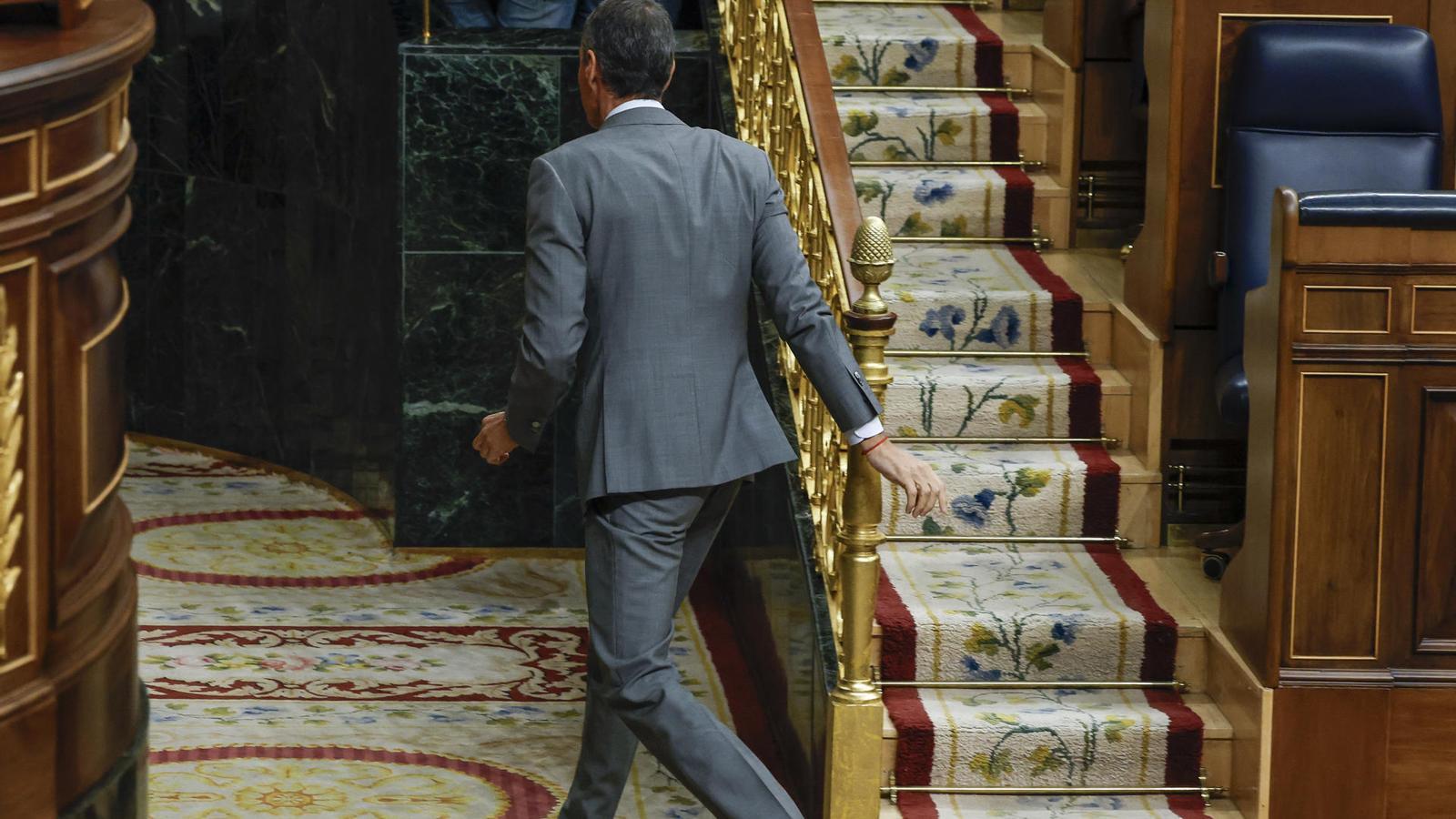
On September 7, a 54-year-old woman from L'Hospitalet, Olga, committed suicide and left behind two daughters, one of whom is a minor. She had been kicked out of her home five months earlier. In Madrid, the eviction of an 87-year-old woman, Maricarmen Abascal, who was thrown out of the apartment where she had lived all her life, caused a wave of indignation that sparked the event that took place this Friday in Congress. But the truth is that for many months now, at least since the repeal of the previous ban on evictions in April, the trickle of cases has been ongoing. The Minister of Housing, Isabel Rodríguez, negotiated with the different groups – some especially ideologically distant – to be able to present a decree law with consensus measures to try to respond to a situation that, in the first place, is humanitarian. The more radical measures, which were defended by Sumar and Podemos, were placed in a second decree that was already known not to go forward. But the first decree, with all its shortcomings, was necessary to stop the drama of evictions.
The text included contributions from Junts, such as the obligation for administrations to compensate owners who are victims of non-payment, as well as tax benefits for both owners and tenants. In any case, it was a beginning that could have been refined further during the parliamentary process, as the minister proposed. The counter-proposal presented by Miriam Nogueras's group was not so far from the decree as to blow everything up and align with the PP and Vox in the vote. In this sense, the position of the PNV, which announced a critical yes to the decree, is much more understandable for a party that wants to show moderation.
The legislature is now entering a phase that, if not terminal, very much resembles it, and this is not good news for Catalonia either, considering what type of Spanish government the polls are depicting. Citizen tension does not seem likely to diminish in the coming days, and this Saturday the streets will gauge the extent of the discontent. The ideal would be a state pact on this issue, an intermediate point between the more liberal and the more interventionist vision, but that currently seems like a utopia.
