Maritime trade stagnates due to conflicts and can increase the cost of living
The price increase will affect the poorest countries more
-
CAT -
CAST
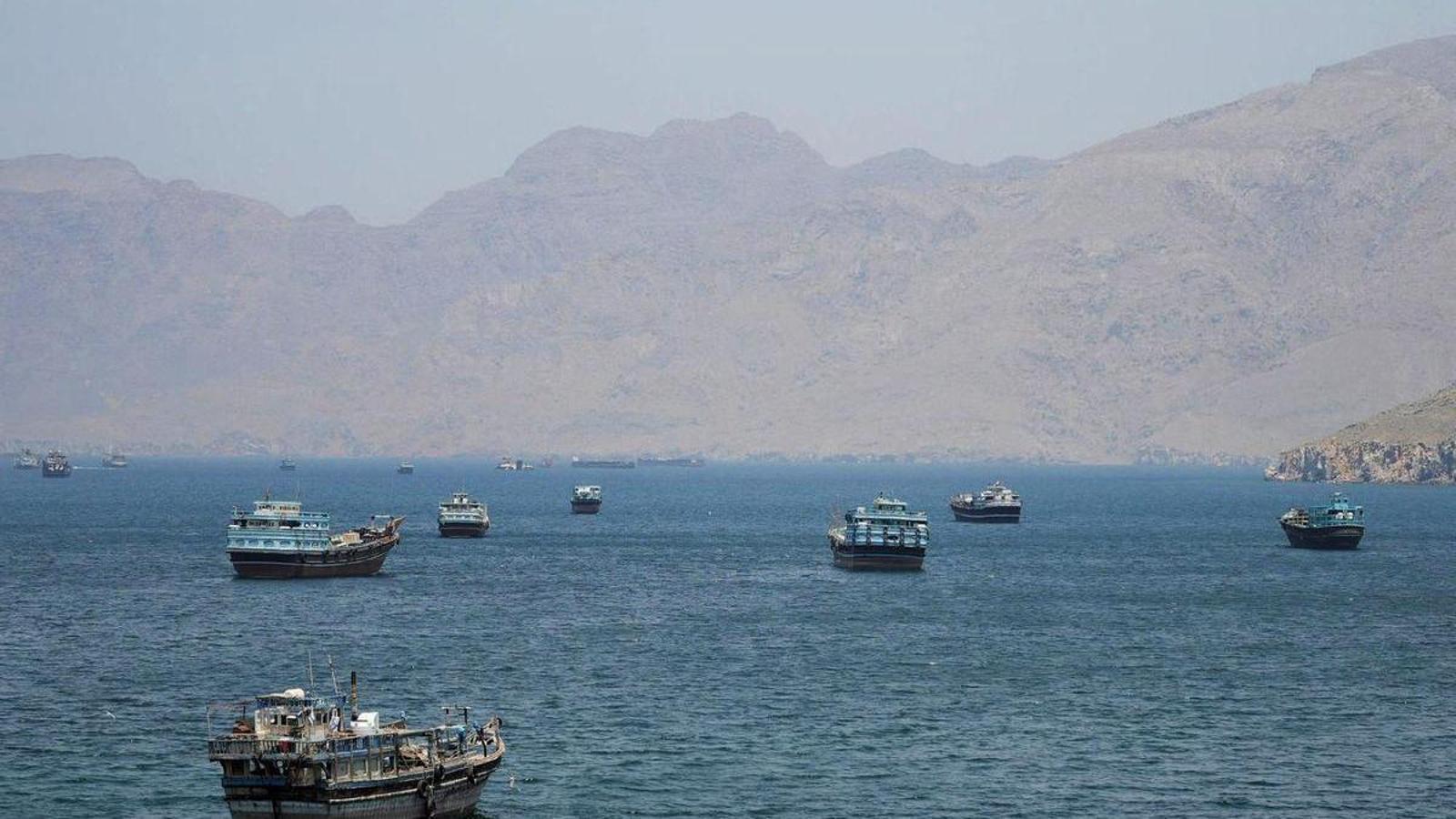
BarcelonaArmed conflicts in some of the world's main shipping routes and strategic transit points, such as the Strait of Hormuz, have caused a stagnation in maritime trade, which if it continues could increase the cost of living worldwide, according to the analysis published this Thursday by UNCTAD, the United Nations trade body.
The risks on these routes and passages force ships to take longer routes, which prolongs transit times, increases fuel costs, causes port congestion, and makes the scenario facing this industry uncertain. “Alternative ports, land transport networks, and logistics solutions have helped keep trade moving, albeit at a higher cost,” notes the analysis, which forecasts zero growth this year in international maritime transport, compared to a 1.9% increase in 2024 and 3.9% the previous year.
UNCTAD Acting Secretary-General Pedro Moreno maintains that “resilience cannot simply be based on seeking alternative routes every time a crisis occurs,” as he stated at a press conference, and defended the need for “better preparation, stronger international cooperation, predictable standards, and investments in the future of the global fleet,” 42% of which is over twenty years old.
Likewise, he revealed that simulations carried out by the organization show that if this year's fuel price crisis persists until 2027, the mere increase in maritime transport costs could cause consumer prices in the least developed countries to double compared to the global average increase. The geopolitical situation, in which conflicts in the Middle East, Iran, and Ukraine have a direct impact on the maritime corridors of the Strait of Hormuz, the Red Sea, the Suez Canal, and the Black Sea, has generated volatility in freight rates, which have doubled between January and August of this year. This puts supply chains under pressure, particularly in developing countries, because it affects production costs and the availability of essential imports.
Compromised corridors
UNCTAD confirms in its analysis that the conflict in the Middle East, which began with the attacks by the United States and Israel against Iran last February, has drastically reduced traffic through the Strait of Hormuz, through which a fifth of the world's supply of oil and other strategic raw materials, including fertilizers, used to pass. Before the disruptions, around 120 ships crossed the strait every day. By early March, traffic (measured in gross tonnage) had decreased by approximately 95%. In monthly figures, transits through Hormuz ranged between 3,500 and 4,000 ships from the beginning of 2024 until the start of the armed conflict and, according to September figures collected by UNCTAD, they are now around 500 vessels.
On the other hand, instability in the Red Sea has forced many ships to use the longer route around the Cape of Good Hope (in Africa), although the problems this implies have caused some liner operators to return to the first corridor. For its part, grain shipments through the Black Sea remain exposed to security risks, while restrictions and changes in traffic flows have affected Panama Canal operations, the analysis maintains.
These disruptions have affected the trade of oil and gas, fertilizers, and industrial inputs, such as petrochemicals and aluminum, over the last few months. Some of the most affected are countries that depend on food and energy imports, as rates for oil tankers transporting crude reached historic highs on some routes.
However, the entire global population could potentially suffer the impact of this whole situation: UNCTAD estimates that a sustained increase of 70% to 80% in maritime fuel costs, compared to pre-February levels, would raise consumer prices by 0.19% globally, by 0.27% in small island developing states, and by 35% in the poorest countries.
