Fishermen do not find groupers on the Catalan coast
The lack of catches has forced the 26 Catalan purse seine boats to close at the end of June, despite having permission to fish until December

-
CAT -
CAST
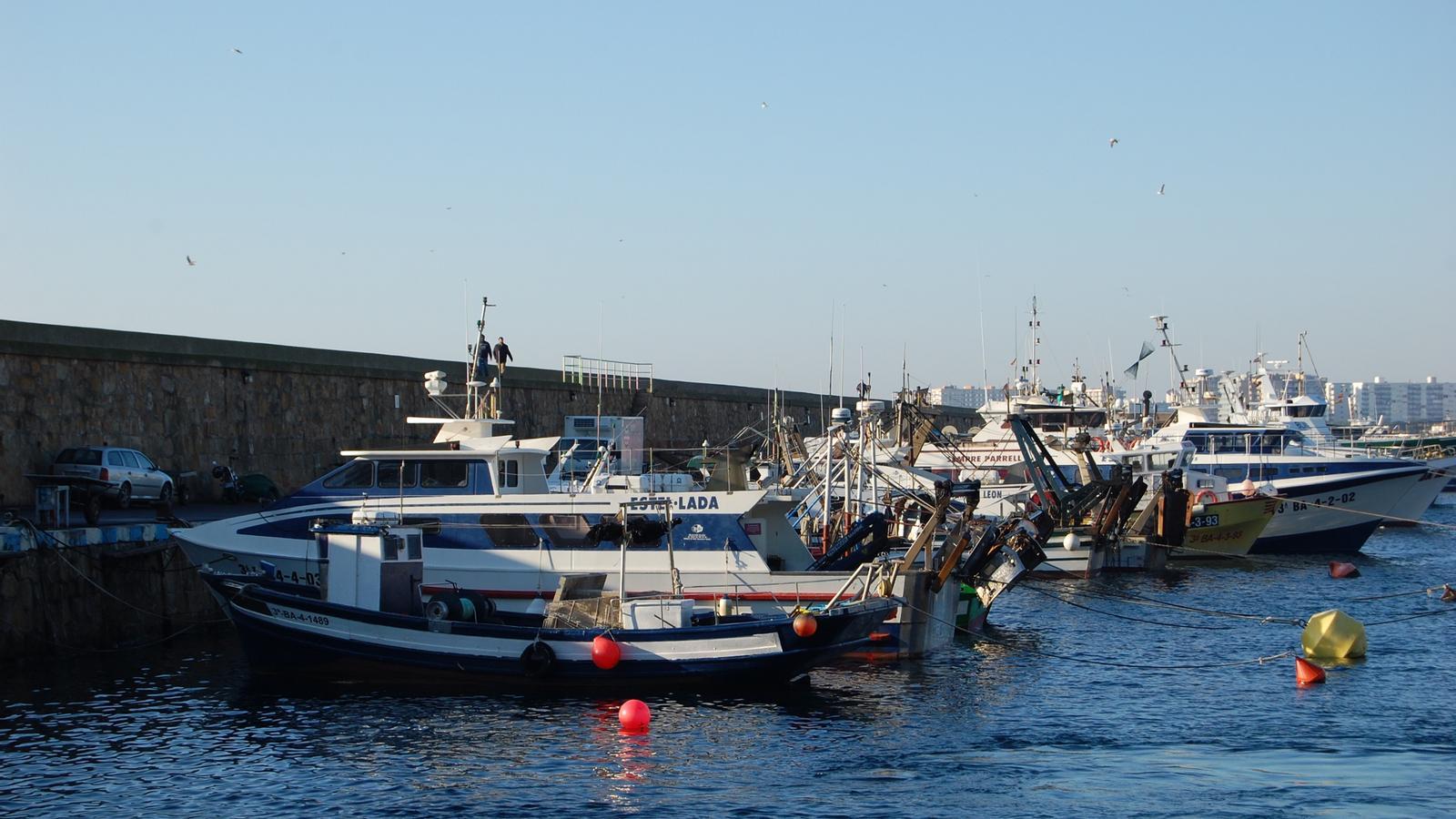
GironaThis summer, on the counters of Catalan fishmongers, one of the most prized fish of this time of year is missing. It is the sonso, a very small fish, about 10 centimeters long, which is fished from the end of winter until autumn. This year, however, the 26 boats of Catalan sonso fishermen have barely found any catches and, in the last week of June, they already declared the season over. They have moored the boats because it was not profitable to set sail every morning and they hope to resume activity next year, expecting the situation to improve.
According to the management plan regulations, the fishing campaign for this species lasts nine months, with a closed season from December 15 to March 1, to allow the young to grow, but this year the fishermen, who go out every other week, have only been able to fish for four months and have closed down much earlier than expected.
Toni Navarro, representative of the sonso fishermen in the Girona region and a fisherman from Blanes, explains that, in the spring, he still found sonsos in his area. Then, very surprisingly, there were only some left in Platja d’Aro and all the fishermen would travel to that spot. "This year at least we were lucky that there were a lot in Platja d'Aro, and that's not normal. But then we all went there and it was over, also because they put up swimming buoys for safety and we could no longer access some areas where there were still some," explains the fisherman. In the first months, he was able to catch up to 30 kilos on each trip, spaced out in time, but now he has had his boat in port for a long time and dedicates himself to fishing for Olympic tuna to earn a living.
The sonso fishermen use a unique technique, halfway between encircling and trawling, and, like Navarro, during the months when the boat is moored, they have had to reinvent themselves. However, they assure that it is not easy to have to dedicate themselves to another specialty for part of the year, as each gear requires knowledge about when and where to fish and, moreover, specific tools are needed that require investment and maintenance.
Human pollution
Given the current scenario, it is still too early to make assessments about the causes of scarcity. The fishermen, in the middle of the summer season, have not yet met with representatives of the Department of Agriculture, Livestock, Fisheries and Food, responsible for the management plan that establishes fishing seasons and studies on the species.
For now, fishermen in the sector point out that the situation is the consequence of the sum of many factors, but, apart from the rise in sea temperature or fishing pressure, they place the lack of food in the coastal strip, in the first two miles, where the 'sonso' lives, as the central cause, due to human impact.
"All the water from the mountains ends up in the sea, and so do all the waste products. And, although there are treatment plants, they are not capable of removing chemical substances such as anabolic steroids, drugs, antibiotics, or cleaning products. And all this impacts the zooplankton, phytoplankton, crustaceans, and larvae of the food chain, especially in this first strip of the sea," argues Javier Pulido, president of the fishermen of Catalonia and a fisherman from Arenys de Mar.
He adds: "The treatment plants, on the other hand, are capable of removing biomass of organic matter, which means that the animals do not have this substrate to feed on. That is why the 'sonsos' are getting smaller and scarcer, because they lack food to maintain the population, just like with crabs and mussels, which live in this same coastal strip." Furthermore, the rivers, which also contribute sediments that enrich the biodiversity of the seabed, are also flowing with less water each time. "Before, the waters were not so transparent and crystalline, they were murkier, but there were many more fish. Now the criteria are more focused on making the sea more suitable for tourists to swim in than for the ecosystem of the fishermen," Pulido concludes.

Freeze the sonso, the only solution for restaurants
In L'Estartit, for three years now, in May, the "Jornades del Sonso" (Sonso Festival) are held, involving fishermen and restaurants, to promote the product with a very good public reception. Months later, given the lack of specimens in the sea, Joan Massagué, skipper of the town's guild, points to the free movement of fishermen along the entire Catalan coast as one of the issues hindering the survival of endangered species: "The sea is like a small garden: if you have your own and plant a tomato plant, you watch it grow, you water it, and you wait for it to be fully ripe to harvest it. But if you plant it in a shared garden, someone can always pick it green before you do," describes Massagué.
In some restaurants in L'Estartit and the surrounding Costa Brava area, accustomed to serving floured and fried sonsos (alone or accompanied by fried eggs or truffle), they still have the dishes on the menu despite the truncated end of the season, as they work with frozen product from a few months ago. Establishments place large orders when there is good quality produce, and with very efficient freezing systems, they keep the product very fresh in perfect condition. Nevertheless, if catches do not pick up next year, no matter how much the fish can be frozen to extend the season, the gastronomic offer will inevitably be affected.

