Catalonia, the spearhead of electromobility in the State
Plug-in and pure electric hybrids gain more market share than in the state as a whole

-
CAT -
CAST
BarcelonaCatalonia is becoming the spearhead of electromobility in Spain. In the Principality, a higher proportion of plug-in cars are registered than in Spain as a whole. In addition, there are two manufacturers that have focused on making plug-in hybrid and electric cars. And it is, by far, the community with the most public access charging points for electric cars.
Registration data up to July provided by manufacturers and dealers show that in Catalonia more than 26% of the cars sold are electrified, whether they are plug-in hybrids or pure electrics. A proportion that in Spain as a whole barely reaches 22%. In fact, in Catalonia, plug-in hybrids have a share of 11.7% of cars sold, and pure electrics, 14.4%.
In Spain as a whole, electrified cars account for 22.19% of new registrations, almost four points less than in Catalonia. Plug-in hybrids account for 12.33% of new registrations, while pure electrics account for 9.86% of the total. That is, in Spain as a whole, plug-in hybrids have a higher market share than pure electrics, while in Catalonia it is the other way around.
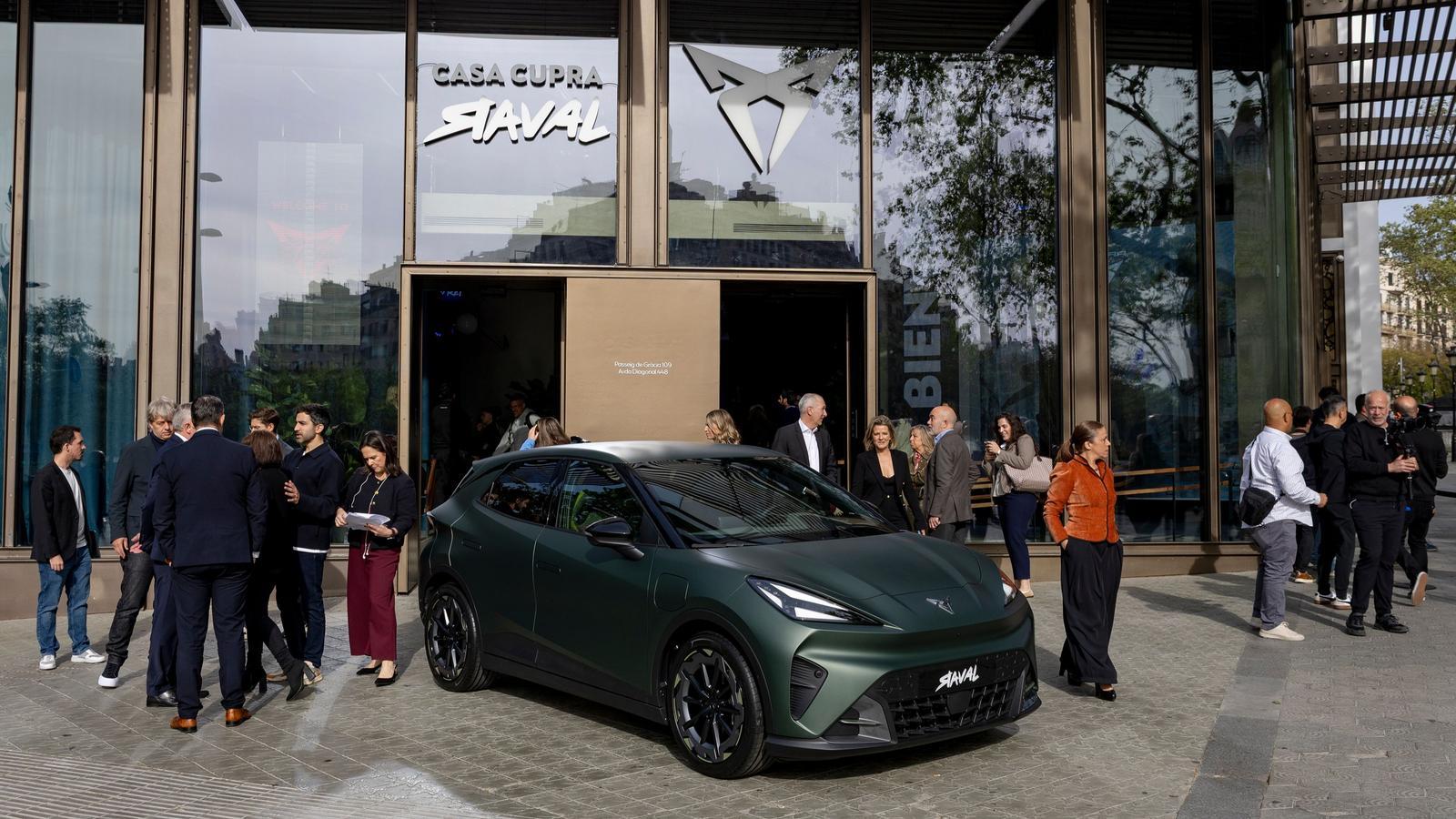
But Catalonia not only surpasses Spain in the share of electrified cars. The Principality also has two manufacturers that have successfully focused on electric cars – Seat and Ebro. In fact, Seat sources highlight that the purchase orders for the first 100% electric cars being manufactured at the Martorell plant – the Cupra Raval and the Volkswagen ID Polo exceed their best forecasts. Seat has started manufacturing 100% electric cars after an investment of over 300 million euros in Martorell.
Ebro, for its part, has announced that it will begin manufacturing a 100% electric car at its Zona Franca plant at the end of the year. Meanwhile, it already manufactures plug-in hybrid models and, despite the still short track record of this new phase of the historic brand, sales are improving beyond expectations. The Zona Franca brand closed July with 2,511 registrations and a market share of 2.46%, while in the year-to-date cumulative it has already sold 16,450 cars with a share of 2.2%.
Charging points are key to the penetration of electric cars. According to data from the manufacturers' association Anfac, Catalonia is the community with the most public access points, specifically 11,888, which represents more than 21.5% of the total for the entire State. The second community with the most charging points is Madrid, with 8,238.
Aid to the sector
The Minister of Business and Labor, Miquel Sàmper, has highlighted Catalonia's effort in its commitment to electromobility. "Catalonia is decisively moving towards more sustainable, competitive mobility aligned with European objectives," he indicated this Thursday, adding: "Every new electrified vehicle registered is also a commitment to Catalan industry, innovation, and the generation of quality employment in our country".
Sàmper recalled that the Generalitat has launched PIVECat, which "is the instrument that allows us to advance in the context of transformation that the automotive sector in Europe is experiencing". A plan that has mobilized 100 million euros in aid for vehicle demand and has accompanied 300 companies in transformation processes, according to data from the Generalitat. Furthermore, the commitment to electric cars has led to an estimated reduction of more than 100,000 tons of CO₂ annually.

