Is ‘The Director’ the film about journalism that was missing in Spanish cinema?
David Verdaguer embodies the director of 'El Mundo' who confronted issues like the false report about Xavier Trias
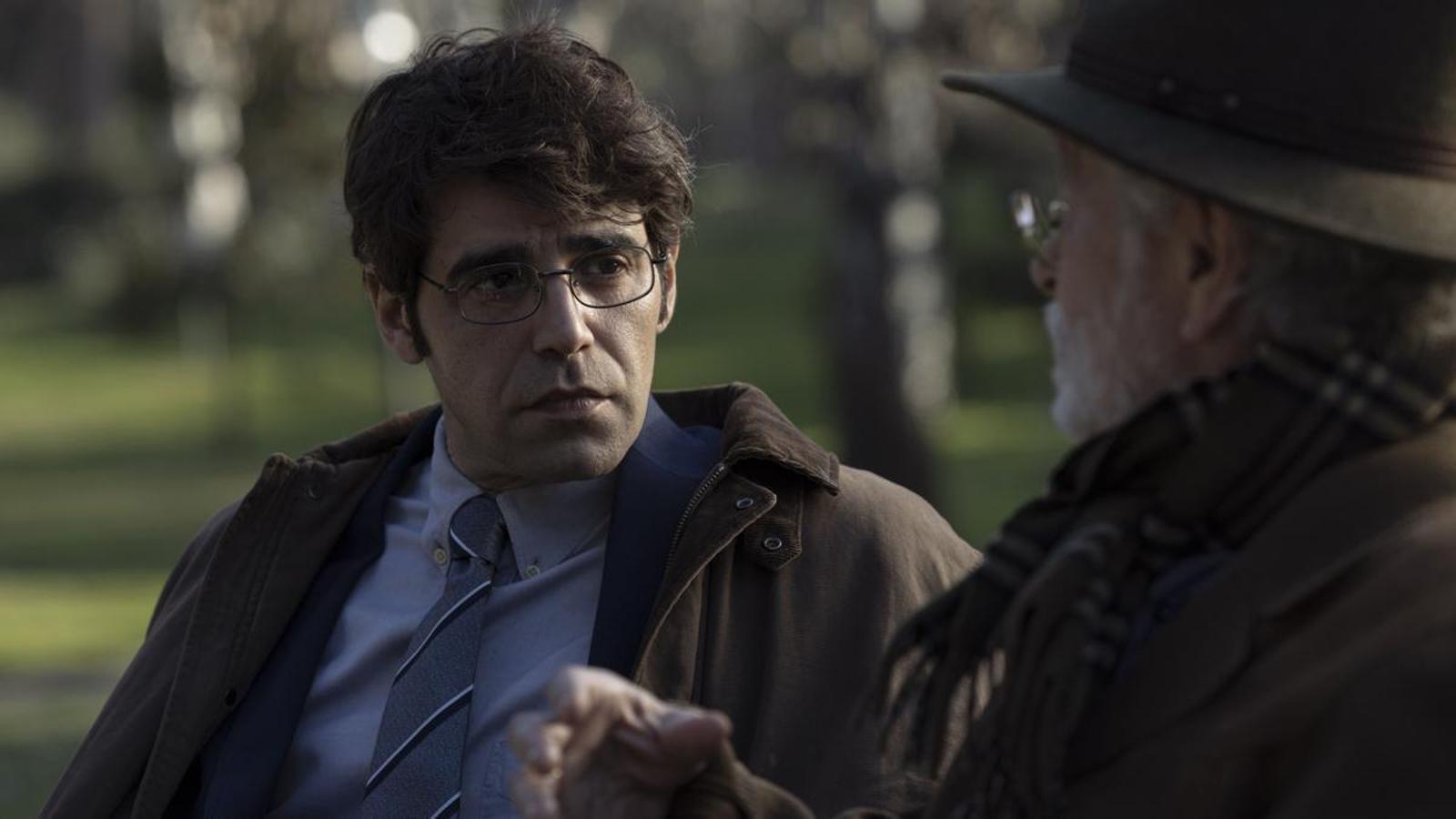
-
CAT -
CAST
- Director: Dani de la Orden. Screenplay: Michel Gaztambide and Alejandro Hernández based on the book by David Jiménez
- 115 minutes
- Spain (2026)
- With David Verdaguer, Alberto San Juan and Joan Carreras
In the documentary El cuarto poder (1970), Helena Lumbreras X-rayed the press of late-Francoist Spain to certify its servility to the regime, so that those who worked there acted more like civil servants than journalists. In democracy, independent newspapers were called upon to restore the original function of this fourth estate. In the book El director (2019), David Jiménez denounces how this vocation is ruined by a series of interests and circumstances, and by the inertia of the bond between the system and newspapers in Spain. Dani de la Orden brings to the cinema the text of the man who was editor of El Mundo with a somewhat misplaced result: we are facing a Catalan film (the accent of some performers is even noticeable) that wants to look North American about the Madrid press.
De la Orden thus aspires to fill the void in Spanish cinema of fiction about journalism, focusing on the contradictions of a newspaper that prided itself on its independence, but ends up establishing “agreements” with the “system” to maintain not the leadership, but survival. The film moderates the regret and self-complacency (Jiménez defending himself as a “journalist of race” against the rest of the “sellouts”) that permeates the book. But it also simplifies, through its tone—too obvious and naive—what should be a complex look at the links between journalism and the interests of the elites in the Spanish state.
