A D-Day drowned by violin and piano music
Andrew Scott plays in 'Victory Time' the meteorologist who has to convince Eisenhower to delay the Normandy Landings
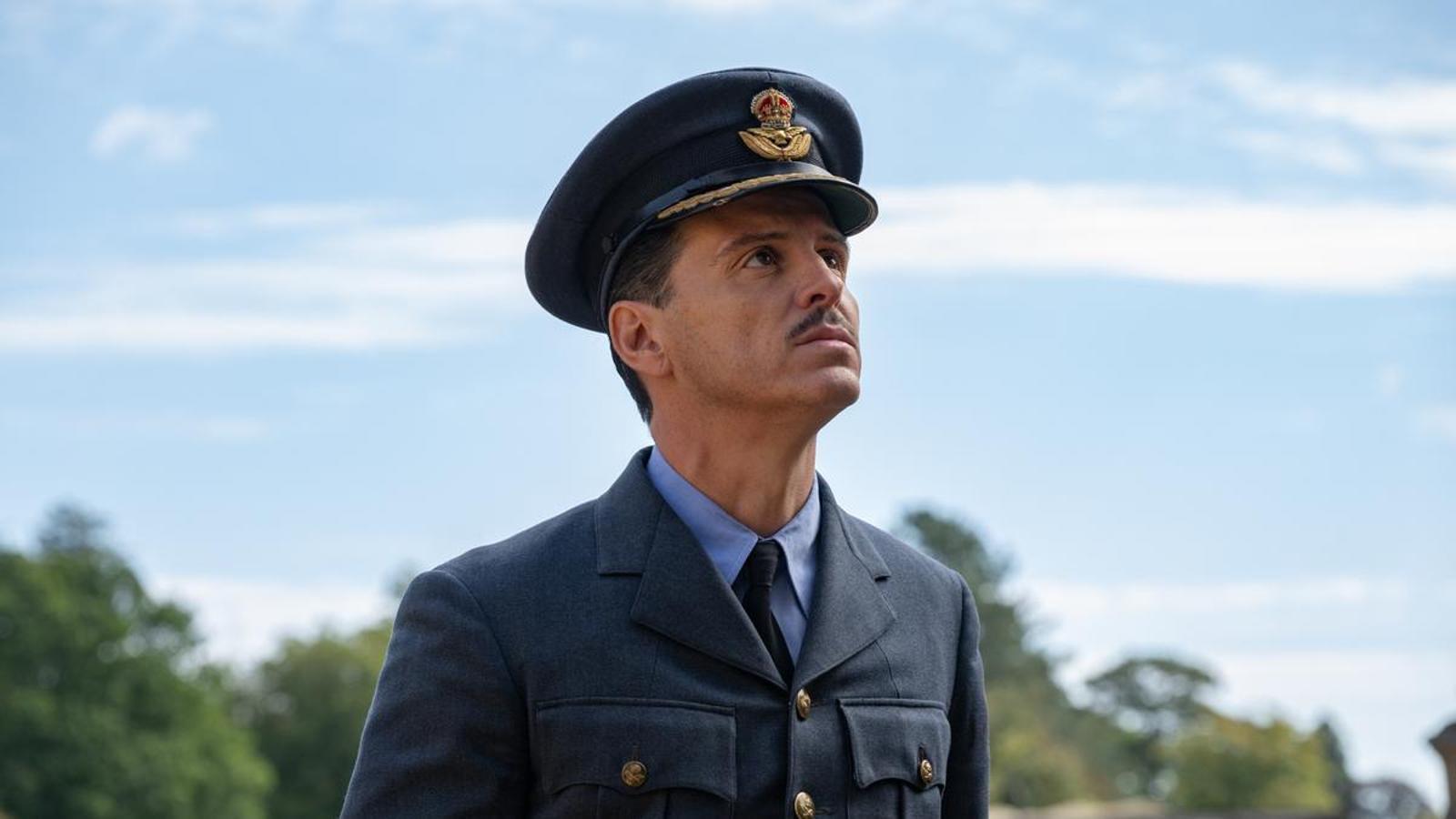
-
CAT -
CAST
- Director: Anthony Maras. Screenplay: David Haig and Anthony Maras based on the play by David Haig
- 100 minutes
- United Kingdom, France and United States (2026)
- With Andrew Scott, Brendan Fraser and Kerry Condon
Anthony Maras draws on a play by David Haig to stage the eve of the Normandy Landings that precipitated the end of the Second World War. The story is articulated around the decisive presence of James Stagg, the Scottish meteorologist who convinced General Eisenhower to delay D-Day from June 5 to June 6, 1944, thus avoiding a storm that could have radically changed the outcome of events.
At the beginning, Victory's Time announces that “this is a true story”. However, in what way can cinema make a historical episode exist? Maras decides to draw a line that starts from point A to reach point B, almost as if he were telling a myth. The character of Stagg, played with sobriety by the luminous Andrew Scott, sets the pace for a story in which there is no room for hesitation. Even when Scott hesitates, he does so in a calculated way, down to the last detail. How must Stagg have really doubted? With the superficiality of a television device, the film leads us through days that we will experience as if we were in an amusement park.
Maras insists on looking for different textures to film the soldiers sailing, as if he wanted to manufacture an archival effect. The images are drowned out by string instruments, pianos and violins, but we will never see the faces of those soldiers. They will remain anonymous. Even their death will be an artifice, a slow motion drowned by the solemnity of a banal horror.
